
Brand Identity vs Brand Image: The Complete 2026 Guide
Table of Contents
- Introduction
- Defining Brand Identity and Brand Image
- The 8 Key Elements of Modern Brand Identity
- Digital Brand Identity in the Metaverse Era
- Brand Image Evolution: From Controlled Messaging to Social Perception
- The Role of Influencer Marketing in Shaping Brand Image
- How to Align Brand Identity with Brand Image: A Strategic Framework
- 5-Step Process to Close the Brand Identity–Image Gap
- Business Benefits of Brand Alignment
- Conclusion
This guide serves as your key resource for grasping, assessing, and aligning your brand perception in the market.
Introduction
In the modern digital world, it’s crucial to grasp the distinction between brand identity and brand image. This understanding is key to fostering trust, enhancing customer relationships, and achieving sustainable business growth. Brand identity reflects how a business wants to be seen, while brand image reveals how customers genuinely view it. When these two elements are in sync, companies can create seamless experiences that build trust, nurture loyalty, and strengthen their presence in the market.
As customer expectations continue to shift, each interaction helps shape how a brand is perceived. According to Zendesk Benchmark Data, nearly 50% of consumers are ready to switch brands after one unsatisfactory experience, underscoring the need for businesses to provide consistent and meaningful experiences at every customer touchpoint.
Today, companies have remarkable opportunities to forge strong connections with their audiences. DataReportal estimates that India has around 500 million social media users, positioning digital platforms as powerful tools for engaging customers, sharing brand values, and cultivating lasting relationships.
This blog will delve into the crucial differences between brand identity and brand image, outline the importance of aligning them, and offer practical tips for creating a consistent, trustworthy, and memorable brand in our increasingly digital landscape.
Defining Brand Identity and Brand Image
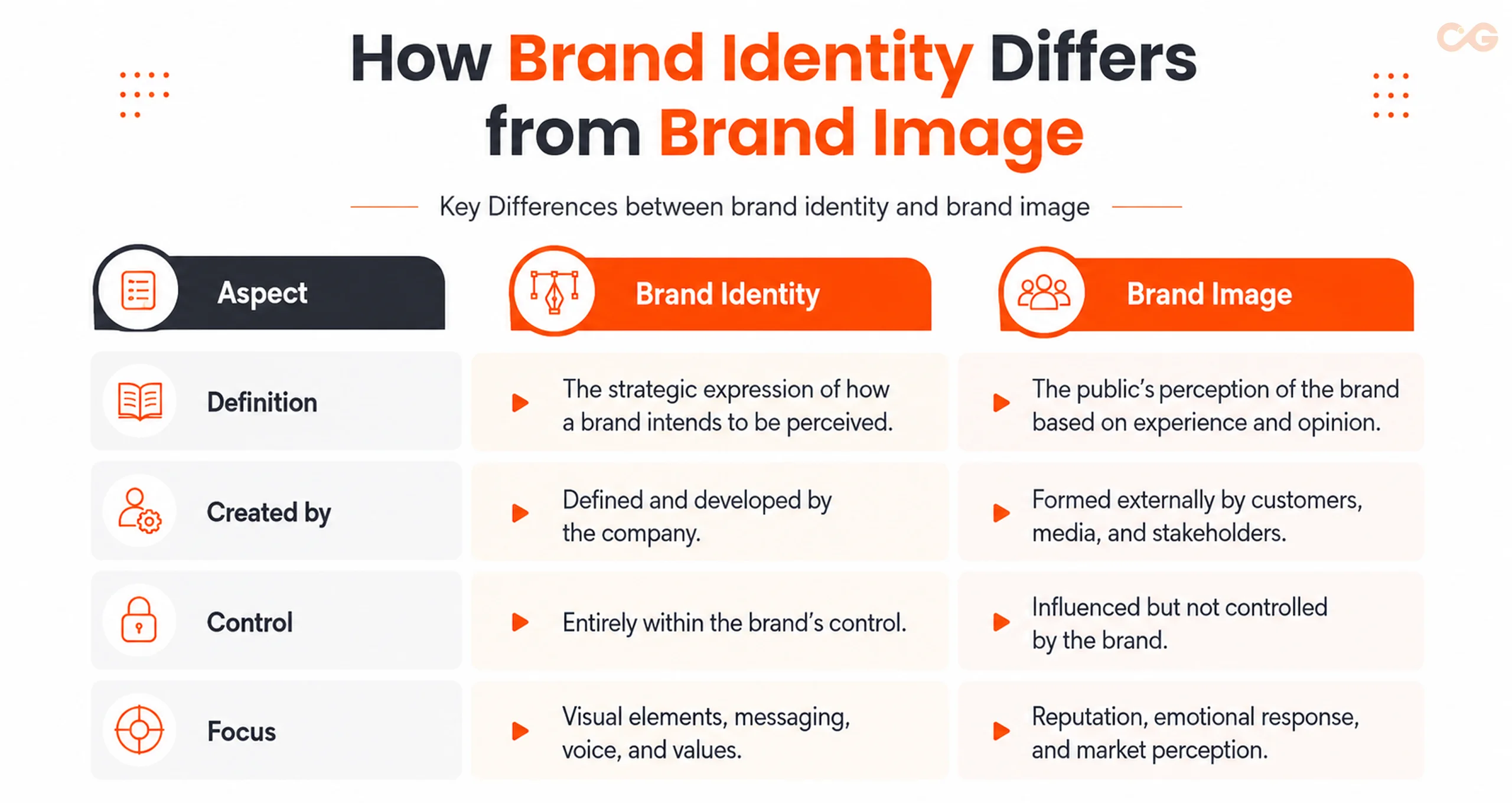
Brand identity and brand image are interconnected, but they represent different aspects of how a brand is created and perceived. Recognising this distinction is essential for building a strong, consistent, and memorable brand.
Brand identity serves as the core of your business. It includes elements like your logo, colour scheme, fonts, imagery, messaging, and overall visual and verbal style. These components express your values and personality, defining how you want your audience to identify your brand.
On the other hand, brand image reflects how customers perceive your brand based on their experiences. This perception goes beyond visuals; it encompasses product quality, customer service, online reviews, social media interactions, and all other customer touchpoints that shape opinions about your business.
In simple terms, brand identity is the image you intentionally create, while brand image is how your audience perceives it. A strong alignment between these two aspects fosters trust, enhances customer relationships, and builds long-term loyalty.
The 8 Key Elements of Modern Brand Identity
Branding has evolved beyond just visuals. Today, it encompasses a comprehensive approach that integrates strategy, user experience, values, and culture. Here are the eight essential components shaping brand identity in 2026:
1. Visual Identity System
A well-defined visual identity ensures immediate recognition and consistency. This includes the logo, variations, a carefully chosen colour palette based on psychology, a structured typography hierarchy, and imagery guidelines. Consistent colour usage can boost brand recognition by up to 80%, as per Winter and Simpson Print research.
2. Brand Voice and Messaging.
These capabilities allow video campaigns to move beyond passive viewing and encourage users to interact directly with the content.
3. Digital Brand Presence
Consistency across digital platforms defines modern brand experiences. Effective branding appears in responsive websites with optimised user experiences, cohesive themes on social media, well-designed email templates, and mobile app interfaces that reflect the brand’s design and functionality.
4. Brand Values and Purpose.
Purpose-driven branding is fundamental. Clear mission and vision statements align internal and external efforts. Implementing social responsibility initiatives, sustainable practices, and ethical stances fosters trust and connects emotionally with socially conscious audiences.
5. Customer Experience Standards.
Customer experience plays a vital role in differentiating a brand. This includes service quality metrics, designed interaction frameworks, tools for gathering feedback, and standardised procedures for resolving issues — all contributing to more consistent and improved customer outcomes.
Employees act as brand ambassadors. A strong internal culture, training aligned with brand values, and advocacy programs empower staff to authentically represent the brand in every customer interaction.
7. Product Service Design.
Your offerings define your brand. This encompasses packaging design, functionality, and consistent user interfaces that meet quality standards. Every product interaction should reinforce your brand promise.
8. Strategic Positioning.
Brand positioning differentiates you in the market. Identify unique attributes that set you apart from competitors, target the right audience, establish your market placement, and set prices that reflect perceived value and your brand promise.
Digital Brand Identity in the Metaverse Era
As digital platforms rapidly evolve, brands must adapt their identity formation and representation. With India’s digital population exceeding 1.03 billion, brands can no longer rely solely on web or mobile channels, according to DataReportal. They must engage in immersive, interactive, and AI-driven spaces.
Here are the key elements shaping digital brand identity today:
Immersive AR/VR Experiences
Brands need to create truly immersive experiences in the metaverse. This goes beyond simple visuals; it involves showcasing products in 3D, designing virtual stores, and crafting branded game environments. Every aspect — spatial design, avatar customisation, and interaction flows — should communicate the brand’s message and values. Companies must embrace this new storytelling language.
Voice Interface Identity
As voice technology becomes commonplace, brands must establish a distinctive sound, not just a visual identity. This includes developing a sonic logo, maintaining a consistent voice tone, and defining conversational traits. A strong voice identity ensures recognition across platforms like Alexa, Google Assistant, and various in-app features.
AI-Driven Content Creation
Automation now plays a key role in creating social media captions, email drafts, design variations, and customer service scripts. However, brands must ensure that AI-generated content aligns with their voice. Implement guidelines and human oversight to maintain consistency and credibility. Well-defined brand parameters will help avoid disconnects when using AI.
Consistency Across Platforms
Consumers interact with multiple touchpoints before making a purchase, with variations across industries. Brands must remain visually and tonally consistent throughout this journey. This requires an effective brand asset management system, adaptable design interfaces, and clear governance policies.
Maintaining Authenticity with AI
As AI becomes central to brand operations, ensuring authenticity while enhancing creativity is crucial. Companies should focus on the following strategies:
Takeaway

Brand Alignment Toolkit: Practical Resources to Strengthen Your Brand
Put your brand strategy into action with practical checklists, survey templates, real-world examples, and crisis communication frameworks to build a stronger, more consistent brand.
1. Human-AI Collaboration
Use AI as a supportive tool in the creative process, not as a replacement. Rely on AI for quick idea generation and experimentation. Human teams should always perform the final evaluations to ensure context and emotional depth.
2. Authenticity Checks
Develop checklists to assess AI outputs for tone, visual fidelity, cultural relevance, and alignment with brand strategy. Only outputs that meet these standards should be published or utilised.
3. Training for Consistency
Educate teams on brand values and extend this training to AI platforms. Provide style guides and vocabulary preferences to help AI understand and replicate the brand voice.
4. Conduct Regular Audits
Perform monthly audits of AI-generated materials to identify any tonal or visual inconsistencies. This helps adjust strategies and improve prompt design for better outcomes.
By prioritising these elements, your brand can thrive in the evolving digital landscape.
Brand Image Evolution: From Controlled Messaging to Social Perception
Understanding Brand Image in the Digital Age
A company’s brand identity comes from its internal values and mission. In contrast, brand image is shaped by how the public perceives and interacts with it. With the rise of digital platforms, brand image has shifted from being tightly managed by companies to becoming a vibrant, consumer-driven environment. Today, factors that shape brand image include:
- Online customer reviews and ratings
- Social media discussions and viral trends
- Collaborations and endorsements by influencers
- User-generated content (UGC)
- Public reactions during brand crises
- Comparisons with competitors
This shift has made brand image adaptable, immediate, and heavily influenced by consumer input.
How Social Media Transformed Brand Image
Social media has revolutionised the way brands tell their stories. Consumers now play a major role in defining brand perceptions, alongside marketers. Nearly 80% of Indian shoppers discover new products through social media, and most rely on online touchpoints such as influencers, short-form videos, and messaging before making a purchase, according to Acquia.
1. Instant Changes in Perception
- Feedback is often immediate, occurring in comments or tweets.
- Viral content can sway public opinion quickly, for better or worse.
- Crisis situations can spread rapidly, with social media amplifying the message.
- Trending topics can shift brand associations temporarily.
2. The Impact of User-Generated Content
- Reviews on platforms like Google, Amazon, and Zomato significantly influence buying decisions.
- Unboxing videos and customer shoutouts lend authenticity to brands.
- Influencers blend personal storytelling with branded content.
- Community forums, like Reddit, provide genuine peer validation.
3. Algorithm-Driven Brand Visibility
- Changes in social media algorithms affect brand visibility for all.
- SEO and keyword relevance influence online brand perceptions.
- Recommendation systems on sites like Spotify and Amazon deliver personalised visibility.
- AI-driven feeds shape consumer perceptions based on relevance and frequency.
The Role of Influencer Marketing in Shaping Brand Image
Influencers act as trusted representatives for brands. India’s influencer marketing industry is projected to reach ₹3,375 crore by 2026, growing at a compound annual growth rate (CAGR) of 18%, according to EY.
How Influencers Shape Brand Image:
- Authentic Advocacy: Trusted creators provide a relatable and emotional connection.
- Access to Niche Audiences: Micro and nano influencers connect with specific demographics effectively.
- Collaborative Messaging: Brands develop content with influencers, making it seem natural and unscripted.
- Risk Factors: An influencer’s negative behaviour can quickly damage a brand’s reputation.
By leveraging these insights, brands can navigate the evolving landscape of brand image with confidence and agility.
Real-Time Tools for Monitoring Brand Sentiment
In today’s fast-paced digital world, brand perception can shift rapidly. Real-time brand sentiment monitoring allows businesses to gauge customer feelings by analysing conversations across social media, review sites, news outlets, blogs, and forums. By tracking sentiment as it occurs, companies can quickly respond to feedback, address potential crises, protect their reputation, and make informed marketing choices.
Recommended Tools
- Brandwatch: Leverage AI for social listening, sentiment analysis, competitor comparisons, and trend detection across a vast array of online discussions.
- Sprout Social: Integrate social media management with sentiment tracking, audience engagement insights, and performance analytics.
- Hootsuite Insights: Stay updated on brand mentions in real time, gauge customer sentiment, and pinpoint emerging conversations and trends.
- Mention: Monitor brand mentions across social media, websites, blogs, forums, and news, with instant alerts for significant discussions.
- Brand24: Access real-time media monitoring, sentiment analysis, influencer tracking, and AI insights to assess brand reputation.
Key Metrics to Monitor
- Trends in Sentiment Score: Observe how positive, neutral, and negative mentions change over time to assess public perception.
- Share of Voice (SOV): Evaluate your brand’s online visibility against competitors to gauge market presence.
- Engagement Trends: Analyse likes, comments, shares, and mentions to assess campaign effectiveness and audience engagement.
- Real-Time Crisis Alerts: Identify sudden increases in negative mentions or complaints, allowing teams to act swiftly before issues grow.
- Audience and Market Comparisons: Compare sentiment and engagement across customer segments and regions to find opportunities and refine communication strategies.
- Volume of Brand Mentions: Track how frequently your brand appears across digital channels to assess awareness and detect emerging trends.
- Influencer and Advocacy Impact: Measure how creators, industry experts, and loyal customers shape brand perception and enhance conversations.
How to Align Brand Identity with Brand Image: A Strategic Framework
A strong brand is built when the identity a business intends to project matches how customers actually perceive it. However, differences between the two can develop over time due to inconsistent messaging, changing customer expectations, or poor brand experiences. This five-step framework helps identify those gaps and create a strategy to align brand identity with brand image.
Step 1: Audit Your Brand Identity
Before evaluating public perception, clearly define what your brand represents internally.
Review Brand Guidelines
Evaluate your brand book, tone of voice, messaging, logo usage, colour palette, and design standards. Ensure they are up to date and consistently followed across every department and communication channel.
Map Brand Touchpoints
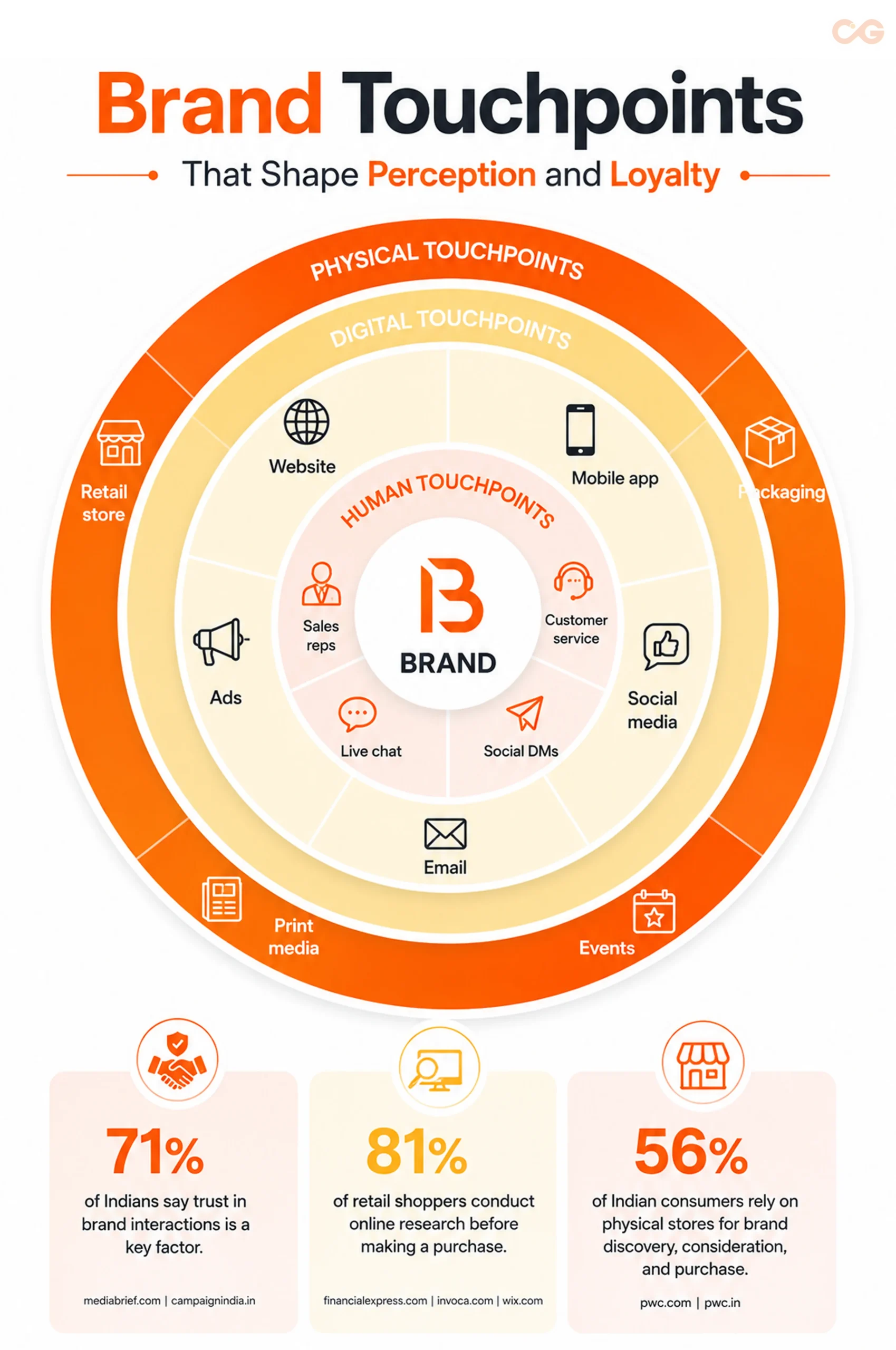
Identify every interaction customers have with your brand, including your website, social media, advertising, packaging, emails, customer support, and offline experiences. Each touchpoint should consistently reflect your brand identity.
Define Brand Messaging
Document your brand’s core messaging, tone of voice, key phrases, and emotional positioning. Every communication should reinforce the same brand promise.
Clarify Brand Values
Identify the principles that guide your business and influence customer interactions. Clear and authentic values strengthen trust and help create a consistent brand experience.
Evaluate Visual Consistency
Review logos, colours, typography, imagery, and design elements across all marketing assets. Consistent visual branding improves recognition and reinforces brand credibility.
Step 2: Understand Brand Perception
Once your brand identity is documented, evaluate how customers actually perceive your brand.
Conduct Customer Surveys
Collect feedback to understand customer opinions, experiences, and expectations. Surveys help identify whether your intended brand message matches public perception.
Analyse Social Media Sentiment
Monitor online conversations to determine whether brand mentions are positive, neutral, or negative. Social listening provides valuable insights into changing customer attitudes.
Review Ratings and Reviews
Analyse customer feedback on platforms such as Google, Trustpilot, Amazon, or app stores. Look for recurring compliments and complaints to identify strengths and improvement areas.
Benchmark Against Competitors
Compare your brand with competitors to understand how customers differentiate between brands. This helps identify positioning opportunities and competitive gaps.
Monitor Brand Mentions
Track discussions across blogs, news websites, forums, and influencer content to understand how your brand is positioned within your industry.
Step 3: Identify the Gaps
Compare your intended brand identity with actual customer perception to identify areas that require improvement.
Compare Brand Promise with Customer Perception
Identify differences between how you want customers to perceive your brand and how they actually experience it.
Find Inconsistencies
Look for inconsistencies in messaging, visual identity, customer service, and communication across different channels. Even small inconsistencies can weaken brand trust.
Assess Reputation Risks
Identify recurring negative feedback, service issues, or unmet customer expectations that could damage your brand reputation if left unresolved.
Evaluate Customer Touchpoints
Review every stage of the customer journey to identify interactions that create confusion or fail to deliver the intended brand experience.
Prioritise Improvements
Rank identified gaps based on their business impact and urgency. Address high-impact issues first to maximise results.
Step 4: Develop an Alignment Strategy
After identifying the gaps, create a practical plan to align brand identity with customer perception.
Create Action Plans
Develop clear initiatives to address each issue, whether through updated messaging, visual redesigns, improved customer service, or employee training. Assign ownership for every task.
Set Timelines
Break the strategy into realistic milestones with clear deadlines to ensure steady implementation and accountability.
Allocate Resources
Assign the required budget, tools, and team members to support each initiative effectively.
Define Success Metrics
Measure progress using KPIs such as brand sentiment, Net Promoter Score (NPS), engagement rate, brand recall, and customer satisfaction.
Track Progress
Monitor customer feedback, social sentiment, and performance metrics regularly to ensure improvements are delivering the desired results.
Step 5: Continuously Optimise
Brand alignment is an ongoing process that requires continuous monitoring and refinement.
Monitor Brand Perception
Use surveys, social listening, and analytics tools to track changes in customer perception and identify emerging issues early.
Conduct Quarterly Reviews
Review branding efforts every quarter to ensure your brand identity continues to align with customer expectations and market trends.
Refine Your Strategy
Adjust messaging, positioning, and customer experience based on performance data and audience feedback to keep your brand relevant.
Track Performance
Use dashboards to monitor key brand metrics such as sentiment, engagement, loyalty, and consistency. Regular analysis helps guide future branding decisions.
Gather Stakeholder Feedback
Collect feedback from employees, partners, and customers to ensure your internal brand identity remains aligned with external brand perception.
Takeaway
Brand Alignment Toolkit: Practical Resources to Strengthen Your Brand
Put your brand strategy into action with practical checklists, survey templates, real-world examples, and crisis communication frameworks to build a stronger, more consistent brand.
5-Step Process to Close the Brand Identity–Image Gap
Closing the gap between brand identity and brand image requires a structured approach. The following five-step process helps businesses align how they want to be perceived with how customers actually experience their brand.
Phase 1: Assessment (Weeks 1–2)
Complete a Brand Identity Audit
Review your brand’s messaging, visual identity, tone of voice, and positioning. Ensure every brand asset accurately reflects your business values and objectives.
Conduct Perception Research
Collect customer insights through surveys, online reviews, and social listening to understand how your brand is currently perceived.
Align Internal Stakeholders
Bring together leadership, marketing, sales, and customer support teams to establish a shared understanding of the brand’s purpose, values, and messaging.
Analyse Competitors
Evaluate how competitors position themselves in the market. Identify opportunities to strengthen your own positioning and differentiate your brand.
Plan Resources
Assign responsibilities, budgets, and timelines to ensure the alignment of the initiative can be executed effectively.
Phase 2: Strategy Development (Weeks 3–4)
Identify Brand Gaps
Compare your intended brand identity with customer perception to uncover inconsistencies in messaging, customer experience, and visual branding.
Develop an Alignment Strategy
Create practical solutions to address the identified gaps. These may include refining brand messaging, improving customer experiences, updating visual assets, or strengthening internal communication.
Build an Implementation Plan
Break the strategy into actionable tasks with clear ownership, timelines, and milestones to ensure smooth execution.
Define Success Metrics
Establish measurable KPIs such as customer satisfaction, brand sentiment, engagement, brand awareness, and Net Promoter Score (NPS) to evaluate progress.
Identify Potential Risks
Consider challenges such as inconsistent adoption, customer confusion, or negative feedback, and prepare response plans before implementation.
Phase 3: Implementation (Weeks 5–8)
Execute the Action Plan
Roll out the planned improvements across branding, marketing, customer experience, and internal communications.
Maintain Brand Consistency
Ensure that messaging, visual identity, and customer interactions remain consistent across every channel and touchpoint.
Support Teams with Resources
Provide employees with the training, tools, and guidance needed to deliver a consistent brand experience.
Monitor Performance
Track customer feedback, engagement metrics, and brand sentiment to measure the effectiveness of the implemented changes.
Review Progress Regularly
Hold regular check-ins to evaluate progress, resolve challenges, and keep the project on schedule.
Phase 4: Optimisation (Weeks 9–16)
Analyse Performance
Review customer feedback, brand sentiment, engagement, and other KPIs to determine which improvements have been successful.
Refine Your Strategy
Update messaging, branding, or customer experience based on insights gathered during implementation.
Continuously Improve
Treat brand alignment as an ongoing process by making incremental improvements as customer expectations and market conditions evolve.
Gather Stakeholder Feedback
Collect feedback from customers, employees, and business partners to validate your progress and identify further opportunities for improvement.
Respond to Emerging Issues
Develop clear processes for addressing customer concerns, reputation challenges, or shifts in market perception before they become larger problems.
Phase 5: Sustained Alignment (Ongoing)
Monitor Brand Perception Continuously
Track customer sentiment, reviews, and brand mentions regularly to ensure your brand remains aligned with audience expectations.
Conduct Quarterly Reviews
Review branding performance every quarter to identify new opportunities, measure progress, and adjust strategies where necessary.
Perform Annual Brand Audits
Carry out a comprehensive review of your brand identity, customer experience, and market perception to maintain long-term consistency.
Train Internal Teams
Keep employees informed about updated brand guidelines, messaging, and communication standards to ensure consistency across the organisation.
Business Benefits of Brand Alignment
When brand identity and brand image are aligned, businesses build stronger customer trust, improve brand recognition, encourage customer loyalty, and create a consistent customer experience. This alignment also strengthens brand credibility, supports premium positioning, and helps businesses differentiate themselves in competitive markets.
Case Study: Tata Tea’s Jaago Re Campaign
Tata Tea repositioned its brand through the Jaago Re campaign by shifting its communication from product-focused advertising to purpose-driven messaging. One of its most recognised initiatives encouraged citizens to register and vote ahead of the 2009 General Elections through the Jaago Re platform.
Campaign Highlights:
- Promoted voter awareness and registration.
- Expanded to address broader social issues through purpose-driven communication.
- Repositioned Tata Tea from a traditional tea brand to a brand associated with social awareness and responsible citizenship.
The campaign illustrates how a clear and consistent brand identity can strengthen brand image by creating a stronger emotional connection with consumers and differentiating the brand in a competitive market.
Case Study: How Dollar Shave Club Built a Billion-Dollar Brand
Dollar Shave Club disrupted the razor industry through a distinctive brand identity, a bold brand voice, and consistent customer-focused messaging. Its strong market positioning helped the company stand out in a competitive industry and contributed to Unilever acquiring the business for approximately US$1 billion in 2016. The acquisition highlights how a clear and differentiated brand identity can create significant long-term business value.
Managing Brand Consistency Across Customer Touchpoints
Customers interact with brands across multiple channels before making a purchase. Maintaining consistent messaging, visuals, and customer experience across every touchpoint helps strengthen brand perception and improve customer trust.
Key Touchpoints
- Website
- Social media
- Email marketing
- Online reviews
- Product packaging
- Customer support
- Sales interactions
The Indian Market Challenge
India’s diverse languages, cultures, and regional preferences make brand consistency particularly challenging. Businesses should maintain a unified brand identity while adapting messaging and campaigns to local audiences. A mobile-first approach, regional language content, and culturally relevant communication can help brands build stronger customer connections.
Managing Brand Reputation Through Influencer Marketing
Influencer partnerships can strengthen brand awareness, but choosing the wrong creator can damage brand perception.
Best Practices
- Partner with influencers whose values align with your brand.
- Establish clear content guidelines before collaboration.
- Monitor campaign performance and audience sentiment.
- Prepare a crisis communication plan for potential reputation risks.
Global Brands Adapting to Local Markets
Successful global brands maintain a consistent identity while adapting to local customer expectations.
Examples
- McDonald’s India – Introduced vegetarian and region-specific menu options.
- Coca-Cola – Uses regional language campaigns to connect with diverse audiences.
- Netflix – Invests in local-language content to increase engagement.
- Amazon – Offers regional payment methods and multilingual customer support to improve accessibility.
Takeaway
Brand Alignment Toolkit: Practical Resources to Strengthen Your Brand
Put your brand strategy into action with practical checklists, survey templates, real-world examples, and crisis communication frameworks to build a stronger, more consistent brand.
Conclusion
In 2026, a strong brand is defined not only by how it presents itself but by how consistently it is experienced across every customer touchpoint. As AI-driven search, social media, and digital interactions continue to shape consumer perceptions, aligning your brand identity with your brand image has become essential for building trust, credibility, and long-term loyalty.
Successful brands don’t just communicate a compelling message—they deliver a consistent experience that reflects their values, resonates with their audience, and adapts to evolving customer expectations. By regularly auditing your brand, listening to customer feedback, and refining your strategy, you can close perception gaps, strengthen brand equity, and create meaningful connections that drive sustainable business growth.
You May Also Like