
AI vs Human Copywriting in 2026: Can AI Replace Human Writers?
Table of Contents
- The AI Revolution: Understanding What’s Really Happening
- The Current State of AI Copywriting Tools in 2026
- The Human Touch: What AI Can’t Replicate
- The Future of Content Creation: Can AI Replace Human Copywriters?
- Real-World Case Studies: AI and Human Writers Working Together
- Where AI and Human Writers Add the Most Value
- The New Content Creation Workflow: Human and AI in Harmony
- The Skills Evolution: What Writers Need to Know
- AI Content: Ethics and Challenges
- The Future Landscape: Predictions and Trends
- Measuring Success: KPIs for AI-Human Collaboration
- Crafting an Effective AI Content Strategy
- Conclusion: Who Really Wins?
Imagine browsing your favourite blog, engrossed in a captivating article about the future of work. The insights are fresh and relatable, and the writing feels personable. Then, you find out it was generated by AI. Surprising, right?
Welcome to 2026, where the line between AI-generated content and human creativity has become hard to distinguish. This shift is driving a major transformation in content marketing. According to HubSpot’s State of AI report, more than 80% of marketers use AI to assist with content creation, making AI one of the most widely adopted tools in modern marketing.
This raises a critical question: In the contest between AI copywriting and human creativity, who takes the crown? Will AI replace human writers, or are we seeing a more complex landscape?
In this article, we’ll explore the intriguing dynamics of AI versus human copywriting. We’ll share compelling statistics and real-world case studies that could change our perspective on content creation.
The AI Revolution: Understanding What’s Really Happening
An Understanding of What Is AI-Generated Content
Content from artificial intelligence is no longer a distant reality. It’s very much present and dynamic today, generating texts, images, videos, and podcasts based on patterns learned from countless human examples. AI writing tools analyse various contexts to produce sophisticated content rather than random text.
Think of it as a writing assistant that has absorbed the styles and tones of countless books and articles. This allows for rapid production, scalability, and customisation for multiple audiences without fatigue.
The Numbers Don’t Lie: Statistics Showing the Rise of AI
The statistics on AI in copywriting are impressive:
- Marketing teams reported saving nearly 70% of their time on content creation with AI tools, as noted by WrightyMedia.
Companies have cut content creation costs by 40-60%, according to the same source.
68% of marketing teams using AI tools have seen a significant return on investment, as highlighted by WrightyMedia.
While these figures highlight AI’s growing influence, they tell only part of the story. AI has undoubtedly transformed content creation, yet some elements still demand the creativity, empathy, and strategic thinking that only human copywriters can provide.
The Current State of AI Copywriting Tools in 2026
The Leading Tools in the AI Content Revolution
AI copywriting has evolved remarkably over the years. AI copywriting has come a long way. The days of awkward, robotic-sounding content are largely behind us. Today’s AI platforms are enhancing their capabilities to grasp context, brand voice, user emotions, and audience psychology, functioning as true content partners.
ChatGPT is a well-known name in content marketing, but many specialised tools are also available:
Jasper AI supports large marketing teams in producing consistent content across various channels, focusing on enterprise-level needs.
Copy.ai specialises in crafting marketing copy aimed at driving conversions, including ad copy, emails, and product descriptions.
Writesonic is designed for creating SEO-optimised content on a large scale, such as blog posts, articles, and landing pages.
Grammarly offers real-time writing assistance, focusing on grammar, tone, and clarity.
AI-driven tools enhance human creativity instead of replacing it. As we move toward 2026, blending AI with human creativity will be vital for standing out in a crowded market.
The Technology Behind the Magic: Natural Language Processing
Natural Language Processing (NLP) is at the core of AI content creation. It enables AI systems to understand user intent, emotions, and the problems they face.
In 2026, NLP offers remarkable capabilities:
Contextual Understanding: It interprets the context of lengthy documents.
Tone Adaptation: Adjusting the tone for different formats, like social media or business writing, becomes seamless.
Real-time Fact-Checking: AI provides verified data sources to enhance content authenticity.
Multilingual Capabilities: It allows for translations, delivering localised and personalised content.
Takeaway

Ready to enhance your content creation process? Discover the top tools that can elevate your workflow, along with their pricing and standout features.
The Human Touch: What AI Can’t Replicate
The Emotional Intelligence Gap
This is where it becomes fascinating: while AI can generate text that appears flawless, it fails to capture the emotional subtleties that make content truly engaging. Human copywriters offer a depth of empathy that machines cannot replicate.
Research from MIT Media Lab highlights that people demonstrate greater empathy toward stories crafted by humans compared to those produced by AI. This preference holds even when individuals aren’t aware of the stories’ origins, indicating a deeper connection.
The Creative Spark Machines Lack
Creativity manifests uniquely in humans, and AI struggles to grasp this concept. Here’s how:
Cultural Context: Humans understand what resonates with specific audiences and why.
Emotional Timing: Knowing the right moment to be serious, playful, or provocative is vital.
Authentic Voice: A distinct perspective shaped by genuine human experiences sets writers apart.
Intuitive Storytelling: Humans weave narratives that resonate emotionally and leave a lasting impression.
The Trust Factor
Trust is inherently human. Engaging readers involves more than just sharing information; it’s about cultivating a relationship with the voice behind the words. These connections develop through:
Shared Experiences: Acknowledging similar pasts fosters an emotional bond.
Vulnerable Honesty: Being open about mistakes and uncertainties enhances authenticity and trust.
Consistent Personality: Establishing a recognisable voice strengthens brand identity over time.
Ethical Judgment: Making informed decisions about content presentation distinguishes human writers from AI.
Prioritise human connection in your content creation. Emphasise empathy, creativity, and trust to engage your audience effectively.
The Future of Content Creation: Can AI Replace Human Copywriters?
The short answer is no. While AI has become remarkably capable, it still lacks the creativity, empathy, and strategic thinking required for truly impactful copywriting. The future belongs to businesses that combine AI efficiency with human expertise.
The Strength of Collaboration
By 2026, leading content operations will not have to choose between AI and humans. Instead, they will adopt hybrid content workflows that leverage the advantages of both. This hybrid model is becoming the standard.
How Does This Collaboration Work?
1. AI Handles Heavy Lifting: AI takes charge of research, outlines, initial drafts, and data analysis.
2. Humans Bring Emotion: Humans focus on strategy, emotional impact, brand voice, and creative direction.
3. AI Optimises Content: AI conducts A/B testing, optimises for SEO, and tracks performance.
4. Humans Ensure Quality: Humans are responsible for fact-checking, ethical considerations, and final approval.
Real-World Successes
Companies using AI-human collaboration are seeing impressive results:
- According to Scientific Research, a 74% rise in engagement rates is attributed to AI-driven personalisation.
- Number Analytics reveals a 32% decrease in content creation costs after implementing AI tools, as per Number Analytics.
- They also recorded a 39% boost in user engagement depth.
Real-World Case Studies: AI and Human Writers Working Together
Case Study: AI-Enhanced Content Workflow at Kraft Heinz
Kraft Heinz collaborated with Google Cloud to create TasteMaker, an AI-driven platform aimed at streamlining the process of marketing content creation. Rather than substituting human writers and marketers, this platform utilises the company’s established brand guidelines, consumer insights, and product information to craft content that resonates with the brand. Human teams play a critical role in reviewing, refining, and approving the final produced material.
Outcomes:
- Reduced the timeline for content and product concept development from eight weeks to just eight hours.
- Achieved a 70% adoption rate among marketing and product teams.
Key Insight:
Kraft Heinz illustrates that AI serves best as a creative facilitator rather than a replacement for human talent. While AI enhances the efficiency of content production, the contributions of writers and marketers are indispensable for strategic direction, creativity, and maintaining alignment with the brand’s voice.
- It identifies users’ locations to suggest targeted offers.
- Recommendations adapt to the time, weather, and events, addressing users’ needs accurately.
- AI organises campaigns around festivals like Holi and Diwali, providing localised experiences.
Case Study: JPMorgan Chase Uses AI to Improve Marketing Copy
JPMorgan Chase partnered with Persado to enhance its marketing copy using AI. The platform generated multiple versions of marketing messages, while the company’s marketing team reviewed, refined, and selected the best-performing copy before launching campaigns.
Outcomes:
- According to Persado, some campaigns achieved up to a 450% increase in click-through rates (CTR).
- Following the successful pilot, JPMorgan Chase expanded AI-powered copy generation across its marketing operations.
Key Takeaway:
JPMorgan Chase’s experience shows that AI can improve the speed and performance of copywriting, but human marketers remain essential for strategy, brand voice, and final decision-making.
Where AI and Human Writers Add the Most Value
When Should Businesses Use AI?
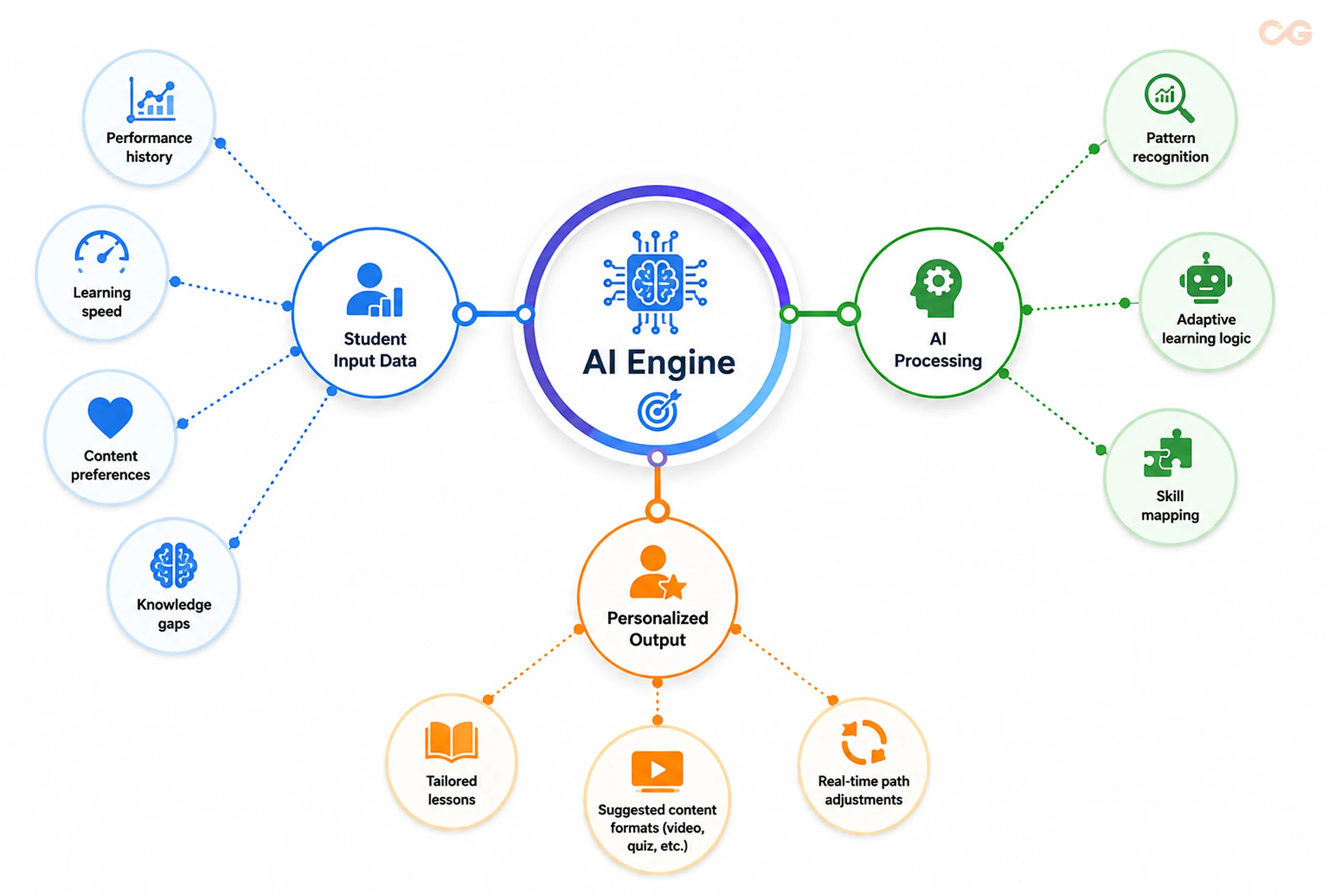
AI delivers the greatest value when it accelerates repetitive and data-driven tasks. Rather than replacing writers, it helps content teams work faster by automating routine activities and improving overall productivity.
- Research topics and identify content gaps.
- Generate outlines and first drafts.
- Optimise content for SEO and readability.
- Repurpose content across blogs, emails, and social media.
- Analyse content performance and suggest improvements.
Once AI has completed these tasks, human expertise becomes essential to refine, validate, and elevate the content. This is where a structured AI-human workflow delivers the best results.
When Do You Need Human Writers?
While AI can streamline content creation, certain tasks still require human expertise. Writers play a crucial role whenever content demands originality, strategic thinking, or a deeper understanding of the audience.
- Develop brand stories and campaign messaging.
- Create thought leadership and opinion-driven content.
- Review facts, context, and overall accuracy.
- Handle sensitive, legal, or industry-specific communication.
- Ensure the content reflects the brand’s unique voice and business objectives.
This is why the Human Refinement phase remains one of the most important stages in the modern content creation process.
The New Content Creation Workflow: Human and AI in Harmony
Phase 1:
AI-Powered Research and Ideation
- Trend analysis
- Competitive content analysis
- Audience behavior insights
- Content gap identification
Phase 2:
Human Strategic Direction
- Brand voice alignment
- Emotional positioning
- Creative concept development
- Ethical considerations
Phase 3:
AI-Assisted Production
- First draft generation
- Multiple variation creation
- SEO optimization
- Performance prediction
Phase 4:
Human Refinement
- Creative enhancement
- Brand consistency checks
- Quality assurance
- Final approval
The most effective content marketing strategies in 2026 follow a hybrid model:
Phase 1: AI-Driven Research and Ideation
Utilise AI tools for trend analysis, topic discovery, competitor content analysis, audience behaviour insights, and identifying content gaps. This phase sets a solid, data-driven foundation for every campaign.
Phase 2: Human Strategic Direction
In this stage, human strategists add depth to the program. They ensure the content aligns with the brand’s voice, emotional appeal, creative ideas, and ethical standards. This human touch helps the target audience connect deeply with the material.
Phase 3: AI-Assisted Production
Here, AI steps in to create initial drafts, produce variations of the content, optimise it for SEO, and forecast its performance. This approach enhances efficiency by relying on data rather than assumptions.
Phase 4: Human Refinement
This phase is crucial. Content writers are tasked with infusing creativity, ensuring brand consistency, and maintaining quality before giving final approval. The synergy of AI and human insight at each step leads to high-quality content. This results in significant engagement and a strong return on investment in the fast-paced digital landscape of 2026.
The Skills Evolution: What Writers Need to Know
The Changing Role of Copywriters
As AI transforms the industry, copywriters may feel threatened. However, the landscape has shifted. In 2026, success lies in understanding and addressing the specific needs of prospects, not just crafting text.
Writers who thrive in 2026 possess a blend of skills:
Technical Skills:
Prompt Engineering: Mastering how to give AI effective instructions.
Data Analysis: Understanding metrics to gauge performance and audience insights.
SEO Optimisation: Maximising search visibility while keeping engagement high.
Multi-Platform Adaptation: Tailoring content to work seamlessly across digital channels.
Creative Skills:
Emotional Intelligence: Understanding and expressing human emotions to resonate with users.
Brand Storytelling: Creating impactful narratives that engage the audience.
By embracing these skills, writers will thrive in the evolving digital landscape.
Takeaway
Ready to enhance your content creation process? Discover the top tools that can elevate your workflow, along with their pricing and standout features.
AI Content: Ethics and Challenges
The Transparency Essential
As AI-generated content evolves, being open and honest is crucial. India is emerging as a pivotal player in how developing nations approach artificial intelligence, balancing copyright laws while shaping global policies for AI content.
Current Challenges:
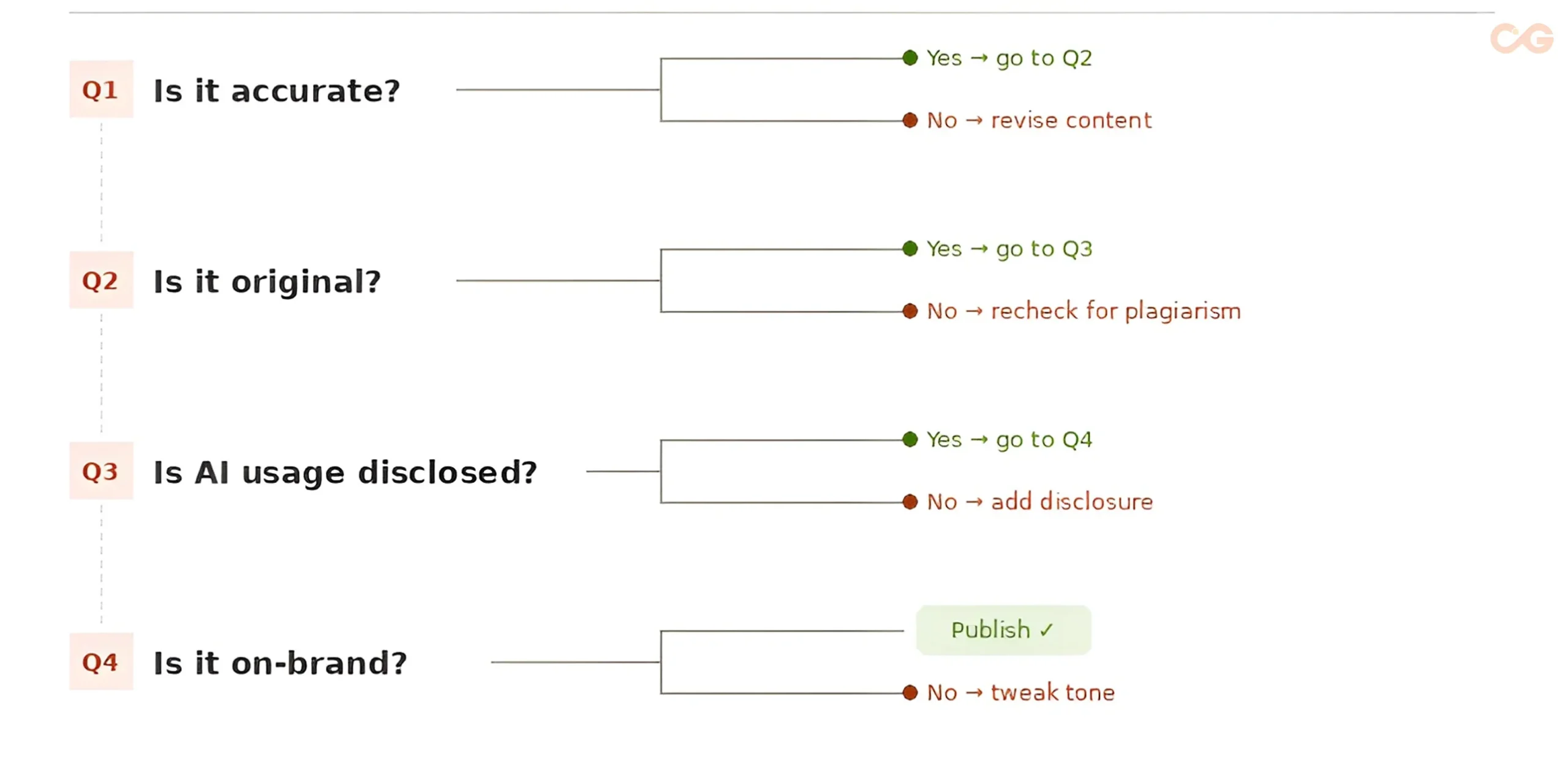
1. Reader Trust: Clearly inform users about AI’s role in content creation to foster authenticity and transparency.
2. Legal Compliance: Follow government regulations that mandate labelling AI-generated content.
3. Ethical Standards: Uphold integrity in content creation while leveraging AI for improved efficiency.
4. Brand Authenticity: Blend automated content with human narratives to maintain emotional connections with audiences.
Navigating Copyright Issues
Key Considerations for Indian Businesses:
Training Data Sources: Understand the materials the AI model uses, such as books and websites, to prevent bias and content duplication.
Originality Checks: Always verify content for plagiarism to avoid copyright complications.
Attribution Requirements: Acknowledge the original sources when the AI model references specific content.
Legal Awareness: Stay updated on copyright laws and regulations.
Prioritising Quality in the AI Content Era
Quality over Quantity: Focus on producing high-quality content instead of merely increasing volume without proper reviews.
Consistency in Brand Voice: Maintaining a uniform brand voice across AI-generated content is critical.
Diligent Fact-Checking: Ensure thorough fact-checking after using AI tools for content creation.
Conducting careful reviews ensures content clarity, originality, and adherence to the brand’s tone.
The Future Landscape: Predictions and Trends
Emerging Technologies and Their Impact
Multimodal AI: This technology allows the creation of various content formats — text, video, audio, and images — streamlining the process.
Real-Time Personalisation: Deliver content tailored to individual users based on their past interactions and preferences.
Voice and Tone Cloning: AI can replicate a brand’s voice and writing style, ensuring consistency across all content.
Predictive Content: Generate content based on anticipated trends and patterns, leveraging user data.
The Indian AI Innovation Ecosystem
The Indian AI landscape is transforming, driven by significant investment from the National AI Mission, which has allocated over ₹10,300 crores to AI research and digital infrastructure, as reported by the Ministry of Electronics and IT. Initiatives like BHASHINI are developing over 300 AI models for Indian languages, promoting inclusivity, as per Microsoft.
According to ET CIO, 80% of large corporations in India view AI as a top priority. Rapid adoption of personalised content, marketing, and customer support is underway. This collective effort positions India as a leader in scalable AI content solutions and digital transformation.
Industry-Specific AI Transformations
E – commerce and Retail
Efficient Product Descriptions: Our AI tools produce high-quality product descriptions in under a minute. These descriptions are optimised for SEO, enhancing visibility on Google and boosting customer engagement.
Tailored Marketing Campaigns: We utilise AI and machine learning to deliver personalised content based on user search behaviours, interests, and past purchases.
Automated Customer Service: Chatbots and virtual assistants improve customer service efficiency. They offer immediate assistance at any time, lowering overall service costs.
Social Media Content Creation: AI tools analyse trends, craft posts, and uphold brand voice, all of which elevate engagement on social media platforms.
Healthcare and Pharma
Verification of Medical Content: Our natural language processing models review clinical documents for inconsistencies, reducing errors and ensuring data accuracy.
Patient Education: AI adapts medical information into various formats and languages, empowering patients to make informed health choices.
Regulatory Compliance Support: Automated systems streamline the creation and verification of compliance documents, minimising manual effort and navigating complex regulations more easily.
Research Publication Assistance: AI helps identify relevant literature, summarise key findings, and aid in manuscript development, accelerating medical research efforts.
Financial Services
Automated Compliance Documentation: We leverage AI to draft and assess regulatory reports, minimising compliance risks and facilitating quicker audits.
Enhanced Customer Communication: AI-driven personalised messaging improves user experiences and efficiently addresses straightforward inquiries.
Market Analysis Insights: AI analyses large datasets to uncover patterns, forecast trends, and generate actionable market insights.
Simple Educational Content: Our AI simplifies complex financial terminology, making information accessible and supporting financial literacy initiatives.
Measuring Success: KPIs for AI-Human Collaboration
To evaluate the impact of our AI-human partnerships in content creation, we focus on efficiency and engagement metrics. Key Performance Indicators include:
Efficiency Metrics
Content Production Speed: Track the time taken from content briefing to publication. AI tools significantly enhance production speed, reducing content generation time.
Cost per Piece: Assess the financial efficiency of each content piece, accounting for AI licensing fees and human editing costs.
Quality Consistency: Monitor output quality by checking error rates, factual accuracy, and adherence to brand guidelines.
Resource Allocation: Evaluate the distribution of tasks between AI and human teams to maximise their strengths.
Engagement Metrics
Audience Response: Compare engagement rates (likes, shares, comments) for AI-generated content against those of human-produced content.
Conversion Performance: Analyse click-through and conversion rates to link content effectiveness with business outcomes.
Brand Sentiment Monitoring: Use social listening tools to gauge customer sentiment regarding your brand.
Trust Indicators: Actively seek customer feedback through ratings, comments, and reviews to build credibility.
According to a report by the American Marketing Association and Lightrics, nearly 90% of marketers integrate AI into their daily operations, with 71% using AI weekly. Embrace these advancements to elevate your marketing efforts.
Takeaway
Ready to enhance your content creation process? Discover the top tools that can elevate your workflow, along with their pricing and standout features.
Crafting an Effective AI Content Strategy
Implementation Framework
To develop a successful AI content strategy, a structured, step-by-step method is essential. This method should connect technology to organisational goals and team abilities. Here’s a streamlined framework for your implementation:
1. Assessment Stage
Begin by analysing your current workflow. Identify your strengths, weaknesses, logistical challenges, gaps in content creation, and existing resources. This assessment will highlight areas where AI tools can enhance your process.
2. Tool Selection
Next, research the best tools for your business requirements. Consider factors like scalability, compatibility with existing systems, and ease of use. Options to explore include ChatGPT, Jasper, and others.
3. Team Training
Invest in training for your content team. Provide workshops and ongoing learning opportunities to ensure they feel confident using AI tools and understand their capabilities and limitations.
4. Pilot Testing
Implement new AI-human workflows on low-risk content projects for testing. Gather feedback from reviewers and make improvements before wider deployment.
5. Scaling and Optimisation
Once you’ve established successful AI-driven processes, expand them to larger content initiatives. Monitor results closely, collect analytics, and make adjustments to enhance performance.
Conclusion: Who Really Wins?
After considering the data and practical examples, the answer is clear: collaboration is key.
The Hybrid Edge
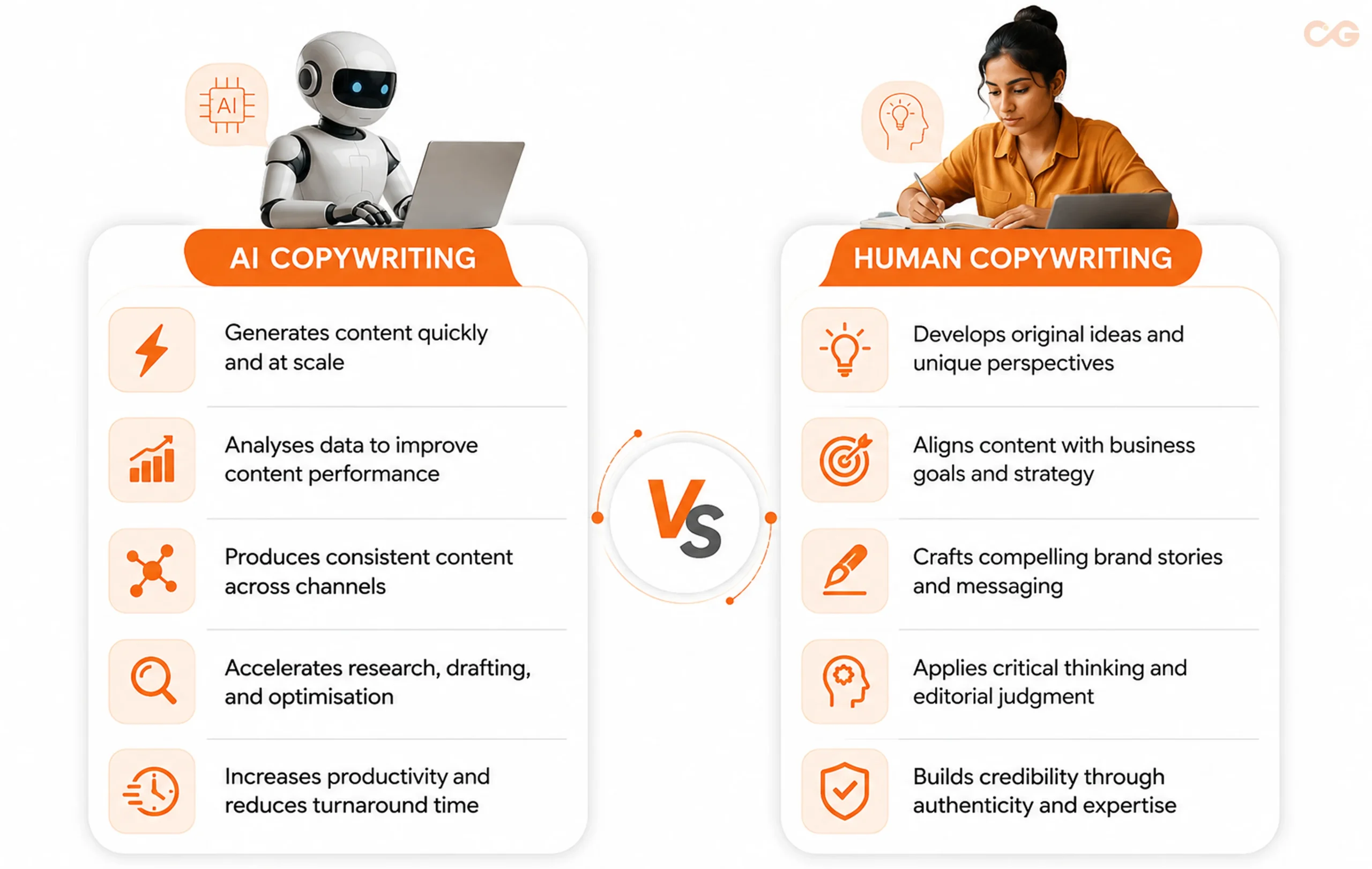
AI Strengths:
Speed and Scale: AI can produce content rapidly without fatigue, which is beyond human capacity.
Data Processing: AI analyses trends and audience insights using real-time data, aiding in content planning.
Consistency: AI maintains a uniform brand voice across various content formats.
Optimisation: AI executes A/B testing and analyses performance, improving content accordingly.
Human Strengths:
Emotional Connections: Humans create content that resonates deeply, incorporating personal experiences and a conversational tone.
Creative Innovation: Humans contribute unique insights and perspectives, making content distinctive.
Cultural Sensitivity: Humans comprehend social nuances to adapt tone, messaging, and visuals appropriately.
Ethical Judgment: Humans navigate content decisions, recognising misinformation, duplication, and discrimination.
Final Thoughts
By 2026, successful content creators will focus on how to leverage both AI and human creativity, rather than choosing between the two. Progressive organisations will master this balance, merging machine efficiency with human spirit to produce exceptional content.
The challenge lies not in a competition between AI and humans, but in their collaboration to achieve remarkable outcomes.
You May Also Like