
Instagram Marketing in 2026 and Beyond: A Complete Guide to Mastering the Visual-First Platform

Table of Contents
- How Instagram Marketing Has Changed in 2026
- Top Instagram Marketing Trends to Watch in 2026
- Instagram Marketing Strategies for 2026
- Building Community and Engagement in 2026
- How to Measure Success: Instagram Marketing KPIs in 2026
- Common Instagram Marketing Mistakes to Avoid in 2026
- The Future Is Here: Instagram Marketing 2026 and Beyond
- Conclusion: The Future of Instagram Marketing
In 2026, Instagram has evolved far beyond its origins as a photo-sharing platform, emerging as an increasingly AI-powered marketing ecosystem where brands can connect with audiences, build communities, and drive commerce. With 522 million Instagram users in India, according to NapoleonCat, and 3 billion monthly active users globally, according to Sprout Social, the platform has become a vital part of modern social media marketing strategies.
Instagram marketing in 2026 is shaped by AI-powered recommendations, hyper-personalised content, immersive experiences, short-form video, and social commerce. For brands, success is no longer about simply publishing visually appealing posts. It is about creating relevant and interactive experiences that capture attention, build meaningful relationships, and drive measurable business results. So, what has changed in Instagram marketing in 2026, and how can brands adapt their strategies to stay ahead?
This guide explores the key changes shaping Instagram marketing in 2026, from AI-driven content creation and hyper-personalisation to interactive shopping, Reels, Stories, and influencer marketing. You’ll also discover practical strategies, emerging trends, and Indian brand examples to help you build a more engaging, data-driven, and conversion-focused Instagram strategy.
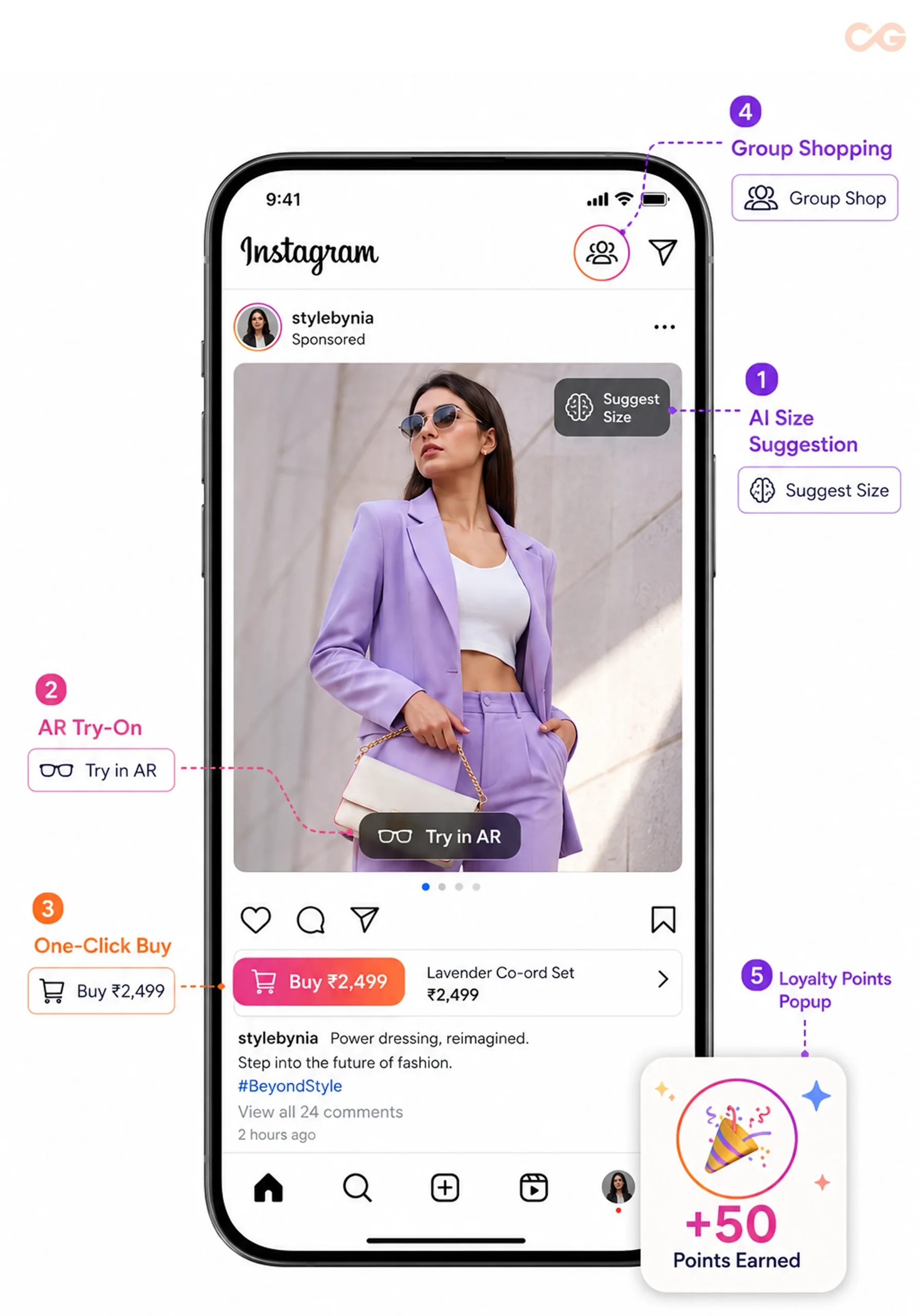
How Instagram Marketing Has Changed in 2026
2023–2026: How Instagram Transformed Its Features
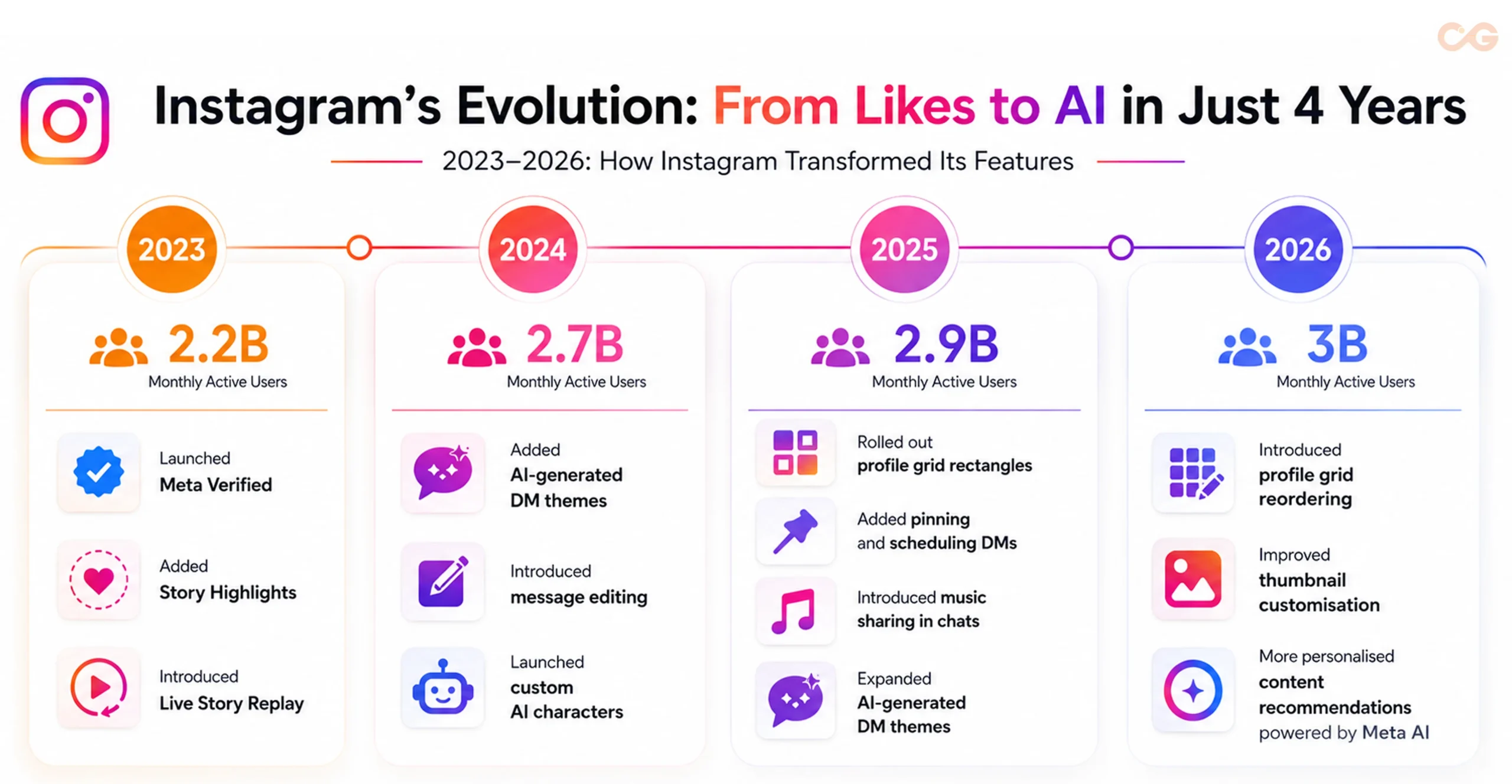
Instagram has undergone significant changes in 2026, expanding beyond content discovery to become a more AI-powered, commerce-focused, and interactive platform. According to the 2025 Sprout Social Index, 29% of users have purchased a product through Instagram, highlighting the platform’s growing role in social commerce.
What Are the Key Instagram Marketing Changes in 2026?
The biggest shift is Instagram’s evolution into a comprehensive business ecosystem. While the platform was once primarily focused on content discovery and engagement, brands can now use a combination of AI, shopping, analytics, and immersive experiences to connect with customers and drive conversions.
Key developments include:
- AI-powered content optimisation: AI tools can help brands analyse audience behaviour, refine content, and identify opportunities to improve engagement.
- Seamless shopping experiences: Shopping features are making it easier for users to discover products and move from content to purchase.
- Predictive insights: AI-powered analytics can help marketers understand audience behaviour and identify patterns that inform content and campaign decisions.
- Immersive AR experiences: Augmented reality features allow brands, particularly in categories such as fashion and beauty, to offer interactive product experiences.
Alongside these technological developments, authenticity has become increasingly important. Instagram content in 2026 is moving beyond polished promotional posts toward a mix of educational, lifestyle, behind-the-scenes, and product-focused content that feels more relatable. For brands, the focus is shifting from simply gaining visibility to creating genuine connections, meaningful engagement, and experiences that encourage users to take action.
Takeaway

Ready to turn your Instagram strategy into measurable business growth? Use this 12-month roadmap to put the key strategies from this guide into action.
Top Instagram Marketing Trends to Watch in 2026
1. The Rise of Hyper-Personalised Content
How Does Personalisation Work in Instagram Marketing?
The era of one-size-fits-all content is fading. In 2026, brands are using audience data, AI-powered recommendations, interactive features, and behavioural insights to create Instagram experiences that are more relevant to individual users.
Personalised Instagram marketing can include:
- Dynamic content tailored to user interests and behaviour.
- Personalised product recommendations based on browsing and purchase patterns.
- Targeted storytelling designed for specific audience segments.
- Contextual calls to action aligned with different stages of the customer journey.
Effective personalisation goes beyond simply addressing users by name. The goal is to make the content, product recommendations, and overall experience feel relevant to each audience segment. When done well, personalisation can help brands improve engagement, strengthen customer relationships, and create more meaningful interactions on Instagram.
2. AI-Driven Content Development and Optimisation
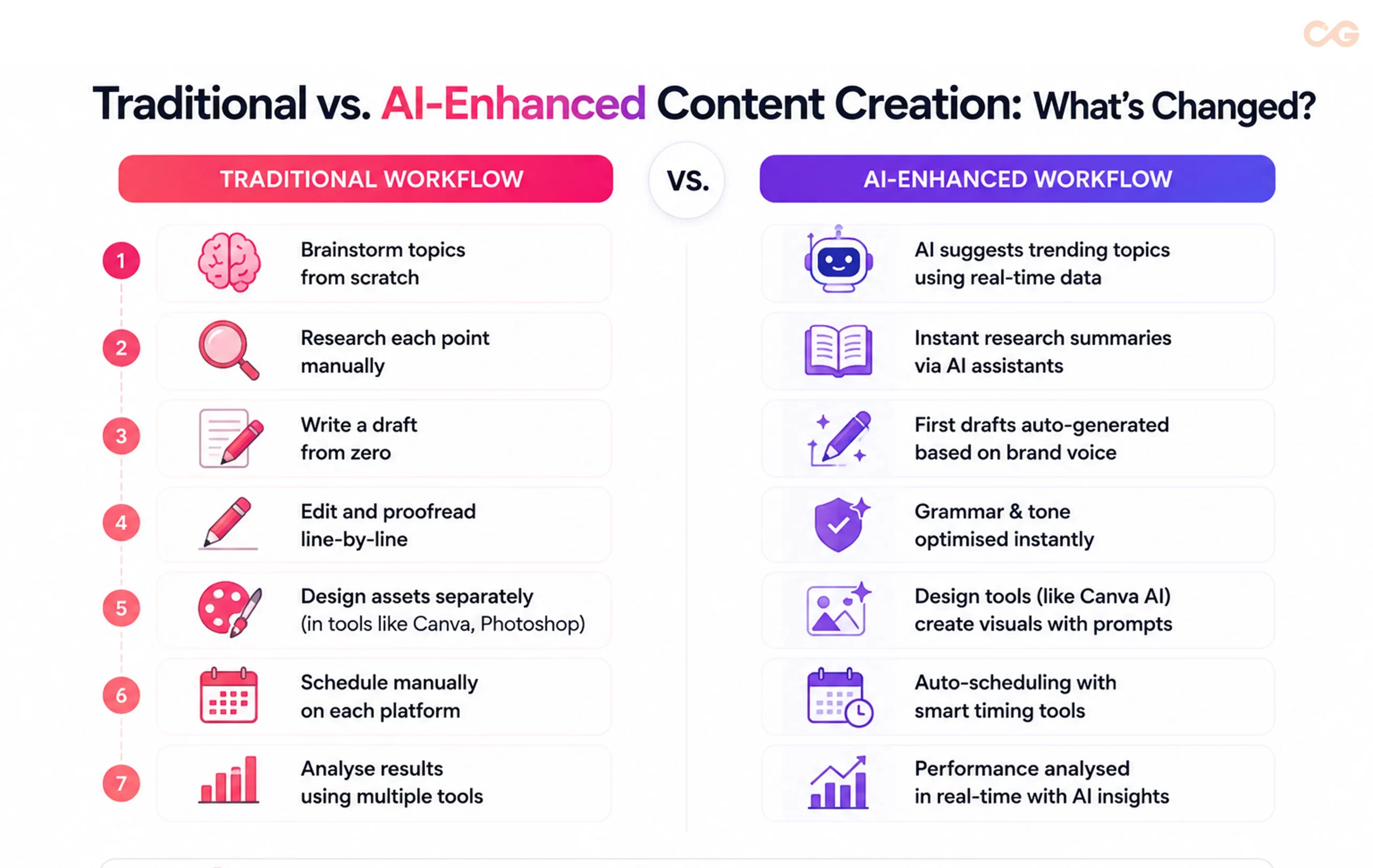
Artificial intelligence is becoming more than an automation tool in Instagram marketing. It is helping brands streamline content production, understand audience behaviour, identify trends, personalise experiences, and make faster marketing decisions. Instead of replacing creative teams, AI can support them by handling repetitive tasks and providing data-driven insights that inform content and campaign strategies.
Which AI Tools Can Support Instagram Marketing in 2026?
Brands can use AI across different stages of the Instagram marketing workflow:
- Content creation: Tools such as Buffer AI Assistant can help generate captions and content variations, while AI-powered design platforms can support the creation of visual assets.
- Posting optimisation: Tools such as FeedHive can analyse engagement patterns and provide recommendations around content performance and posting times.
- Content testing: AI-assisted analytics can help marketers compare different content variations and identify which formats generate stronger engagement.
- Sentiment analysis: Platforms such as Brandwatch can analyse audience conversations and identify changes in sentiment across social channels.
- Competitor intelligence: Tools such as Talkwalker can help marketers monitor competitor activity, engagement patterns, and emerging industry trends.
The value of these tools lies not simply in generating more content, but in helping marketers create, test, optimise, and personalise content more efficiently.
As AI becomes more integrated into content workflows, the demand for AI-assisted content creation is expected to continue growing. According to Followr, the global AI content creation market is projected to reach $12 billion by 2031.
However, AI should remain a supporting tool rather than a substitute for human creativity. Brands still need a distinct voice, original ideas, cultural awareness, and human oversight to ensure that AI-assisted content feels authentic and relevant to their audience.
3. Interactive Shopping Experiences
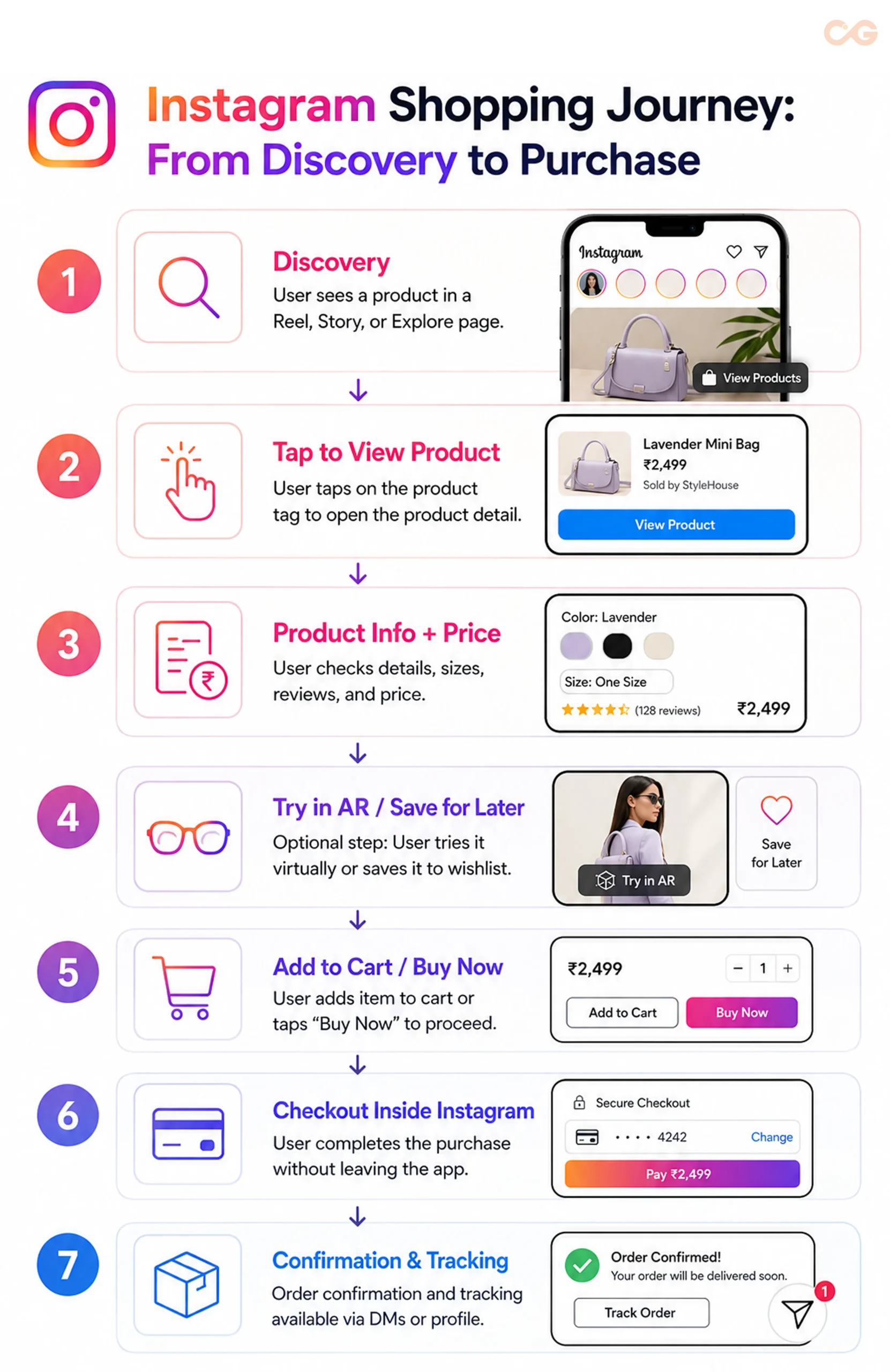
Instagram has increasingly blurred the line between content discovery and shopping, allowing brands to showcase products within the experiences users already engage with. Features such as product tags, shopping content, creator collaborations, and interactive product experiences can help shorten the path from discovery to consideration and purchase.
How Is Instagram Shopping Evolving in 2026?
Instagram shopping is becoming more interactive and closely connected to the content experience. Key developments include:
- Shoppable content: Product tags and shopping features can help users discover products while viewing Reels, Stories, and other content.
- Immersive product experiences: AR and virtual try-on experiences, where available, allow customers to visualise certain products before making a purchase.
- Personalised recommendations: AI-powered recommendations can help surface products and content that align with users’ interests and behaviour.
- Creator-led shopping: Influencers and creators can introduce products in more authentic, contextual ways, combining product discovery with social proof.
- Seamless customer journeys: Connecting product discovery, product information, and checkout with fewer friction points can make the path to purchase more efficient.
The key opportunity for brands is not simply to sell products on Instagram, but to make shopping feel like a natural extension of the content experience. Product demonstrations, creator recommendations, tutorials, reviews, and user-generated content can help move audiences from interest to consideration and, ultimately, conversion.
4. Authentic Micro-Content Instead of Polished Productions
Instagram marketing in 2026 is increasingly influenced by authenticity, speed, and experimentation. Rather than relying entirely on highly produced promotional content, brands are incorporating more relatable formats such as behind-the-scenes videos, creator content, customer stories, and user-generated content.
Why Is Authentic Content More Important Than Ever?
Audiences are becoming more selective about the content they engage with. Highly polished campaigns can still work for brand-building, but they are not the only way to capture attention. Content that feels natural, relatable, and relevant to the audience can help brands create stronger connections and encourage conversation.
Brands can make their Instagram content more authentic by:
- Sharing behind-the-scenes content that gives audiences a closer look at the people and processes behind the brand.
- Working with relevant micro-influencers and creators who have established relationships with niche audiences.
- Encouraging user-generated content that showcases genuine customer experiences.
- Experimenting with spontaneous, less-polished formats instead of making every post look like a traditional advertisement.
- Responding to cultural moments and conversations when they are relevant to the brand and its audience.
The goal is not to make every piece of content look unpolished. Instead, brands should balance professional brand assets with content that feels human and native to the platform.
Indian Case Study: Amul’s Relatable Content Strategy
Amul is a strong example of how a well-established Indian brand can use timely, culturally relevant content to maintain a distinctive presence on social media. Its content strategy combines humour, topical conversations, and a recognisable brand personality, helping the brand remain relevant to Indian audiences.
Its Instagram approach includes:
- Timely content that responds to relevant cultural and trending topics.
- Creative collaborations with artists and creators.
- Customer-focused content that brings real-world product experiences into the brand’s social presence.
According to DigitalScholar, Amul’s Instagram account had an engagement rate of approximately 2.85% in July 2024, with an average of 11,325 likes and 25 comments per post.
The example demonstrates an important principle for brands in 2026: authenticity does not mean abandoning brand consistency. Amul maintains a recognisable identity while adapting its content to current conversations and audience interests.
Instagram Marketing Strategies for 2026
Harnessing the Potential of Instagram Reels
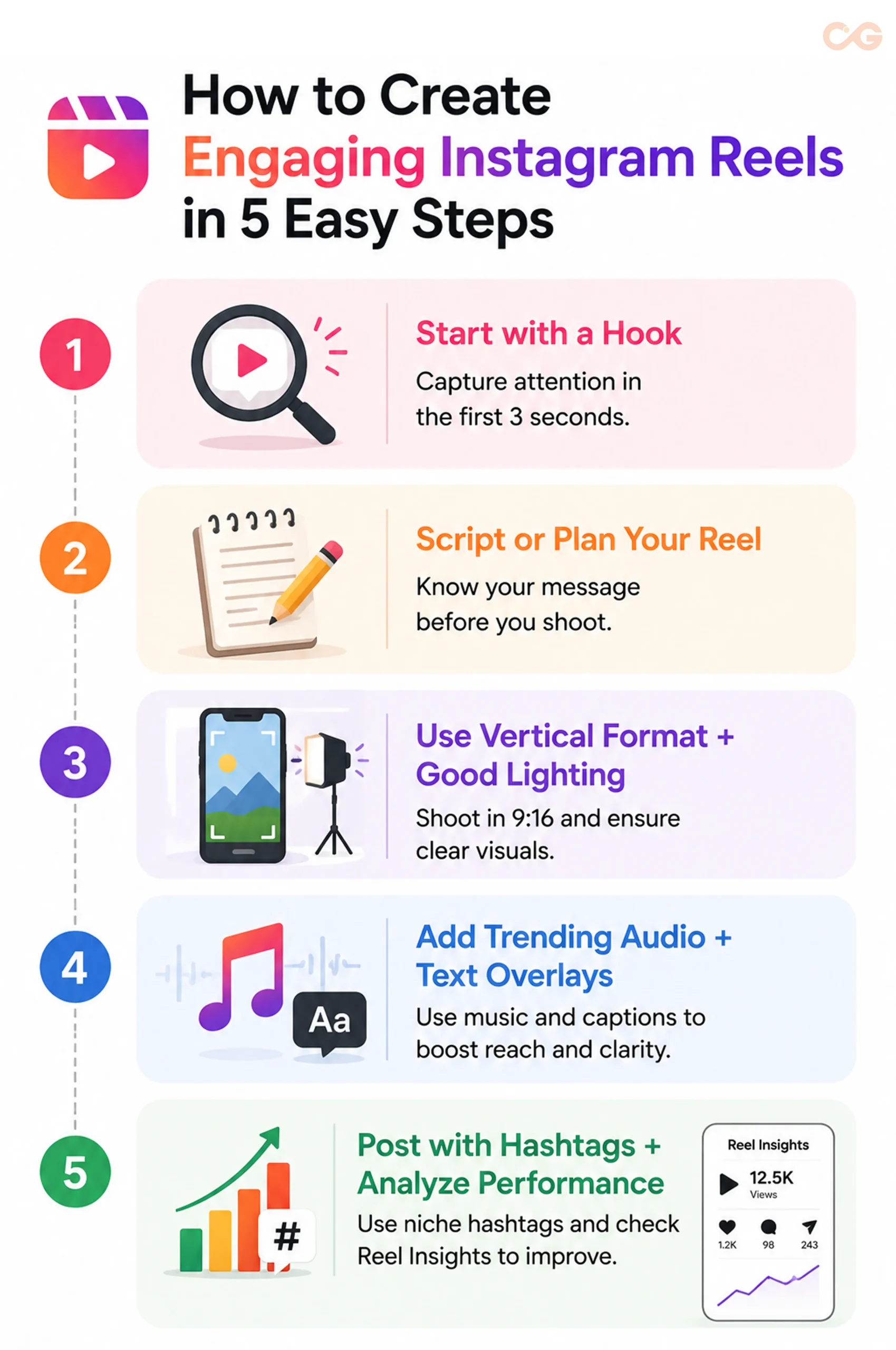
In 2026, marketing through Instagram Reels continues to play a major role in content discovery and audience engagement. With an average watch time of 8 seconds, brands and creators have very little time to capture attention. This makes the opening seconds particularly important for stopping the scroll and encouraging viewers to watch further.
What Makes Instagram Reels Successful in 2026?
An effective Instagram Reels content strategy should focus on:
- Strong hooks that capture attention within the first few seconds and encourage viewers to continue watching.
- Educational and entertaining content that provides useful information while keeping the audience engaged.
- Trending audio integration that complements the content and can support discoverability.
- Clear calls to action that encourage viewers to follow, share, save, comment, or take the desired next step.
- Series-based content that gives audiences a reason to return for the next instalment and helps build consistent engagement over time.
Harnessing the Power of Instagram Stories to Build Community
Instagram Stories marketing remains an effective way to build ongoing relationships with a target audience. Their temporary nature creates a sense of urgency, while interactive features give brands opportunities to start conversations and understand what their audiences care about.
How Can Brands Use Instagram Stories More Effectively in 2026?
Brands can use Stories to:
- Run interactive polls and quizzes to encourage participation and gather audience insights.
- Share behind-the-scenes content to make the brand more relatable and build trust.
- Offer previews and exclusive opportunities to create a sense of access for Story viewers.
- Feature user-generated content to recognise community members and provide social proof.
- Use AR filters and effects to encourage users to interact with and share branded content.
The strongest Instagram Stories strategies are not simply focused on posting frequently. They use Stories as a two-way communication channel, combining useful content, interactive features, and community participation.
Takeaway
Ready to turn your Instagram strategy into measurable business growth? Use this 12-month roadmap to put the key strategies from this guide into action.
Build an Effective Instagram Influencer Marketing Strategy
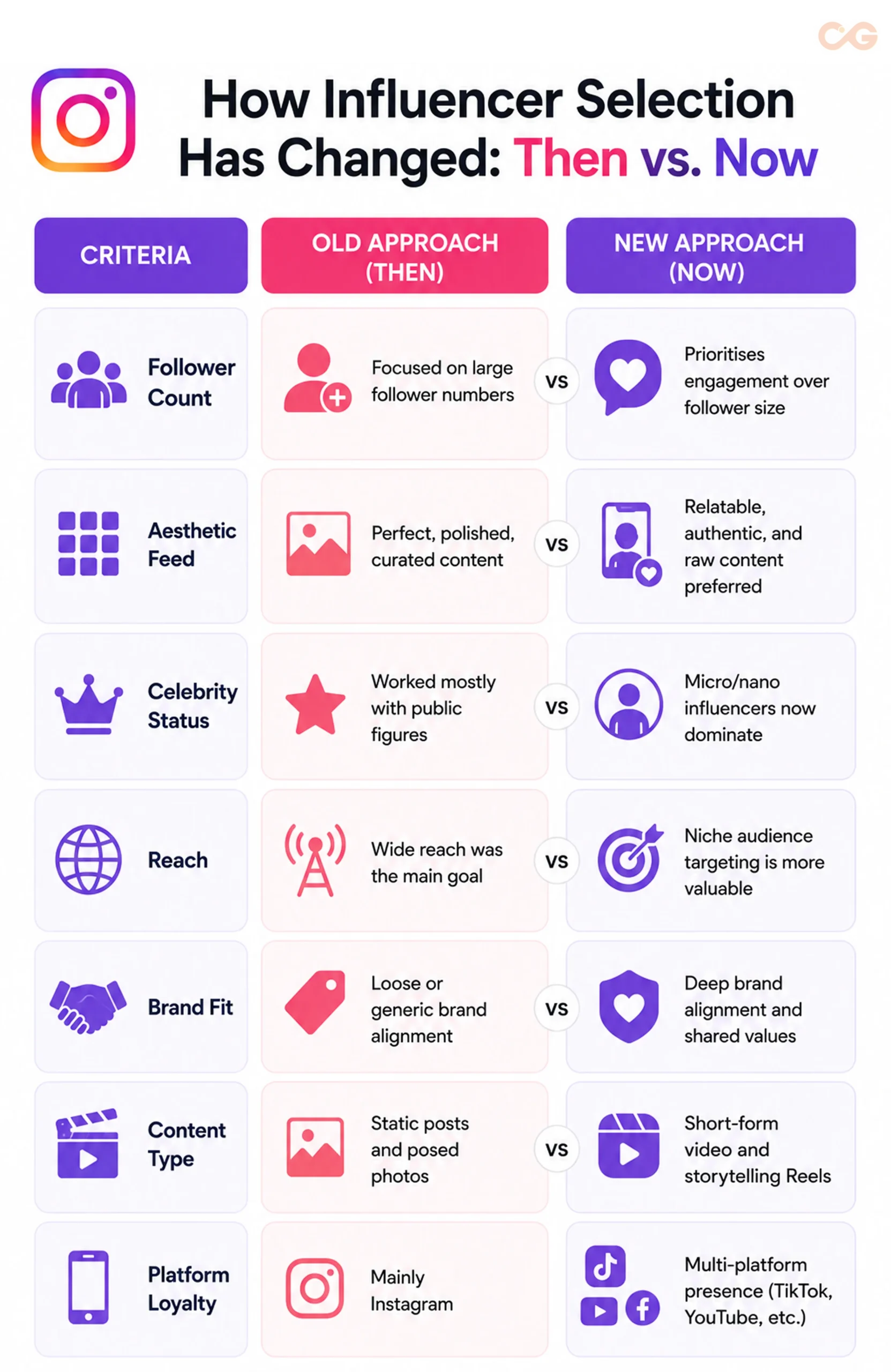
The use of influencer marketing on Instagram has evolved significantly in 2026. Rather than judging a creator primarily by follower count, brands are placing greater emphasis on quality of engagement, audience relevance, content quality, and brand alignment. This shift allows businesses to work with creators who have stronger relationships with specific communities rather than simply pursuing the largest possible reach.
What Are the New Instagram Influencer Selection Criteria?
The current approach to influencer partnerships focuses on:
- Authentic engagement: Look beyond follower counts and evaluate whether the creator has genuine interactions with their audience.
- Audience demographics: Ensure the influencer’s audience matches the brand’s target market and relevant consumer segments.
- Consistency in content quality: Assess whether the creator consistently produces content that meets the brand’s quality and communication standards.
- Brand-value alignment: Choose creators whose values, personality, and content style naturally complement the brand to support long-term partnerships.
- Measurable ROI: Use conversion tracking and campaign metrics to evaluate performance and determine whether the partnership is delivering meaningful business results.
Indian Case Study: Myntra’s Micro-Influencer Strategy
Myntra used over 1,000 Gen-Z fashion influencers, including around 500 campus creators, to promote its StyleCast platform and connect with young shoppers. These creators produced fashion-focused content, promoted trending styles, and helped Myntra build stronger engagement within Gen-Z communities.
Key takeaway: Myntra used micro-influencers and campus creators instead of relying only on celebrity influencers, making its content more relevant and relatable to its target audience.
Building Community and Engagement in 2026
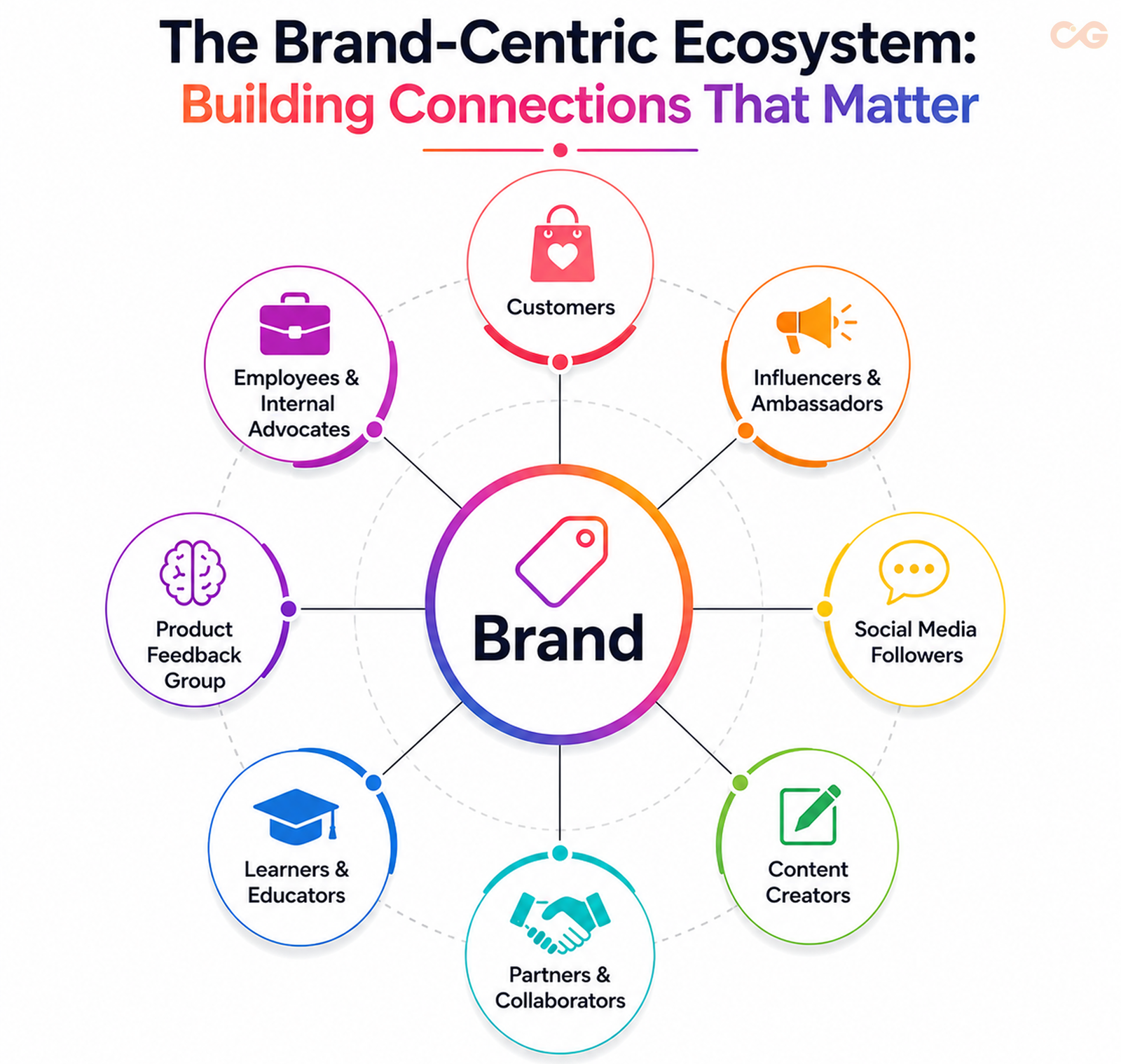
Instagram marketing in 2026 is moving beyond follower growth and reach toward building meaningful, long-term relationships with audiences. Instead of treating followers as passive viewers, brands can use conversations, exclusive experiences, user-generated content, and community participation to turn audiences into active participants and brand advocates.
How Can Brands Build Stronger Instagram Communities?
Brands can strengthen their Instagram communities by:
- Creating value-driven content: Share educational, entertaining, and useful content that gives audiences a reason to return and engage regularly.
- Encouraging two-way conversations: Use DMs, polls, questions, replies, and interactive content to create genuine conversations instead of relying only on likes and views.
- Offering exclusive experiences: Give loyal followers early access to products, special content, events, discounts, or behind-the-scenes experiences to create a stronger sense of belonging.
- Putting the community in the spotlight: Feature customer stories, reviews, user-generated content, and creator contributions to make followers feel recognised and valued.
- Creating recurring community experiences: Use challenges, live sessions, Q&As, and content series to give audiences regular opportunities to participate and connect with the brand.
What Does Authentic Engagement Look Like on Instagram in 2026?
Authentic engagement is increasingly about the quality of interactions rather than simply the number of likes or followers. Strong Instagram communities typically show:
- Meaningful conversations: Comments, replies, and DMs that reflect genuine interest rather than one-word reactions.
- Community participation: Followers actively contributing through user-generated content, discussions, reviews, and shared experiences.
- Repeat interactions: Audiences returning to engage with the brand over time, indicating an ongoing relationship rather than a one-time interaction.
- Value-driven engagement: Brands focusing on educating, helping, or entertaining their audiences instead of constantly pushing promotional messages.
- Trust and advocacy: Satisfied community members voluntarily recommending the brand, sharing its content, and becoming long-term advocates.
The goal of community-led Instagram marketing in 2026 is not simply to build a larger audience, but to build a more connected one. Brands that consistently provide value, encourage participation, and listen to their communities can turn followers into customers, advocates, and long-term supporters.
How to Measure Success: Instagram Marketing KPIs in 2026
Instagram marketing success in 2026 is no longer measured by follower counts and likes alone. Brands are increasingly focusing on engagement quality, conversions, customer value, and long-term business impact to understand whether their Instagram activity is actually contributing to growth.
What Are the Most Important Instagram Marketing KPIs in 2026?
- Engagement Quality: Measures meaningful interactions such as comments, shares, saves, replies, and DMs rather than focusing only on likes. High-quality engagement can indicate stronger audience interest and content relevance.
- Conversion Rate: Tracks the percentage of Instagram users who complete a desired action, such as making a purchase, submitting a form, signing up, or downloading a resource after interacting with Instagram content.
- Community Growth Rate: Measures how quickly an engaged and relevant audience is growing. Brands should look beyond raw follower numbers and monitor the quality and relevance of new followers.
- Content Performance: Evaluates how individual Reels, Stories, posts, and other content formats perform based on metrics such as reach, watch time, saves, shares, and interactions. AI-assisted analytics can also help identify patterns and predict which content characteristics may perform well.
- Brand Sentiment: Tracks how audiences perceive a brand by analysing the tone and context of comments, mentions, reviews, and other conversations. Monitoring sentiment can help brands identify positive trends and address potential issues early.
- Customer Lifetime Value (CLV): Estimates the long-term revenue generated by customers acquired through Instagram. This helps brands determine whether Instagram is attracting customers who continue to engage and purchase over time.
How Can Brands Set Up Advanced Instagram Analytics?
Effective Instagram measurement should connect social media activity with broader business outcomes. Brands can strengthen their analytics approach by:
The goal of Instagram analytics in 2026 is to move from simply asking “How many people engaged?” to asking “What did that engagement contribute to the business?” By combining engagement, conversion, customer, and financial metrics, brands can make more informed decisions about their Instagram strategy and investment.
Common Instagram Marketing Mistakes to Avoid in 2026
Even with the right Instagram marketing strategy, brands can limit their growth by focusing on the wrong priorities or failing to adapt to changing audience expectations. Avoiding these common mistakes can help businesses build stronger relationships, improve performance, and achieve more sustainable results.
What Are the Common Instagram Marketing Mistakes Brands Should Avoid?
- Overusing AI without human oversight: Relying too heavily on AI-generated content can make posts feel generic, repetitive, or disconnected from the brand. AI should support creativity and efficiency while human teams maintain the brand voice, originality, and emotional relevance.
- Optimising only for the algorithm: Chasing reach, trends, and algorithmic signals at the expense of audience needs can weaken long-term engagement. Brands should use performance data as a guide while paying attention to comments, DMs, feedback, and changing audience interests.
- Focusing on sales over relationships: Constantly promoting products can make an Instagram presence feel transactional. Brands should balance promotional content with educational, entertaining, community-driven, and value-focused content that builds trust over time.
- Creating friction in the mobile shopping journey: Complicated product discovery, unclear calls to action, slow-loading pages, or unnecessary steps between Instagram and checkout can lead to lost conversions. Brands should make the path from product discovery to purchase as simple as possible.
- Failing to adapt to platform and audience changes: Instagram features, content formats, user behaviour, and expectations continue to evolve. Brands that rely on outdated tactics without regularly reviewing their content and performance risk losing relevance.
Even with the right Instagram marketing strategy, brands can limit their growth by focusing on the wrong priorities or failing to adapt to changing audience expectations. Avoiding these common mistakes can help businesses build stronger relationships, improve performance, and achieve more sustainable results.
The Future Is Here: Instagram Marketing 2026 and Beyond
Instagram marketing is likely to become more personalised, predictive, immersive, and commerce-driven as technology and consumer expectations continue to evolve. While many capabilities that once seemed futuristic are already available, the next phase will focus on making these experiences more seamless and context-aware.
What Will Shape the Future of Instagram Marketing?
1. AI-Powered Content and Marketing Automation
AI is expected to move beyond assisting with individual tasks such as caption writing or content ideation. Future Instagram marketing workflows will increasingly use AI to analyse audience behaviour, identify content opportunities, generate creative variations, and optimise campaigns across the customer journey.
Human creativity will remain important, but marketers will increasingly use AI to test, personalise, and optimise content at scale.
2. More Immersive AR and Interactive Experiences
AR is likely to become more sophisticated as brands look for ways to make product discovery more interactive. Virtual try-ons, interactive filters, 3D product experiences, and immersive brand activations could make Instagram feel less like a traditional social feed and more like an interactive product and brand environment.
3. Social Commerce Becomes More Seamless
The distinction between discovering a product and purchasing it is likely to become even smaller. Product recommendations, creator content, product demonstrations, and personalised shopping experiences can increasingly connect discovery, consideration, and purchase within a single social journey.
For brands, this means Instagram may become an increasingly important part of the complete customer journey rather than simply a channel for generating awareness.
4. Predictive and Personalised Marketing
Future Instagram marketing will likely rely more heavily on predictive analytics to understand what audiences are interested in and which content or products they are most likely to engage with.
Instead of delivering the same message to everyone, brands will increasingly create different content experiences for different audience segments, while balancing personalisation with privacy expectations.
5. Search and Discovery Beyond the Traditional Feed
Instagram is increasingly becoming a destination for discovering brands, products, creators, and information—not just a place to scroll through social content. This could make search-friendly captions, descriptive content, creator recommendations, and useful visual content increasingly important for future discoverability.
How Will Consumer Behaviour Evolve?
As Instagram becomes more integrated with shopping, entertainment, search, and community, consumer expectations are likely to change as well.
Consumers are likely to expect:
- Faster and more seamless experiences: Users will increasingly expect fewer steps between discovering something interesting and taking action, whether that means learning more, contacting a brand, or making a purchase.
- More relevant experiences: Audiences will expect brands to understand their interests and deliver useful content rather than relying on generic mass messaging.
- Greater transparency around data and AI: As personalisation and AI become more common, users are likely to place greater importance on transparency, privacy, and control over how their data is used.
- Authentic recommendations: Consumers may increasingly rely on creators, customers, niche communities, and peer recommendations when evaluating products and brands.
- More meaningful brand relationships: Beyond promotional content, audiences will expect brands to provide useful information, entertainment, responsive communication, and opportunities to participate in communities.
What Does This Mean for Instagram Marketers?
The future of Instagram marketing will not simply be about adopting the latest technology. The brands most likely to succeed will be those that combine technology with creativity, relevance, authenticity, and customer understanding.
The focus will shift from simply asking “How can we get more reach?” to asking “How can we create a more relevant and valuable experience at every stage of the customer journey?”
Takeaway
Ready to turn your Instagram strategy into measurable business growth? Use this 12-month roadmap to put the key strategies from this guide into action.
Conclusion: The Future of Instagram Marketing
Instagram marketing in 2026 is no longer just about gaining followers or publishing more content. Successful brands are combining AI and emerging technologies with human creativity, authentic community building, personalised experiences, and measurable business outcomes.
The key is finding the right balance between automation and authenticity, innovation and relevance, and reach and meaningful engagement. Brands that understand their audiences, adapt to changing platform behaviour, and use technology to enhance, not replace, human connection will be better positioned for long-term growth.