
How to Leverage Micro-Influencers for Genuine Brand Growth
Table of Contents
- Introduction
- Understanding Micro-Influencers and Their Impact
- Identify the Right Micro-Influencers for Your Brand
- Crafting a Winning Collaboration Strategy
- Building Long-Term Relationships Over One-Time Promotions
- Measuring Success and Optimising Campaigns
- Case Studies and Real-World Examples of Indian Brands
- Conclusion and Next Steps
Introduction
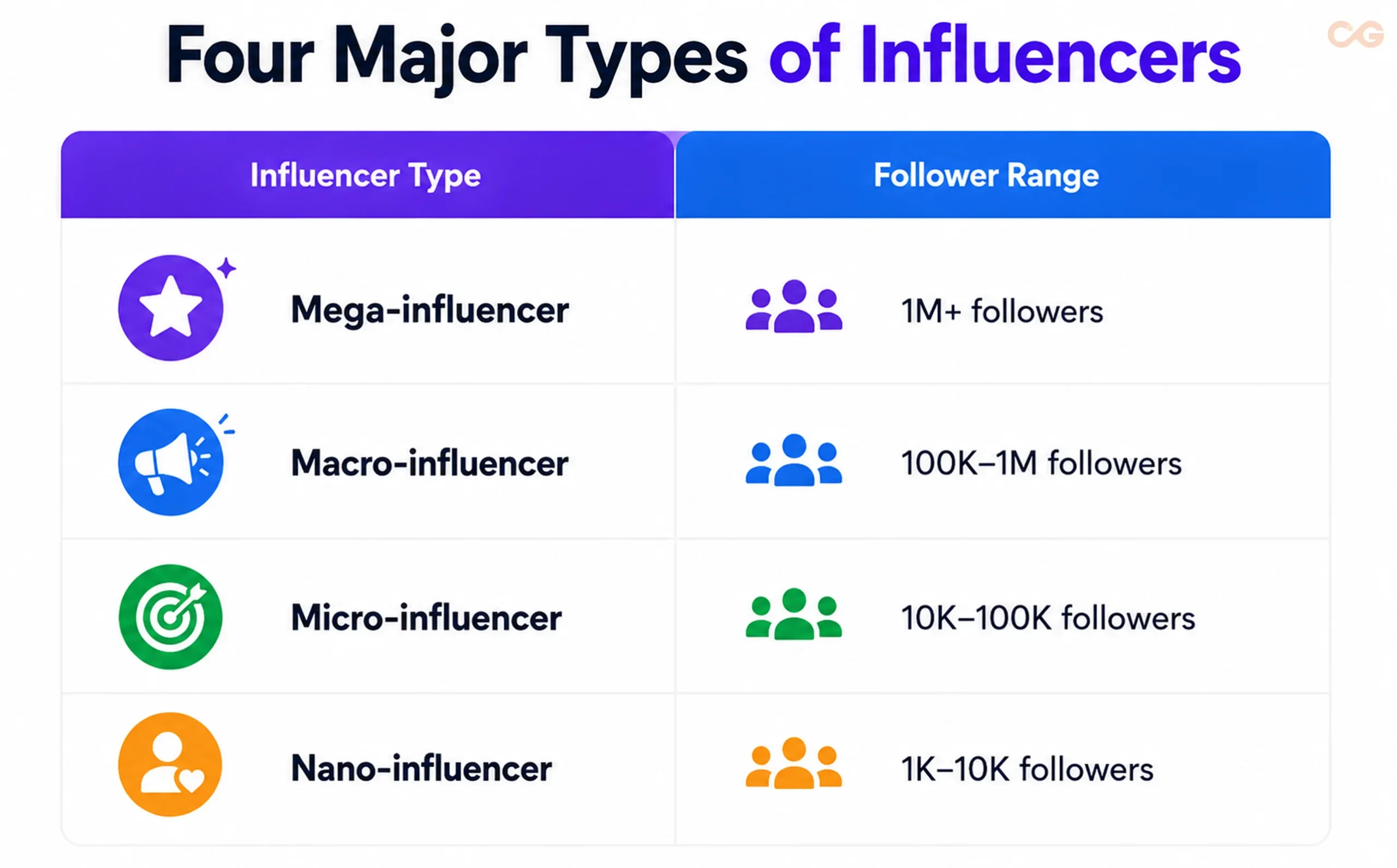
Micro-influencers are social media creators who typically have between 1,000 and 100,000 followers, according to Shopify. Unlike celebrity or macro-influencers who focus on reaching broad audiences, micro-influencers usually build their presence around specific niches and maintain closer relationships with their followers.
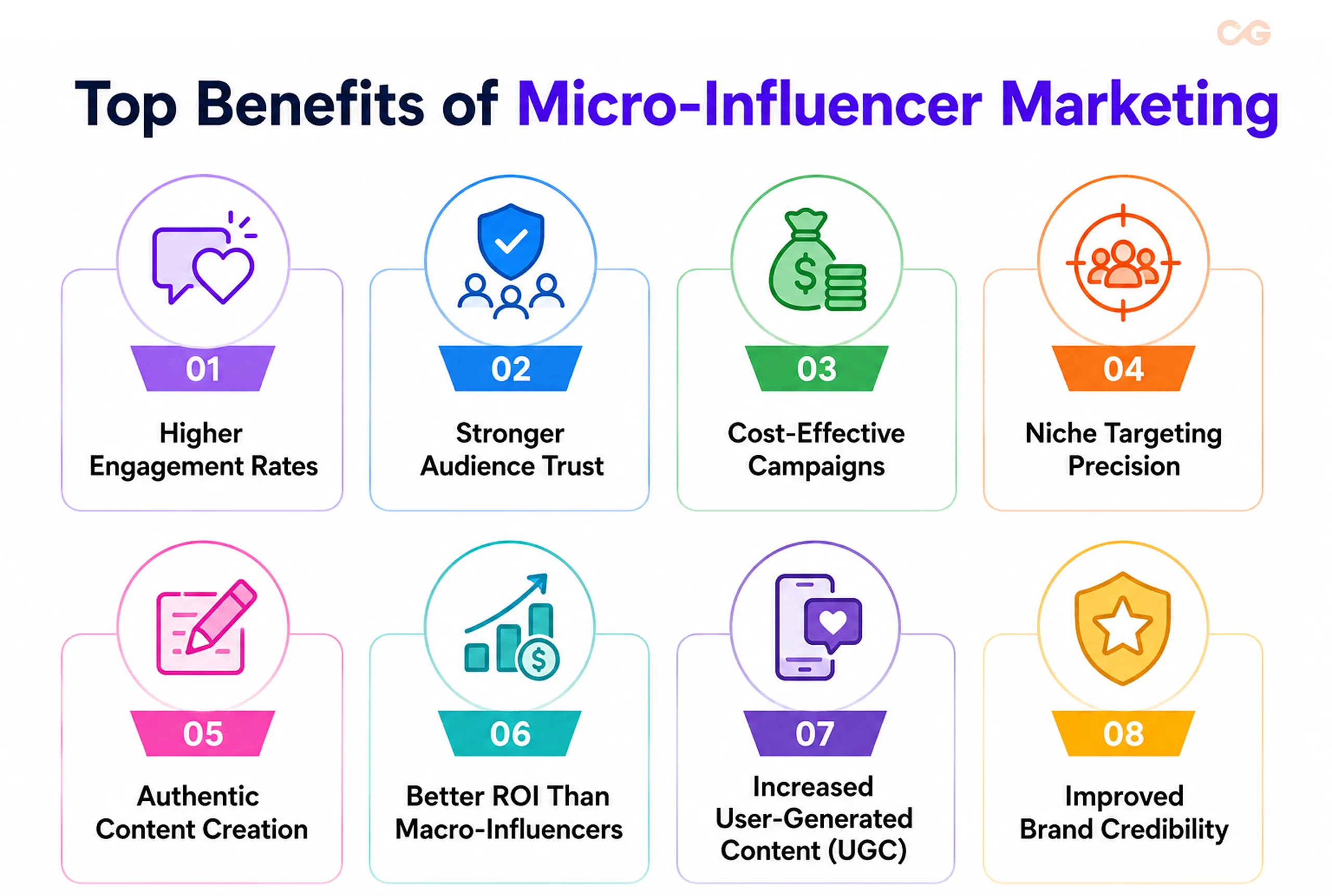
Their smaller, focused communities can make their recommendations feel more personal and relatable. This makes micro-influencers valuable to brands that want to reach targeted audiences, encourage meaningful engagement, and build credibility without relying solely on large-scale influencer campaigns.
As brands increasingly look for cost-effective ways to connect with consumers, micro-influencer marketing has gained attention for its potential to deliver strong engagement and more authentic audience interactions. According to Sprout Social, micro-influencers can achieve engagement rates of up to 6%, compared with approximately 1.97% for larger influencers, highlighting the potential value of working with creators who have highly engaged niche audiences.
For brands, the opportunity goes beyond visibility. By partnering with creators who genuinely understand their niche and audience, businesses can develop content that feels more authentic than traditional promotional messaging. The key, however, is knowing how to identify the right micro-influencers, build effective collaborations, and measure the results. This guide explores how brands can use micro-influencer partnerships to build stronger connections and support sustainable brand growth.
Understanding Micro-Influencers and Their Impact
Micro-Influencers vs Macro and Celebrity Influencers
Micro-influencers differ from macro-influencers and celebrities not only in audience size but also in how they build relationships with their followers. Macro-influencers typically reach hundreds of thousands of people, while celebrity and mega-influencers can have audiences in the millions. Their larger followings can provide greater reach, but a larger audience does not necessarily mean stronger engagement or closer audience relationships.
Micro-influencers, by comparison, generally focus on specific niches, such as vegan cooking, Indian beauty, fitness, technology, or local travel. Their specialised knowledge and familiarity with their communities can make their recommendations feel more relevant and relatable to their followers.
Because they operate within smaller, focused communities, micro-influencers can often interact more directly with their audiences through comments, direct messages, reviews, and community-focused content. This closer connection can help brands reach relevant audiences through recommendations that feel more personal and authentic.
Why Smaller, Trusted Communities Matter
A smaller audience can allow micro-influencers to develop stronger relationships with their followers. Regular interactions through comments, direct messages, product experiences, and community-focused content can create a greater sense of familiarity and trust.
For brands, the value of these communities is not simply in reaching fewer people but in reaching a more relevant audience. When an influencer’s niche and followers closely align with a brand’s target market, their recommendations can generate meaningful conversations and stronger interest in the product or service.
Engagement: A Key Advantage
Engagement is an important consideration when evaluating influencer partnerships. Although larger influencers can offer extensive reach, micro-influencers may generate stronger interactions relative to their audience size because their followers are often closely connected to the creator’s niche and content.
Some studies have reported that micro-influencer campaigns can achieve higher engagement than campaigns involving larger influencers. According to IMPACT, micro-influencer campaigns can generate significantly 60% higher engagement per post than macro-influencer campaigns.
For brands, meaningful engagement can translate into more than likes and comments. Shares, saves, clicks, questions, and other audience actions can indicate genuine interest in the content and provide useful signals for evaluating campaign performance.
Takeaway

Headline: 10 Content Formats to Create with Micro-Influencers
CTA: Looking for content ideas for your next micro-influencer collaboration? Download our free template for practical ideas you can use for your brand.
Identify the Right Micro-Influencers for Your Brand
Criteria for Selecting Micro-Influencers
Finding the right micro-influencers is about more than follower count. Brands should evaluate whether a creator’s niche, audience, and engagement align with their campaign objectives and target market.
Key criteria to consider include:
- Niche Relevance: Choose influencers whose content closely matches your product, service, or industry. For example, a technology startup could prioritise creators who regularly review gadgets, discuss digital trends, or create technology-focused content. A strong niche fit makes the creator’s recommendations more relevant to their audience.
- Engagement Quality: Look beyond the number of likes and assess whether followers actively interact with the creator’s content through meaningful comments, shares, saves, and other actions. A highly engaged audience can be more valuable than a larger but less responsive following. PopularPays considers an engagement rate above 2% to be healthy for micro-influencers.
- Audience Demographics: Check whether the influencer’s followers match your target audience in areas such as age, location, interests, and other relevant characteristics. Audience alignment helps brands avoid paying for exposure among people who are unlikely to be interested in their offering.
Tools and Methods for Influencer Discovery
Once the selection criteria are clear, brands can use a combination of discovery platforms, performance tools, and social media searches to identify suitable creators.
Upfluence and Aspire can help brands discover influencers by filtering creators based on factors such as niche, engagement, and audience characteristics.
Social Blade and Heepsy can also provide useful information for evaluating creator profiles and performance. In addition to dedicated platforms, brands can conduct manual searches on Instagram and LinkedIn using relevant hashtags, keywords, and location-based searches to discover emerging creators within their niche.
Using multiple discovery methods can help brands build a broader shortlist before assessing individual creators more closely.
Warning Signs to Watch For
Not every creator with a relevant niche and a large following will be a suitable partner. Before approaching an influencer, brands should look for signs that could indicate low-quality or inauthentic audiences.
- Fake or Suspicious Followers: Sudden, unexplained increases in follower count, unusually low engagement relative to audience size, or repetitive and irrelevant comments can indicate an audience that may not be genuinely engaged.
- Inconsistent Content: Creators who frequently switch between unrelated topics or post irregularly may have difficulty maintaining a consistent connection with their audience. Brands should look for creators whose content remains relevant to their niche and target audience.
- Excessive Sponsored Content: If an influencer’s feed is dominated by paid promotions, their recommendations may appear less authentic and audiences may become less responsive to sponsored content. Look for creators who maintain a healthy balance between sponsored and organic content.
The goal is not to find the influencer with the largest following, but the creator whose niche, audience, engagement, and content style best fit the brand. A focused shortlist makes it easier to move into the next stage: building a collaboration strategy that works for both the brand and the creator.
Crafting a Winning Collaboration Strategy
Once you have shortlisted the right micro-influencers, the next step is to plan the collaboration carefully. Start by deciding what you want to achieve, choose a campaign format that supports that goal, and give the creator enough freedom to present your brand in a way that feels natural to their audience.
Setting Clear Objectives
Every influencer marketing campaign should begin with a clear goal. Are you trying to increase brand awareness, generate leads, drive website traffic, encourage product trials, collect user-generated content, or increase sales?
The answer will shape the rest of the campaign. For example, an awareness campaign may focus on reach and engagement, while a sales-focused campaign should pay closer attention to clicks, conversions, and revenue.
Clear objectives also make it easier to choose the right influencers, decide what type of content to create, and measure whether the campaign delivered the expected results.
Choosing the Right Campaign Type
Once you know what you want to achieve, choose a campaign format that fits both your objective and the influencer’s content style.
- Sponsored Posts: Partner with influencers to create and publish content featuring your brand or product. This is a straightforward way to increase brand awareness and introduce your offering to a relevant audience.
- Product Gifting: Send products to selected influencers and invite them to share their genuine experience. When the product is a natural fit for the creator, this can lead to authentic reviews, demonstrations, and user-generated content.
- Affiliate Marketing: Give influencers unique links or discount codes and reward them for the sales or leads they generate. This works particularly well when you want to connect influencer activity directly to measurable conversions.
- Brand Ambassador Programs: Build ongoing relationships with creators who consistently fit your brand and connect well with your target audience. Over time, these creators can become trusted advocates who feature your brand across multiple campaigns.
According to Supliful Statistics, 89% of marketers reported an increase in ROI through influencer marketing compared to other marketing channels.
The right campaign type should feel like a natural extension of the influencer’s usual content rather than a promotional format chosen simply because it is popular.
Takeaway
Headline: 10 Content Formats to Create with Micro-Influencers
CTA: Looking for content ideas for your next micro-influencer collaboration? Download our free template for practical ideas you can use for your brand.
Give Influencers Creative Freedom
Micro-influencers know their audiences well. They understand what their followers respond to, how they prefer to communicate, and which types of content feel natural on their platform. Giving them room to use that knowledge can make branded content feel more genuine.
Instead of controlling every word or visual, brands can provide the essential campaign goals, key messages, brand guidelines, and content requirements while allowing the influencer to decide how to present them.
For example, rather than handing an influencer a word-for-word script, a brand could explain the key product benefits and let the creator demonstrate them in their own style. This keeps the important brand messaging intact while allowing the content to feel authentic to the influencer’s audience.
The goal is to find the right balance: give the brand enough control to protect its message, but give the influencer enough freedom to make the content their own.
Building Long-Term Relationships Over One-Time Promotions
A successful influencer campaign does not have to end when the content is published. If a micro-influencer consistently connects with the brand’s target audience and delivers relevant content, the relationship can grow into a long-term partnership. These ongoing collaborations can create greater familiarity with the brand while making future promotions feel more natural to the audience.
Creating Content in Collaboration
Long-term partnerships give brands and influencers more opportunities to create content together rather than relying on one-off promotional posts. Work with creators to develop ideas that match their audience’s interests while still supporting the brand’s messaging and campaign goals.
For example, brands can collaborate with influencers on live Q&A sessions, product demonstrations, tutorials, behind-the-scenes stories, or recurring content series. Because these formats allow creators to use their own style and expertise, the resulting content can feel more natural, engaging, and shareable.
Engaging Influencers as Brand Advocates
As the relationship develops, treat successful influencers as brand partners rather than one-time paid promoters. Involve them in activities where their experience and audience understanding can add value, such as gathering product feedback, testing new offerings, or inviting them to exclusive brand events.
This deeper involvement can help creators understand the brand beyond an individual campaign and make their future recommendations more informed and credible. Over time, the strongest partnerships can turn micro-influencers into genuine brand advocates who consistently support and represent the brand.
The Value of Ongoing Partnerships
The value of a long-term influencer relationship goes beyond a single campaign. As creators become familiar with the brand, their content can become more natural, while repeated exposure can help audiences recognise and remember the brand.
Ongoing partnerships also give brands more opportunities to learn what content resonates with a creator’s audience and refine future campaigns accordingly. Rather than constantly starting new collaborations from scratch, brands can invest in creators who have already demonstrated strong audience fit and campaign performance.
The goal is not simply to work with the same influencer repeatedly, but to build mutually valuable relationships where the creator can grow with the brand and the audience continues to see the partnership as credible and relevant.
Measuring Success and Optimising Campaigns
Influencer marketing should not end when the content goes live. Once a campaign is running, brands need to look at both quantitative performance data and qualitative audience feedback to understand what worked, what did not, and what should change in the next campaign.
Key Performance Indicators (KPIs) to Track
The right KPIs depend on the campaign objective. Rather than focusing on follower count or likes alone, track metrics that show whether the collaboration is contributing to the intended outcome.
- Engagement Rate: Monitor likes, comments, shares, and saves to understand how actively the audience is responding to the content. Meaningful interactions can indicate that the creator’s content is resonating with their community.
- Click-Through Rate (CTR): Use unique tracking links or UTM parameters to measure how many people visit your website or landing page after interacting with the influencer’s content. This is particularly useful for campaigns focused on traffic, lead generation, or product discovery.
- Conversions: Track purchases, sign-ups, downloads, enquiries, or other desired actions that can be attributed to the campaign. Unique discount codes, affiliate links, and conversion tracking can help connect influencer activity to measurable outcomes.
- Reach and Impressions: Measure how many people saw the content and how often it was displayed. These metrics are especially useful for campaigns designed to increase brand awareness.
- Return on Investment (ROI): Compare the revenue or measurable value generated by the campaign with the total campaign cost. This helps determine whether the partnership delivered sufficient business value and whether similar collaborations are worth repeating.
The most useful approach is to match each KPI to the campaign objective. For example, reach and engagement may matter most for an awareness campaign, while clicks and conversions are more important when the goal is to generate leads or sales.
Analyse Brand Sentiment
Numbers do not always tell the complete story. Pay attention to how people talk about your brand after seeing influencer content. Comments, reviews, mentions, and conversations can reveal whether the campaign is creating positive associations, raising concerns, or generating questions about your product.
Social listening tools can help brands monitor these conversations and identify changes in audience sentiment. This qualitative feedback can be particularly useful for understanding how audiences perceive the influencer’s recommendation and whether the collaboration is strengthening brand credibility.
Turn Feedback Into Better Campaigns
A campaign should also be treated as a learning opportunity. After each collaboration, collect feedback from both the influencer and the audience.
Influencers can provide useful insights into which messages, formats, or products generated the strongest response, while audience comments and questions can reveal what people liked, misunderstood, or wanted to know more about.
Use these insights to refine future campaigns by:
- Repeating high-performing content formats that generated strong engagement or conversions.
- Adjusting messaging when audiences respond better to certain product benefits or communication styles.
- Refining influencer selection based on audience fit and campaign performance.
- Improving calls to action when clicks or conversions fall below expectations.
- Testing new content approaches to identify opportunities for stronger engagement.
The goal is not simply to determine whether a campaign was successful or unsuccessful. It is to learn from each collaboration and use those insights to make the next campaign more targeted, relevant, and effective.
Case Studies and Real-World Examples of Indian Brands
Real-world campaigns show how the strategies discussed above can work in different situations. The following examples demonstrate how Indian brands have used micro- and nano-influencers for local targeting, audience engagement, and measurable campaign outcomes.
BGauss: Hyper-Local Micro-Influencer Campaign
Campaign Overview:
Indian electric vehicle brand BGauss launched the #BGaussDiwaliKiSawaari campaign during Diwali, working with micro-influencers across different Indian cities. The creators used a branded Instagram filter, shared festive content, and added personal captions to connect the campaign with their local audiences.
Results:
The three-day campaign generated 300,000+ impressions, 41,000+ engagements, and 254,000+ reach, according to the published case study.
Why It Worked
The campaign combined regional relevance with creator-led content. By working with influencers connected to specific local communities, BGauss could make the campaign feel more relevant to audiences in different markets. Its phased approach—from teaser content to the contest and influencer spotlight—also helped maintain interest throughout the campaign.
Key Takeaway
For brands targeting multiple local markets, partnering with creators who understand their regional audiences can make campaigns more relatable. A phased campaign can further sustain attention instead of relying on a single promotional post.
Meesho: Regional Micro- and Nano-Influencer Campaign
Campaign Overview:
Meesho worked with more than 300 nano- and micro-influencers across Tier-2 and Tier-3 cities, particularly in Hindi-speaking regions such as Bihar, Uttar Pradesh, Madhya Pradesh, and Chhattisgarh. The campaign used formats such as product hauls, regional messaging, and short-form videos to introduce the platform to local audiences.
Reported Results
According to InfluencerHai’s published case study, the campaign generated 67,000+ app downloads, a reported 9.8% engagement rate, and an 82% repeat-collaboration rate. The case study also reported a ₹12.36 cost per acquisition.
Why It Worked
The campaign focused on localisation, using creators who communicated in languages and styles familiar to their audiences. Product hauls, reviews, and practical recommendations also gave creators opportunities to demonstrate the platform in ways that suited their communities.
Key Takeaway
Regional creators can help brands reach audiences that may be difficult to engage through broad, one-size-fits-all campaigns. Combining localised content with measurable tracking can also help brands identify high-performing creators and build stronger partnerships over time.
What These Campaigns Demonstrate
Both examples highlight an important principle of micro-influencer marketing: success is not simply about reaching the largest possible audience. BGauss used local creators to support awareness and engagement, while Meesho used regional creators and measurable outcomes to support app acquisition. In both cases, audience relevance and localisation played an important role in connecting brands with specific communities.
Takeaway
Headline: 10 Content Formats to Create with Micro-Influencers
CTA: Looking for content ideas for your next micro-influencer collaboration? Download our free template for practical ideas you can use for your brand.
Conclusion and Next Steps
Micro-influencers can give brands a more focused way to connect with niche audiences through relevant, creator-led content. Their value goes beyond follower count: strong audience relationships, niche expertise, and meaningful engagement can help brands build awareness and credibility while reaching consumers who are more likely to relate to the recommendation.
To make the most of these partnerships, brands should start by identifying micro-influencers whose niche, audience, content style, and values align with their goals. Rather than focusing only on reach, evaluate audience quality and engagement, choose campaign formats that match the objective, and give creators enough creative freedom to communicate in their own voice.
As campaigns grow, use performance data and audience feedback to understand what is working. Track relevant metrics such as engagement, clicks, conversions, reach, and ROI, then use those insights to refine content, messaging, influencer selection, and future collaborations. Building on partnerships that consistently deliver value can help brands develop stronger creator relationships instead of relying on one-time promotions.
Ultimately, successful micro-influencer marketing is not about working with as many creators as possible. It is about choosing the right creators, building genuine partnerships, measuring meaningful outcomes, and continuously improving the strategy. With a thoughtful approach, brands can turn niche creator relationships into a sustainable channel for brand awareness, audience trust, and long-term growth.