
Facebook Content Strategy for Small Businesses: The Ultimate Guide to Engagement and Growth in 2026

Table of Contents
- Creating a Powerful Facebook Presence
- Section 1: Facebook Content Strategy Foundation
- Section 2: Workable Content Types
- Section 3: Designing the Content Calendar
- Section 4: Creating Effective Facebook Content
- Section 5: Engagement-Driven Content
- Section 6: Content Repurposing Strategies
- Section 7: Testing and Optimisation
- Conclusion
Do you find it difficult to make your small business stand out on Facebook? You’re not alone. Facebook remains the biggest social media platform, with more than 3 billion monthly users worldwide, according to ZIK. For small businesses, standing out in such a crowded space can feel challenging. However, a strategic Facebook content strategy is not just convenient – it is essential for building visibility, engagement, and growth in today’s digital market.
This complete guide will walk you through a practical Facebook marketing content ideas framework designed for small businesses. From developing a consistent brand voice to creating a Facebook content calendar for small businesses that keeps your audience engaged, you’ll learn how to turn your Facebook presence into a genuine growth engine rather than treating it as an afterthought.
A Facebook content strategy is important for small businesses because it provides a clear plan for what to post, who to target, and how to engage with customers. It helps businesses maintain consistency, communicate their brand effectively, build meaningful audience relationships, and use Facebook more purposefully to support their marketing and business goals.
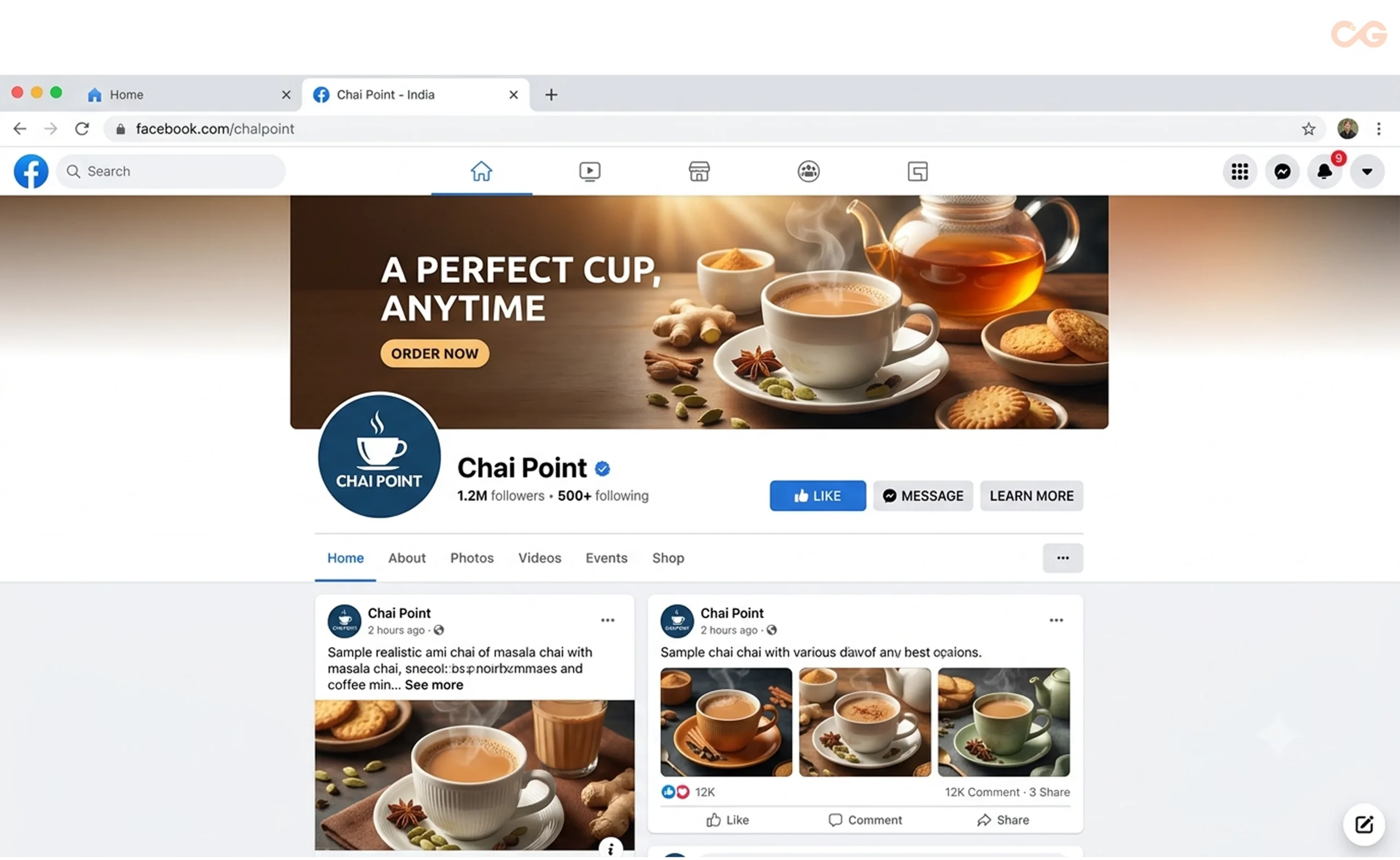
Take the case of Chai Point, a small Indian tea chain that began with one cart in Bangalore. The brand has built a community of more than 141K followers through strategic Facebook content, including customer testimonials and behind-the-scenes glimpses of tea masters at work. It also intends to establish 300 more outlets by 2026, according to Z Business.
A key part of this approach is maintaining a consistent Facebook content calendar for a small business that balances educational content around tea culture with engaging user-generated content. This demonstrates how consistent, audience-focused content can help a growing business build a strong Facebook community and support long-term growth.
Creating a Powerful Facebook Presence
Section 1: Facebook Content Strategy Foundation
A strong Facebook presence starts with a clear understanding of who you want to reach, how you want your brand to sound, and what value you want to consistently provide. Before creating posts, establish these three foundations to ensure your content is relevant, recognisable, and aligned with your business goals.
Know Your Audience on Facebook
You should understand your audience before creating your first post. Facebook attracts users across different age groups, interests, locations, and behaviours, so a one-size-fits-all approach rarely works. Your Facebook content strategy should begin with audience research to identify who your ideal customers are and what type of content they are most likely to engage with.
Use available Facebook audience and page insights to understand factors such as age, gender, location, interests, engagement patterns, and content preferences. Combine these insights with customer feedback and your existing business data to build a clearer picture of your audience.
Industry Example:
Nykaa uses customer insights to understand different beauty needs and preferences, creating content around beauty tutorials, product reviews, how-to guides, trends, and expert advice. This audience-focused approach helps the brand make its content more relevant and useful, showing small businesses why understanding customer needs should come before planning their Facebook content.
Practical Audience Research Methods
Social Listening: Monitor conversations, questions, and discussions around your industry using platforms such as Hootsuite or Sprout Social. This can help identify emerging trends, customer concerns, and topics worth addressing.
Competitor Analysis: Review the content published by similar businesses and identify the formats, topics, and messaging that generate meaningful engagement. Use these insights to identify opportunities rather than simply copying competitors.
Customer Surveys: Ask existing customers about their interests, challenges, content preferences, and reasons for choosing your business. Their responses can help you create content that addresses real customer needs.
Facebook Analytics: Review available page and content performance data to understand which posts attract the most reach, engagement, clicks, and audience interaction.
Download this template as a printable PDF and share it with your team
Develop a Consistent Brand Voice
Your brand voice is the personality your business communicates through its Facebook content. A consistent voice makes your posts recognisable and helps audiences understand what your brand stands for.
For small businesses, an authentic and relatable voice can be more effective than overly polished corporate communication. The key is to choose a personality that reflects your brand while making your audience feel comfortable engaging with you.
Brand Voice Framework
Choose 3-4 characteristics that describe how your brand should communicate. For example, a small business could use a friendly, knowledgeable, innovative, and approachable voice.
2. Adapt the Tone to the Content
Your brand voice should remain consistent, but the tone can change depending on the situation:
- Educational posts: Clear, practical, and informative
- Behind-the-scenes content: Casual, authentic, and conversational
- Promotional posts: Persuasive without being overly sales-focused
- Customer responses: Helpful, empathetic, and solution-oriented
- Community posts: Friendly, relatable, and encouraging
Indian Case Study: Paper Boat Drinks
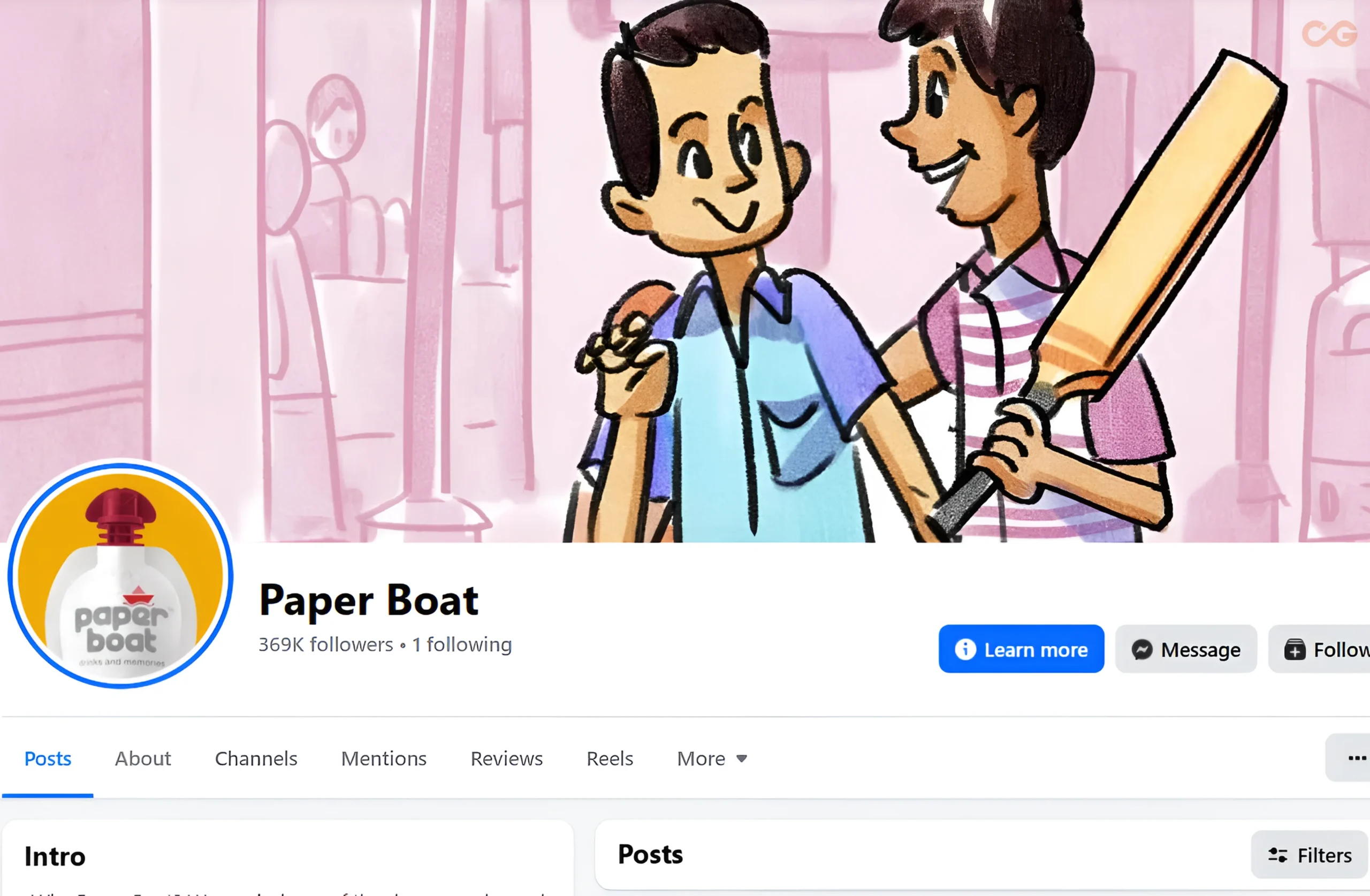
Paper Boat Drinks developed a distinctive brand voice around nostalgia, traditional Indian beverages, and childhood memories. Its storytelling-led communication used familiar cultural experiences to create an emotional connection with consumers, showing how a consistent, relatable brand voice can make a business more memorable and strengthen its relationship with its audience.
Brand Voice Exercise: Write the same product announcement in three different tones – friendly, professional, and playful. Compare the versions with a small group of customers or team members and identify which tone best reflects your brand and resonates with your audience.
Identify Your Content Pillars
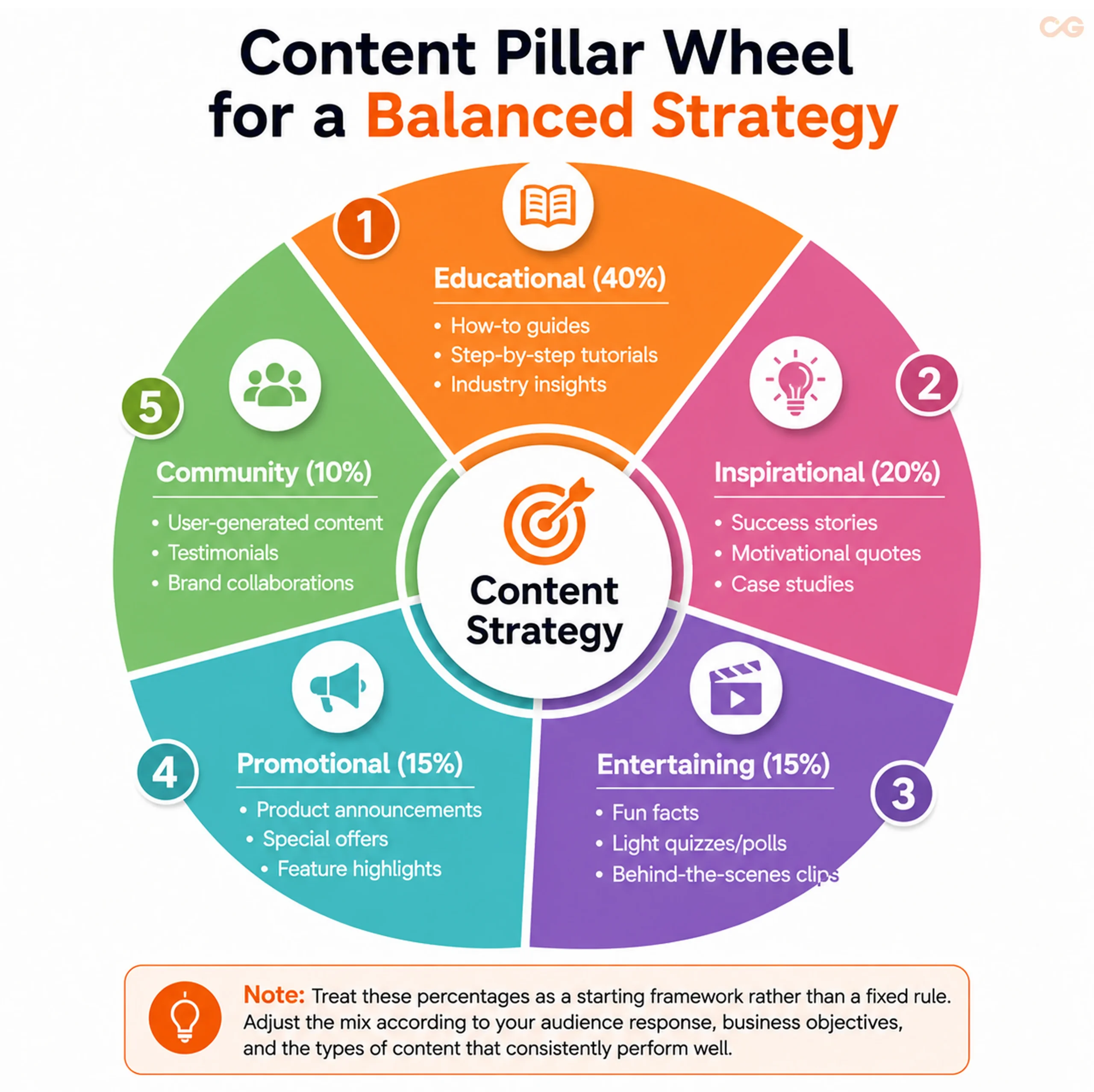
Facebook marketing content pillars are the 3-5 core themes that guide what your business regularly posts. They prevent your content from becoming repetitive while ensuring that every post contributes to a consistent brand message.
5-Pillar Framework for Small Businesses
1. Educational Content
Share industry tips, how-to guides, practical advice, and problem-solving content. Focus on answering common customer questions and simplifying topics your audience may find difficult.
2. Behind-the-Scenes Content
Show your team, workspace, production process, daily operations, or the people behind your business. This gives customers a more authentic view of your brand and helps build familiarity and trust.
3. User-Generated Content
Feature customer reviews, testimonials, photos, videos, and experiences. UGC provides social proof while encouraging customers to participate in your brand community.
4. Promotional Content
Highlight products, services, launches, offers, events, and important updates. Keep promotional posts customer-focused by clearly communicating the value or problem your offering solves.
5. Entertainment & Lifestyle Content
Use relatable stories, light humour, seasonal topics, quizzes, polls, and relevant trends to keep your Facebook feed engaging. The aim is to create content that people want to interact with or share, even when they are not ready to buy.
Section 2: Workable Content Types
Once you have defined your audience, brand voice, and content pillars, the next step is choosing content formats that deliver value and encourage interaction. A strong Facebook content strategy should use a balanced mix of educational, behind-the-scenes, user-generated, and promotional content rather than relying on a single format.
Educational Content: Build Authority and Provide Value
Educational content helps small businesses demonstrate expertise while giving their audience useful information. Instead of constantly promoting products or services, use Facebook content to answer customer questions, solve common problems, and explain relevant industry topics.
1. How-To Carousel Posts
Break complex processes into simple, visual steps. For example, a local bakery could create a carousel titled “5 Steps to Perfect Bread Rising”, with one practical tip on each slide.1. How-To Carousel Posts
Break complex processes into simple, visual steps. For example, a local bakery could create a carousel titled “5 Steps to Perfect Bread Rising”, with one practical tip on each slide.
2. Myth-Busting Posts
Address common misconceptions using a simple Myth → Reality → Why It Matters structure. This helps correct misinformation while positioning your business as a reliable source of information.
3. Tool and Resource Roundups
Recommend useful tools, apps, websites, or resources relevant to your audience. Explain what each resource does and why it may be useful instead of simply listing options.
4. Trend Analysis
Break down relevant industry trends in simple language and explain how they may affect your customers. This keeps your content useful and current while demonstrating industry awareness.
Behind-the-Scenes Content: Develop Real Connections
Behind-the-scenes content gives your audience a closer look at the people, processes, and experiences behind your business. For small businesses, this can be particularly effective because it adds personality and authenticity to the brand.
Behind-the-Scenes Content Ideas:
1. Process Documentation
Show how your products are made or how your services are delivered. For example, a jewellery business could document the journey from the initial design to the finished piece.
2. Team Spotlights
Introduce team members, their roles, interests, and contributions. Sharing their stories helps customers connect with the people behind the business.
3. Workspace Tours
Give your audience a virtual tour of your office, workshop, studio, or store. Highlight details that reflect your brand personality.
4. Day-in-the-Life Content
Show what a typical working day looks like, from opening the store to completing customer orders. This format works particularly well as short-form video.
5. Challenge and Problem-Solving Content
Share how your team handles real business challenges, such as fulfilling a difficult order or resolving an unexpected customer problem. This makes your business more relatable while showing the effort behind your work.
User-Generated Content: Let Customers Tell Your Story
User-generated content (UGC) includes customer reviews, photos, videos, testimonials, and experiences featuring your brand. It provides social proof while giving customers an opportunity to become active participants in your Facebook community.
1. Branded Hashtag Campaigns
Create a simple branded hashtag that customers can use when sharing their experiences. Feature relevant customer posts on your Facebook Page with permission.
2. Review and Testimonial Campaigns
Encourage satisfied customers to share genuine reviews, photos, or experiences. If you offer incentives, clearly communicate the terms and ensure participation does not require a positive review.
3. UGC Contests
Invite customers to submit photos, videos, or creative product-use ideas around a specific theme. Keep entry requirements simple and communicate the rules clearly.
4. Customer Story Features
Regularly highlight customer experiences, success stories, transformations, or creative ways they use your products or services.
5. Community Challenges
Create simple, relevant challenges that encourage customers to participate, share their experiences, and interact with one another.
Promotional vs. Non-Promotional Content
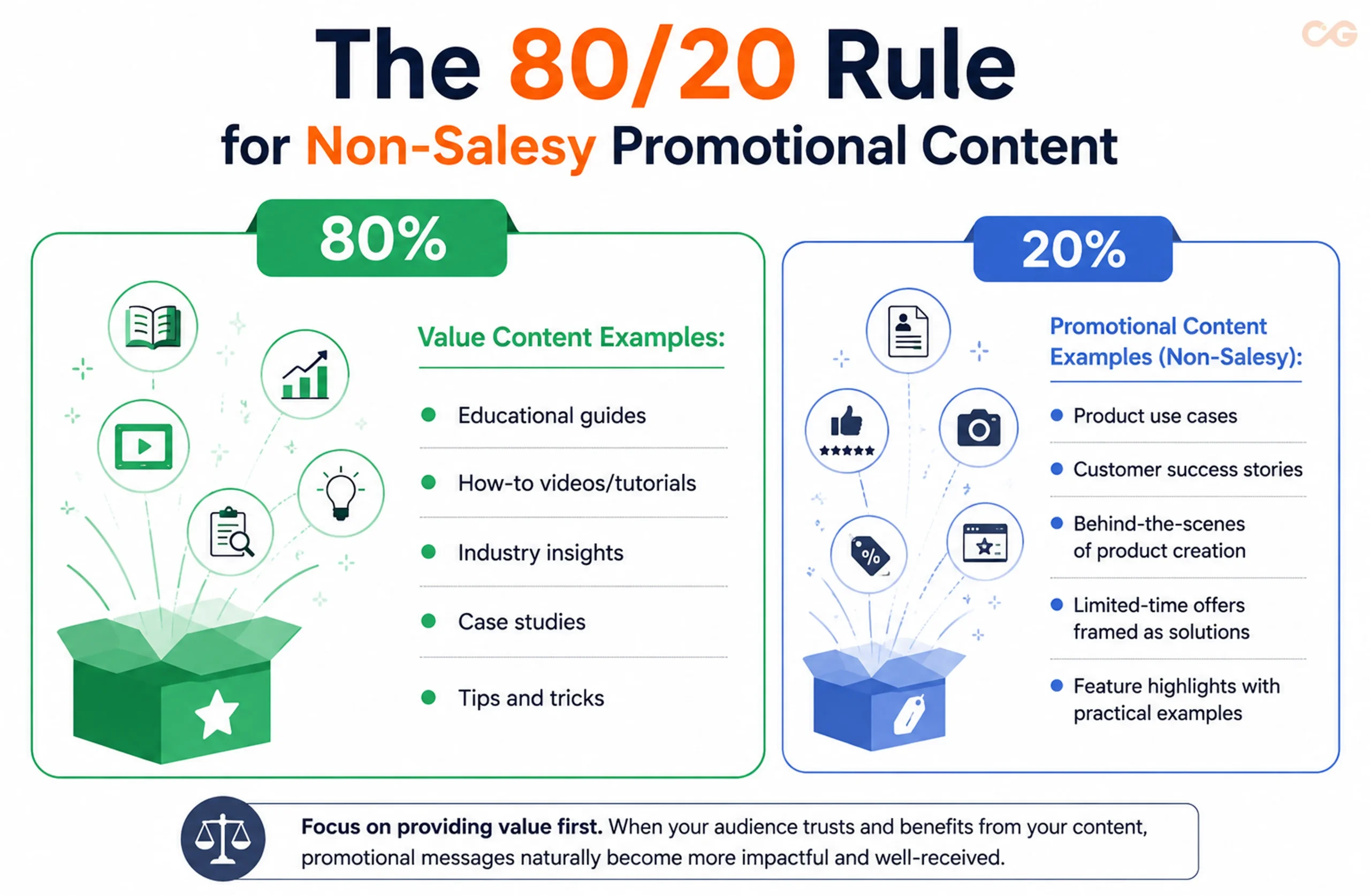
A balanced Facebook content strategy should provide value beyond direct sales. The commonly used 80/20 approach suggests keeping most content useful, educational, entertaining, or community-focused while using a smaller portion for direct promotion. However, treat this as a flexible guideline rather than a fixed rule.
The goal is to make promotional content useful rather than making every post feel like an advertisement.
Ways to Make Promotional Content More Valuable:
1. Educational Promotions
Explain how a product or service works, who it is suitable for, or how customers can get better results from it instead of simply announcing a discount.
2. Story-Driven Promotions
Share the story behind a product, service, launch, or business decision to give the promotion a stronger human connection.
3. Problem-Solution Promotions
Start with a genuine customer problem and demonstrate how your product or service can address it. This makes the promotional message more relevant and useful.
4. Social Proof Promotions
Combine product information with authentic customer testimonials, reviews, case studies, or user-generated content to demonstrate real-world value.
Your Facebook feed should not feel like a catalogue of products. It should give people useful reasons to follow, engage with, trust, and eventually choose your business.
Takeaway

Plan your Facebook content at least one month ahead, identify relevant seasonal opportunities, and use the calendar below to organise campaigns, content pillars, and key events throughout the year.
Section 3: Designing the Content Calendar
Monthly Planning Framework
A well-planned Facebook content calendar for small business provides a clear structure for creating and publishing content consistently. Instead of scrambling for ideas or posting randomly, a monthly calendar helps you align content with business goals, audience interests, seasonal opportunities, and important events.
The Monthly Planning Process:
Week 1: Strategic Planning
Review the previous month’s performance to identify the content, topics, and formats that generated the strongest results. Set the month’s key themes and objectives, then plan seasonal campaigns, events, product launches, and other timely opportunities.
Week 2: Content Creation
Develop the month’s captions, graphics, videos, and other content assets. Prepare content for each content pillar and launch any planned user-generated content campaigns. Creating content in batches saves time and helps maintain consistency throughout the month.
Week 3: Review and Refinement
Review every post for accuracy, tone, brand consistency, visual quality, and relevance. Check that your content pillars are properly balanced and incorporate relevant trends where appropriate. Finalise captions, creative assets, hashtags, links, and calls to action before scheduling.
Week 4: Scheduling and Backup Planning
Schedule approved posts using Meta’s publishing tools or suitable third-party platforms. Prepare backup content for unexpected gaps and establish a process for real-time posts, audience responses, and timely engagement. This gives your team flexibility without disrupting the overall content plan.
Posting Frequency Recommendations
There is no single posting frequency that works for every small business. The right approach depends on your industry, audience, resources, and content quality. Consistency is more important than simply increasing the number of posts, so choose a frequency your business can maintain without compromising quality.
Business Type: Optimal Frequency of Posting
Retail/Consumer Goods
Aim for 9 posts each week to maintain visibility. You can use mornings for educational or behind-the-scenes content and evenings for product showcases or customer highlights, creating a balance between awareness and conversions, as per Hootsuite.
Service-Based Businesses
Aim for 8-11 posts weekly, focusing on a mix of educational, informative, and relationship-building content. For example, Monday can feature motivation or industry insights, Wednesday can focus on helpful how-to content, and Friday can highlight team members or behind-the-scenes activities.
Restaurants/Food Businesses
Publish 1-3 posts daily, featuring specials, behind-the-scenes kitchen content, new dishes, and customer photos. Frequent, visually appealing content can help keep the brand visible while showcasing the experience customers can expect.
B2B Small Businesses
Post 3-4 times a week, with an emphasis on educational content, thought leadership, industry insights, case studies, and practical advice. This helps establish expertise while keeping the brand consistently visible to professional audiences.
Optimal Posting Times for the Indian Audience
Use these time slots as a starting point and refine them based on your own Facebook audience insights:
- Monday-Friday: 9-10 AM and 7-9 PM
- Weekends: 11 AM-1 PM and 6-8 PM
- Festivals and holidays: Adjust timing based on audience activity and celebration patterns.
Remember: A posting schedule should be a starting framework, not a rigid rule. Monitor when your audience is most active and adjust your publishing times based on actual engagement and performance data.
Section 4: Creating Effective Facebook Content
Visual Content: Making Your Posts Stand Out
Facebook is a visually driven platform, and posts with images can generate 2.3 times more interactions than text-only posts, as per BuzzSumo. For small businesses, effective visuals do not require expensive equipment. Clear photography, consistent branding, and purposeful design can make content more recognisable and engaging.
Basic Photography Guidelines:
1. Use Good Lighting
Use natural window light whenever possible to create clear, balanced images. Avoid harsh shadows and use a simple white board or reflector to soften them.
2. Follow Simple Composition Principles
Use the rule of thirds, leading lines, and negative space to create balanced images. Keep the main product or subject clearly visible rather than overcrowding the frame.
3. Keep Backgrounds Clean
Choose simple backgrounds that complement the product without distracting from it. Consistent backgrounds, textures, or settings can also help create a recognisable visual style.
Small Business Photography Setup:
- Camera: A modern smartphone, such as an iPhone, Google Pixel, or Samsung Galaxy, is sufficient for most Facebook content.
- Lighting: Use natural window light or an affordable ring light for consistent illumination.
- Background: Use a clean wall, wooden surface, plain backdrop, or brand-relevant setting.
- Props: Include relevant props that support the product story without taking attention away from the main subject.
- Editing: Use tools such as Canva, VSCO, or Adobe Lightroom to make basic adjustments while keeping colours and image quality consistent.
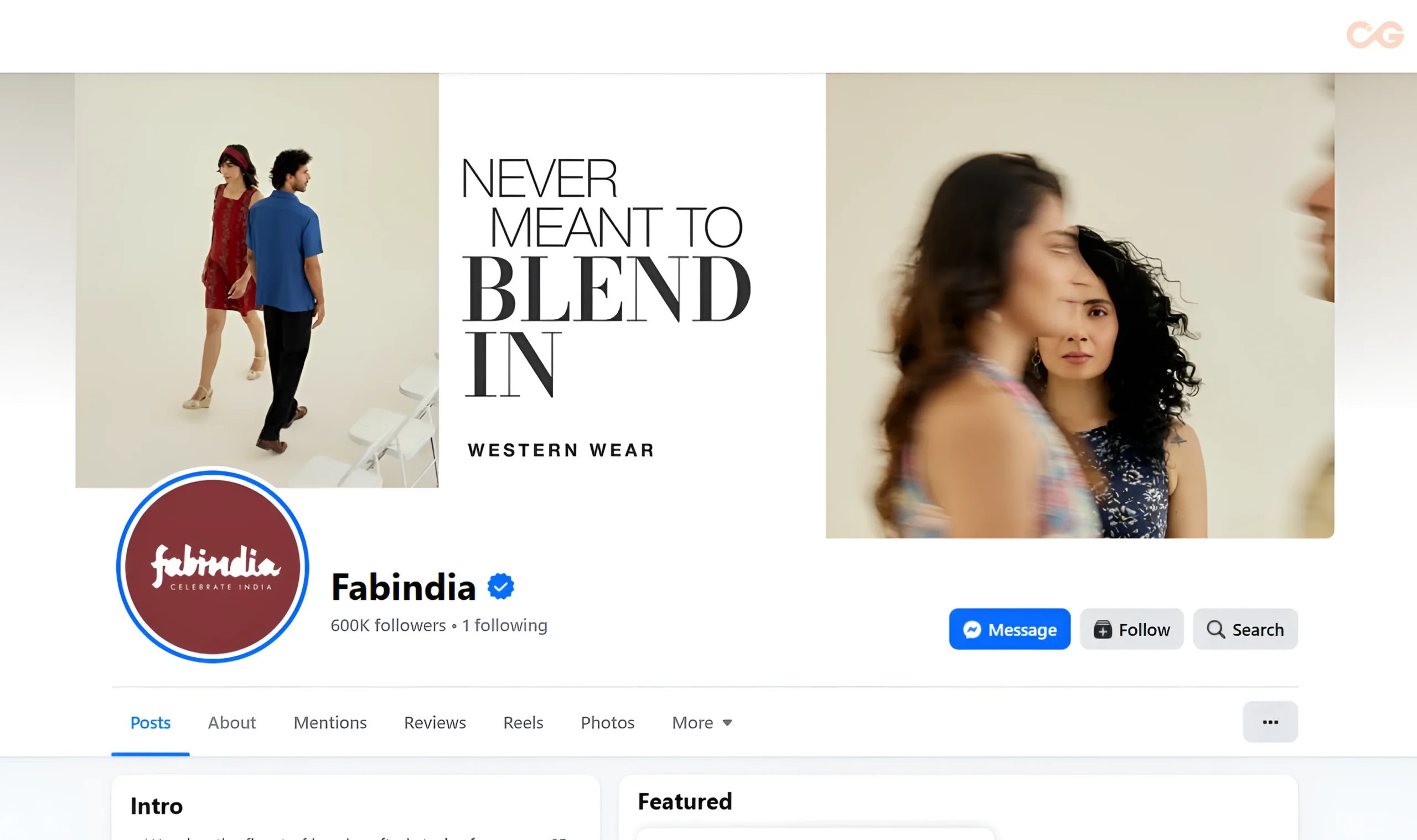
Indian Case Study: Fabindia uses product-focused visuals to showcase Indian textiles, craftsmanship, and traditional aesthetics. Its Facebook content reflects the brand’s heritage through carefully presented products and culturally relevant imagery, helping maintain a consistent visual identity across its social presence.
Facebook Content Writing: Turning Attention into Engagement
Strong visuals may stop users from scrolling, but Facebook content writing gives them a reason to read, respond, click, or take action. Small businesses should write captions that are clear, conversational, and relevant to their audience rather than simply describing what appears in the image.
Essential Caption Elements:
1. Strong Opening Hook
Start with a question, customer problem, useful insight, or interesting statement that encourages people to continue reading.
2. Clear Value or Context
Explain why the post matters to the audience. Share a useful tip, product benefit, story, customer experience, or practical information.
3. Conversational Language
Write as though you are speaking directly to your customers. Avoid unnecessary jargon and keep the message easy to understand.
4. One Clear Call to Action
Tell the audience what to do next – comment with an opinion, visit your website, send a message, save the post, or explore a product.
5. Easy-to-Read Formatting
Keep longer captions organised with short paragraphs, spacing, and relevant emojis where appropriate. Use hashtags selectively rather than filling every post with them.
Example:
Instead of: “Our new coffee blend is now available. Buy now.”
Try: “Looking for a smoother coffee to start your morning? Our new blend combines a rich aroma with a balanced finish. What is your ideal morning coffee – strong or mild? Tell us below.”
The second approach provides context, creates conversation, and gives the audience a reason to respond.
Video Content: Building More Dynamic Stories
Video can help small businesses demonstrate products, explain processes, answer customer questions, and show the people behind the brand. The most effective format depends on the purpose of the content rather than one fixed video length.
Types of Facebook Videos to Consider:
Behind-the-Scenes Videos
Show product creation, team activities, daily operations, workspace tours, or the preparation involved in delivering a service. These videos can make the business feel more authentic and approachable.
Educational Tutorial Videos
Explain how to use a product, solve a common problem, or understand an industry topic. Break the information into simple steps so viewers can follow it easily.
Customer Testimonial Videos
Let customers share their experiences, results, or reasons for choosing your business. Authentic customer stories can provide useful social proof.
Quick Tips and Demonstrations
Share short, focused tips, product demonstrations, FAQs, or practical hacks. These formats are easy to consume and can be incorporated into a regular content schedule.
Simple Video Production System
Small businesses can produce effective videos with a simple setup:
- Stability: Use a tripod or smartphone stabiliser to avoid shaky footage.
- Audio: Record in a quiet environment or use an external microphone when possible.
- Lighting: Use natural light or a ring light to keep the subject clearly visible.
- Editing: Use video editing tools or Facebook’s available editing features to trim footage, add text, captions, and transitions.
Content Creation Tools
Small businesses can use accessible tools to create and refine Facebook content without investing in complex production software. Choose tools based on the type of content you need to produce:
- Canva – Create Facebook posts, Stories, carousels, promotional graphics, and branded templates.
- Adobe Express – Create social media graphics, resize content, and maintain consistent brand assets.
- Adobe Lightroom – Enhance product and business photography with professional colour, lighting, and exposure adjustments.
- CapCut – Edit short-form videos, add captions, transitions, effects, and other elements suited to social media content.
- InShot – Quickly edit videos, crop footage, add text, music, and captions for Facebook posts and Reels.
Facebook Content Management Tool
- Meta Business Suite – Create, schedule, publish, and manage Facebook content while monitoring messages, notifications, and content performance from one place.
Facebook Video Optimisation
- Add captions so viewers can understand the video even without sound.
- Start with a clear hook that communicates what the viewer will gain.
- Keep the video focused on one topic rather than including unnecessary information.
- Use a clear thumbnail or opening frame that accurately represents the video.
- End with a relevant CTA when an action is required.
Takeaway
Plan your Facebook content at least one month ahead, identify relevant seasonal opportunities, and use the calendar below to organise campaigns, content pillars, and key events throughout the year.
Section 5: Engagement-Driven Content
Question-Based Posts: Starting Conversations
Question-based posts can encourage followers to move from passive viewing to active participation. For small businesses, the best questions are simple, relevant to the audience, and connected to the brand or its industry.
Question Types to Try:
1. Opinion-Based Questions
Ask customers to share preferences or opinions related to your products, services, or industry.
- Which colour would you choose for our new collection?
- What is your biggest challenge with [industry problem]?
- What feature would you like to see in our next product?
2. Experience-Based Questions
Invite followers to share personal experiences that are relevant to your audience.
- What is your favourite productivity tip?
- What is your go-to comfort food during the monsoon?
- What is one thing you wish you knew before starting [activity]?
3. This-or-That Questions
Make participation quick by giving followers two clear choices.
- Coffee or tea?
- Weekend adventure or relaxation?
- Which product would you choose – A or B?
4. Knowledge-Based Questions
Use quizzes and simple knowledge checks to educate while encouraging interaction.
- Can you guess which ingredient we use in this product?
- True or false: [industry fact]
- Complete the sentence: Great customer service starts with ______.
Question Optimisation Tips
- Keep questions short and easy to answer.
- Make them relevant to your audience rather than asking questions only to generate comments.
- Use visuals where they add context.
- Respond to comments and ask relevant follow-up questions to continue the conversation.
Polls and Interactive Content
Interactive content gives followers a simple way to express opinions, preferences, and feedback. Small businesses can use polls, quizzes, Q&As, and other interactive formats not only to encourage engagement but also to understand their audience better
Interactive Content Ideas:
1. Product Preference Polls
Ask followers to choose between products, flavours, colours, designs, or features. The responses can also provide useful input for future decisions.
2. Content Polls
Let your audience choose what they want to see next – tutorials, product demonstrations, FAQs, tips, or behind-the-scenes content.
3. Quiz and Q&A Content
Use quizzes to test industry knowledge and Q&As to address common customer questions. This can make educational content more interactive.
4. UGC Discussions
Ask customers to share photos, experiences, reviews, or creative ways they use your products. Re-sharing relevant contributions can encourage more customers to participate.
5. Live Q&A Sessions
Use live sessions for product launches, FAQs, expert discussions, or problem-solving. Choose topics where direct interaction adds genuine value rather than going live simply for the sake of frequency.
Simple Poll Strategy:
Include one interactive post in your weekly content mix and rotate between product preferences, educational questions, customer feedback, and lighter topics.
Contests and Giveaways
Contest Formats:
1. Photo or Video Contests
Ask customers to share how they use your product or their experience with your service.
2. Caption Contests
Post an engaging product or behind-the-scenes image and invite followers to create a caption.
3. Quiz and Trivia Contests
Test knowledge about your industry, products, or brand through simple questions.
4. UGC Campaigns
Encourage customers to share reviews, testimonials, or creative product experiences using a campaign-specific hashtag where appropriate.
Contest Success Framework
- Clear Objective: Decide whether the goal is engagement, UGC, awareness, or customer participation.
- Relevant Prize: Offer something that your target audience genuinely values.
- Simple Entry: Keep the participation process easy and clearly explain the requirements.
- Clear Rules: State eligibility, entry requirements, deadline, winner selection, and prize details.
- Transparent Winner Announcement: Announce the winner clearly and fulfil the promised prize.
- Platform Compliance: Follow Facebook’s applicable promotion guidelines and clearly state that Facebook is not sponsoring or administering the promotion where required.
Community Building Through Content
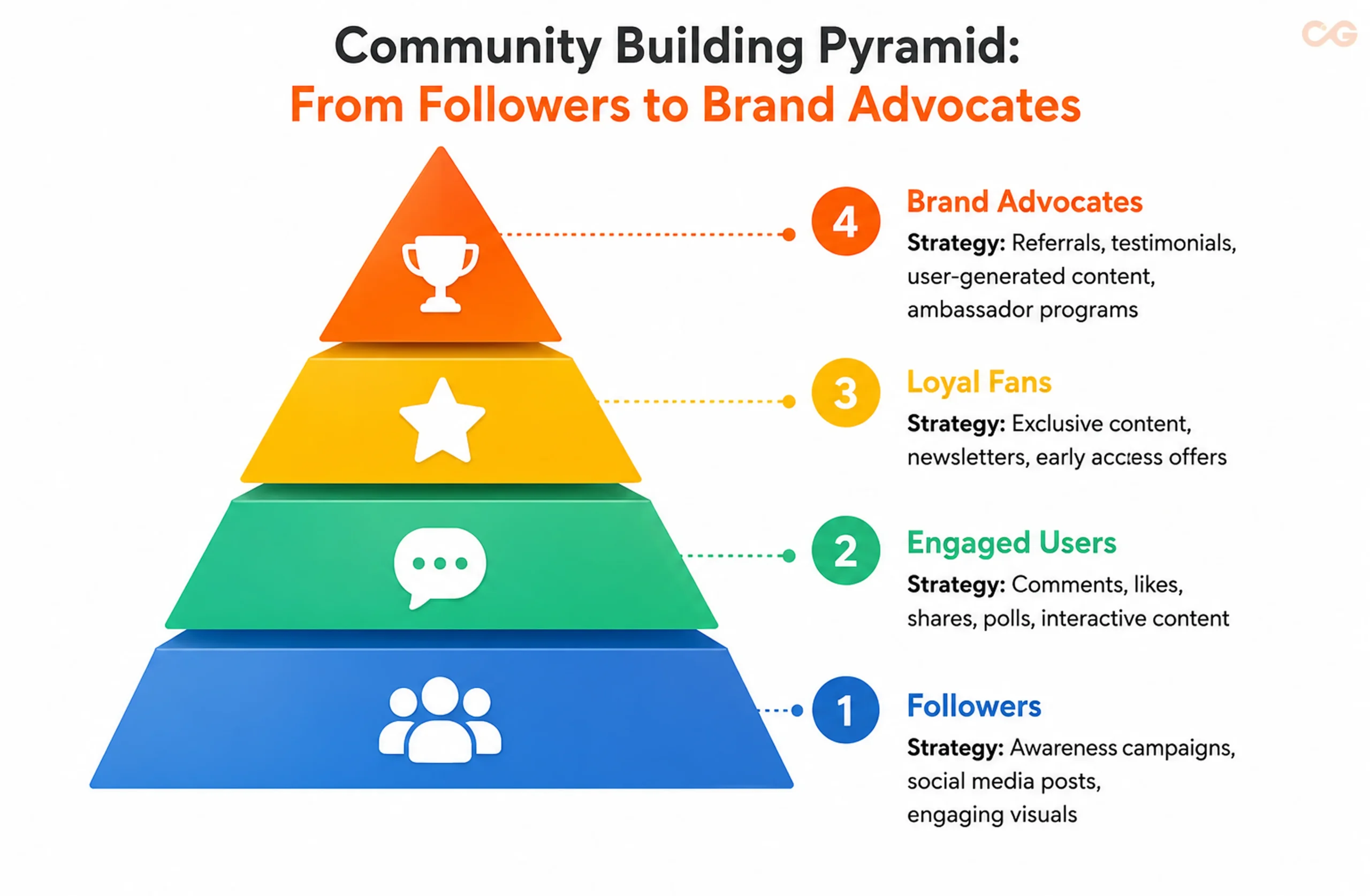
Engagement should not end with likes and comments. Consistently responding to customers and creating opportunities for meaningful participation can turn followers into an active brand community.
Four Ways to Build a Stronger Community:
1. Create Shared Experiences
Use recurring discussions, seasonal conversations, challenges, and relevant industry topics to give followers reasons to participate regularly.
2. Highlight Community Members
Feature customer stories, testimonials, achievements, or UGC. Recognising customers can encourage others to contribute and strengthen the relationship between the brand and its audience.
3. Encourage Meaningful Conversations
Respond to comments, answer questions, acknowledge feedback, and ask follow-up questions. The goal is to create two-way communication rather than simply collecting reactions.
4. Offer Community Value
Share useful tips, early updates, exclusive information, or relevant offers with your most engaged followers. Give people a reason to remain connected to the brand.
Community Engagement Metrics to Monitor
Track more than follower count. Monitor comments, shares, meaningful conversations, UGC submissions, repeat interactions, and customer mentions to understand whether your community is becoming more active.
Section 6: Content Repurposing Strategies
Repurposing content allows small businesses to get more value from content they have already created. Instead of producing completely new content for every post, you can adapt useful blogs, videos, customer stories, and social media content into different Facebook formats.
Blog-to-Facebook Adaptation
A single blog can provide ideas for multiple Facebook posts. Instead of sharing only the blog link, break the content into smaller, platform-friendly formats.
1. Key Point Posts
Extract one useful insight, statistic, tip, or takeaway from the blog and turn it into a standalone Facebook post.
2. Carousel or Visual Posts
Convert lists, processes, comparisons, and step-by-step information into easy-to-follow visual content.
3. Short Videos
Turn important blog ideas into quick explainer videos, tutorials, or talking-head videos that communicate the main takeaway in a more engaging format.
4. Interactive Posts
Use the blog topic to create polls, quizzes, opinion-based questions, or discussion posts that encourage followers to share their views.
5. Traffic-Driving Posts
Create a short introduction that highlights the value of the article and direct interested users to the complete blog with a clear CTA.
Adapting Instagram Content for Facebook
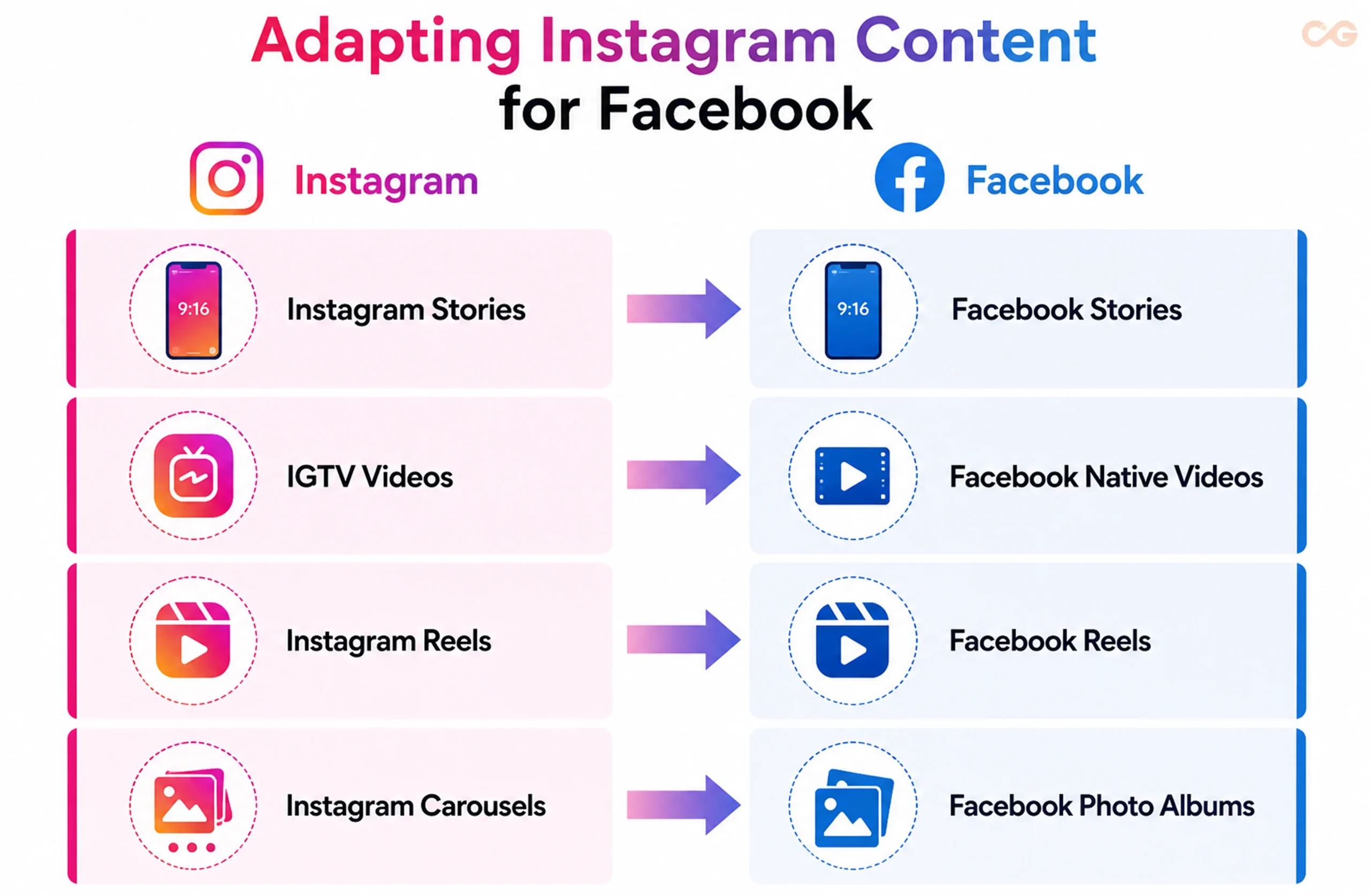
Repurposing content between Instagram and Facebook can save time, but simply copying and pasting every post is not always effective. Adapt the content to suit the Facebook audience, format, and purpose.
1. Format Adjustments
Repurpose suitable Instagram Reels as Facebook Reels, adapt Stories for Facebook Stories, and convert carousel information into Facebook-friendly visual posts where appropriate.
2. Caption Modifications
Rewrite the opening and CTA when needed. Facebook captions can include additional context if the topic requires more explanation.
3. Audience Adjustments
Consider what your Facebook audience is most likely to find useful. For example, an Instagram product post can be adapted into a more detailed Facebook post that explains the product’s benefits or use cases.
4. Performance-Based Repurposing
Identify Instagram content that performs well, adapt it for Facebook, and track the results. Continue repurposing formats and topics that demonstrate strong performance.
Cross-Platform Content Strategy
The goal is not to create completely new content for every platform. Use a simple process:
Create once → Adapt intelligently → Publish natively → Measure separately → Improve
This approach helps small businesses maintain a consistent brand message while reducing content creation time and making their Facebook content strategy more efficient.
Challenge 1: Employee Reluctance
Evergreen content can continue providing value long after it is published. Review useful older posts periodically and refresh them instead of creating new content from scratch.
Refresh Strategies:
- Update information: Replace outdated statistics, facts, examples, and industry references.
- Refresh visuals: Update graphics, photographs, thumbnails, or video elements when they look outdated.
- Change the format: Turn an old text post into a Reel, carousel, infographic, poll, or question-based post.
- Add new insights: Include recent customer questions, trends, product updates, or lessons learned.
- Reuse seasonal content: Adapt relevant evergreen topics for festivals, holidays, or seasonal customer needs.
Simple Refresh Schedule:
- Quarterly: Review older content and identify posts worth reusing.
- Semi-annually: Update important statistics, examples, and visuals.
- Annually: Reassess high-value evergreen content against current trends and business goals.
- Continuously: Monitor performance and refresh content when engagement or relevance starts to decline.
Section 7: Testing and Optimisation
A strong Facebook content strategy should evolve based on actual performance. Testing different content formats, topics, messages, and CTAs helps small businesses understand what resonates with their audience and make better use of their time and marketing budget.
Content Performance Metrics
Focus on metrics that connect Facebook activity with your business goals rather than tracking every available number.
1. Reach and Impressions
- Organic Reach: The number of unique people who see your content without paid promotion.
- Paid Reach: The number of unique people who see content through paid distribution, such as boosted posts or Facebook ads.
- Impressions: The total number of times your content is displayed, including multiple views by the same person.
- Frequency: The average number of times a person sees your content.
2. Engagement Metrics
- Engagement Rate: (Likes + Comments + Shares) ÷ Reach × 100
- Click-Through Rate: Clicks ÷ Impressions × 100
- Video View Rate: Video views ÷ Reach × 100
- Comment Sentiment: Positive, negative, neutral comment analysis
These metrics help you identify which Facebook content ideas generate meaningful interaction rather than simply attracting views.
3. Conversion Metrics
Connect Facebook activity with measurable business outcomes:
- Website Traffic: Track visits generated from Facebook using analytics and campaign links.
- Lead Generation: Measure enquiries, form submissions, calls, or sign-ups originating from Facebook.
- Sales Attribution: Identify purchases or revenue that can reasonably be attributed to Facebook activity.
- Customer Acquisition Cost (CAC): Total Facebook Marketing Cost ÷ Customers Acquired
4. Community Growth Metrics
Monitor whether your audience is growing and becoming more valuable over time.
- Follower Growth Rate: (New Followers ÷ Total Followers) × 100
- Follower Quality: Compare engagement from newly acquired followers with your existing audience.
- Community Activity: Track how consistently followers comment, share, respond to polls, or participate in discussions.
- Brand Mentions: Monitor how frequently customers mention or tag your business.
Metrics Analysis Framework
Avoid making major changes based on a single post. Review performance at different intervals to identify consistent patterns.
- Daily: Check important comments, messages, and unusual changes in reach or engagement.
- Weekly: Identify your best-performing posts and compare their formats, topics, and CTAs.
- Monthly: Review overall engagement, audience growth, traffic, and conversions to refine your content plan.
- Quarterly: Compare results with your business objectives and adjust your broader Facebook marketing strategy.
A/B Testing Different Content Formats
A/B testing helps replace assumptions with evidence. Test one variable at a time so you can clearly understand what influenced the result.
You can test:
- Format: Reel vs. image post
- Hook: Question-based opening vs. benefit-led opening
- Visual: Product image vs. lifestyle image
- CTA: “Learn More” vs. “Send Us a Message”
- Content angle: Educational tip vs. customer story
- Posting time: Compare different time slots based on your audience’s activity
Run each variation with a comparable audience and review the results using the metric that matters most to your objective. For example, use CTR for traffic campaigns and leads or sales for conversion-focused campaigns.
Optimisation Rule: Test → Measure → Learn → Improve
Do not abandon a content format because of one weak post. Look for patterns across multiple posts, identify what consistently performs well, and gradually allocate more effort to those topics and formats. This creates a data-driven Facebook content strategy that becomes more effective over time.
Takeaway
Plan your Facebook content at least one month ahead, identify relevant seasonal opportunities, and use the calendar below to organise campaigns, content pillars, and key events throughout the year.
Conclusion
Turn Facebook Content Into a Growth System
A successful Facebook content strategy for small businesses is not about posting as often as possible. It is about understanding your audience, creating useful and relevant content, maintaining consistency, and improving your approach based on what your audience responds to.
Performance analysis helps identify which topics, formats, and messages contribute to meaningful engagement, website traffic, leads, or sales. Tools such as Facebook Page Insights and Meta Business Suite can help businesses track content performance, understand audience behaviour, and make informed content decisions.
However, numbers are only part of the picture. Comments, direct messages, reviews, poll responses, and customer questions can reveal what your audience needs, what problems they face, and what they expect from your brand. Use these insights to refine your content rather than treating them as one-time feedback.
The most effective approach is simple:
Understand your audience → Create valuable content → Engage consistently → Measure performance → Learn from feedback → Optimise your strategy
Maintain a flexible small business Facebook content calendar, review what is working regularly, and adjust your content based on audience behaviour. With this approach, Facebook can become more than a platform for posting updates – it can support stronger customer relationships, brand visibility, and measurable business growth.