
Website Design Mistakes That Make Indian Small Businesses Lose Sales: A Complete Guide for 2026
Table of Contents
- Understanding the Indian Digital Landscape
- 12 Website Design Mistakes to Avoid for Indian Businesses
- Hidden Costs of Website Design Errors
- Industry-Specific Insights for Indian Businesses
- Recovery Action Plan: Essential Steps
- Measuring Success: Key Performance Indicators
- Future-Proofing Your Website
- Conclusion: Transform Your Website into an Asset
In today’s digital-centric India, your website often serves as the first point of contact for potential customers. Unfortunately, many small Indian businesses are unintentionally harming their online success due to common website design mistakes that impact their profits.
Research by Mint indicates that 50% of Indian consumers depend on e-commerce platforms and search engines for their pre-purchase inquiries. Additionally, UXCAM reports that 74% of users are likely to return to a site with a great mobile experience, and 90% of smartphone users engage more with sites offering smooth user experiences. Poor website design detracts from both visual appeal and conversion rates, ultimately hurting revenue.
Whether you run a textile export firm in Mumbai, an IT startup in Bangalore, or a local restaurant in Jaipur, this guide will assist you in identifying and correcting frequent website design mistakes to avoid for indian businesses that may be losing you customers every day.
Understanding the Indian Digital Landscape
Before addressing critical website design mistakes to avoid, it’s essential to grasp the unique characteristics of Indian users. Unlike users in Western markets, Indian consumers exhibit distinct online behaviours influenced by culture, varying internet speeds, and diverse language preferences.
Key Challenges for Indian Users:
- Indian consumers tend to abandon slow-loading pages due to inconsistent internet speeds.
- They prefer secure and familiar payment options such as UPI, Razorpay, and cash on delivery.
- Building trust through clear signals is vital since concerns about online fraud can deter purchases.
- Most customers browse on mobile devices with low data packages, necessitating lightweight pages.
- Many prefer content in the regional languages to enhance their connection with the information.
12 Website Design Mistakes to Avoid for Indian Businesses
1. Ignoring Mobile-First Design
Mobile optimisation is a major oversight for many Indian businesses. With over 70% of global internet traffic originating from mobile devices, according to ICORE, prioritising mobile-first design is crucial, not optional.
By addressing these website design mistakes, you can improve customer engagement and boost your sales potential.
The Impact of Mobile Optimisation on Business Revenue
Good vs. Bad Mobile UX
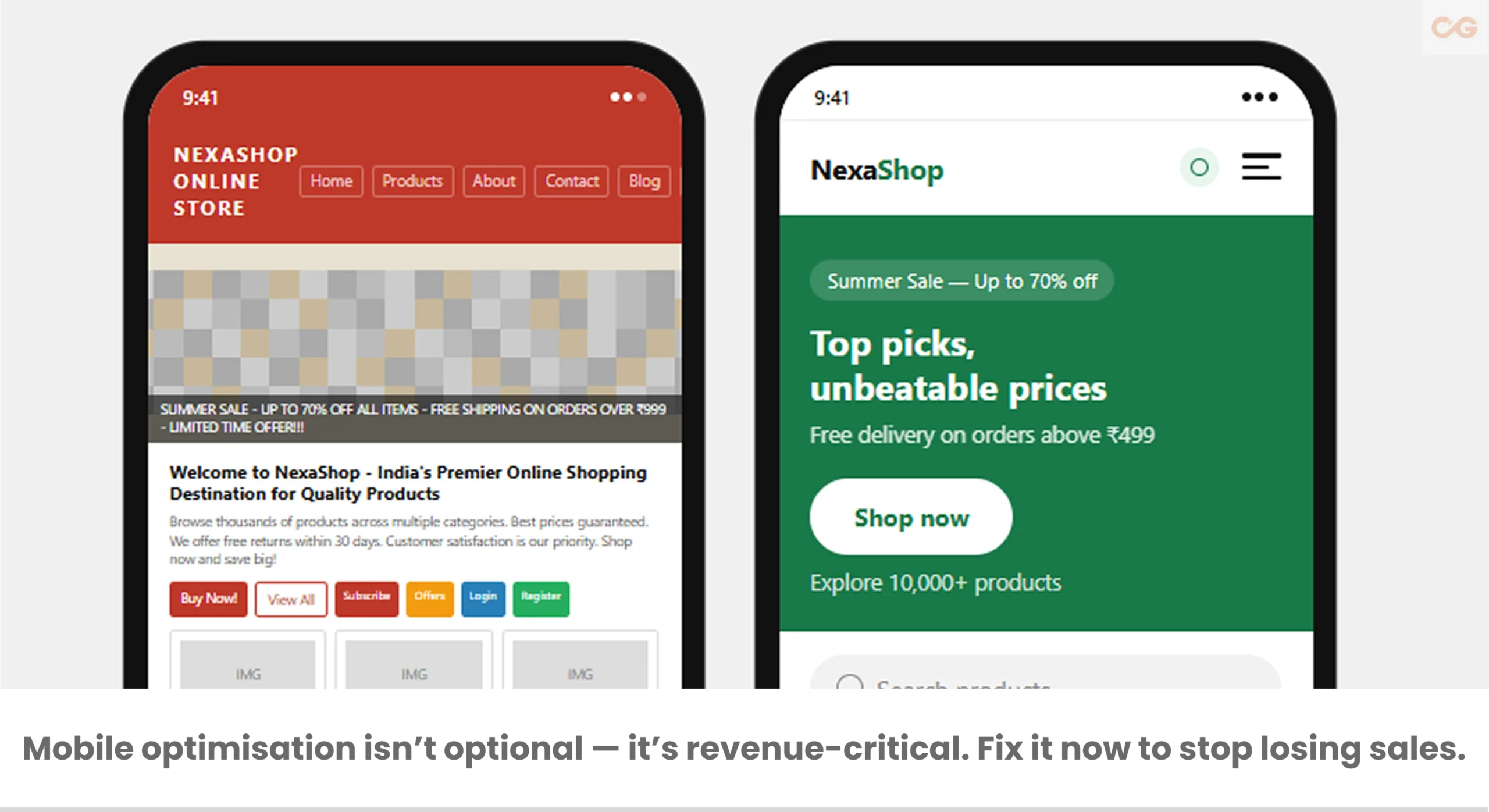
People Also Ask: Why is mobile optimisation important for Indian websites?
Indian websites must prioritise mobile optimisation for several key reasons:
- Mobile devices often have small buttons, making navigation frustrating for users.
- If text is excessively lengthy and requires zooming, it hinders the user experience.
- Mobile keyboards may not function well with forms, leading to incomplete submissions.
- Images might not scale correctly, resulting in poor layouts on smaller screens.
- Pop-ups can be difficult to close, disrupting the browsing experience and driving users away.
Best Practices for Mobile Optimisation:
- Implement responsive design to ensure compatibility across various screen sizes.
- Design buttons that are at least 44×44 pixels to facilitate easy tapping on touchscreens.
- Optimise images for faster loading times, particularly in areas with slower internet speeds, to reduce bounce rates.
- Test your site on numerous popular Indian smartphone models to pinpoint device-specific issues.
- Add a click-to-call option on phone numbers for easy access to your business.
2. Slow Loading Speeds That Hurt Conversions
In India, internet speeds vary significantly by location. Common website mistakes that reduce sales often stem from poorly optimised loading times. According to the research of Kanuka, 53% of mobile users abandon sites that take longer than 3 seconds to load.
Tips for Enhancing Website Speed to Boost Conversions:
- Use tools like TinyPNG to reduce image sizes or convert images to WebP format for quicker loading.
- Minimise CSS and JavaScript files to boost performance and reduce render-blocking issues.
- Choose a Content Delivery Network (CDN) with servers located in India for faster content delivery to local users.
- Enable browser caching, allowing repeat visitors to access pages quickly without re-downloading.
- Optimise your site for 4G networks, as many users still depend on slower connections.
- Disable unnecessary plugins and widgets that can slow down site performance
3. Lack of Trust Signals
Cybersecurity concerns influence how Indian consumers approach online transactions. Common website mistakes include failing to display sufficient trust signals, which are vital for building confidence in potential customers.
Takeaway

Website Resources Every Indian Small Business Should Use
Explore these tools and resources now. Download our guide to transform design flaws into valuable sales opportunities!
Trust Signals That Drive Conversions
Establishing Website Credibility
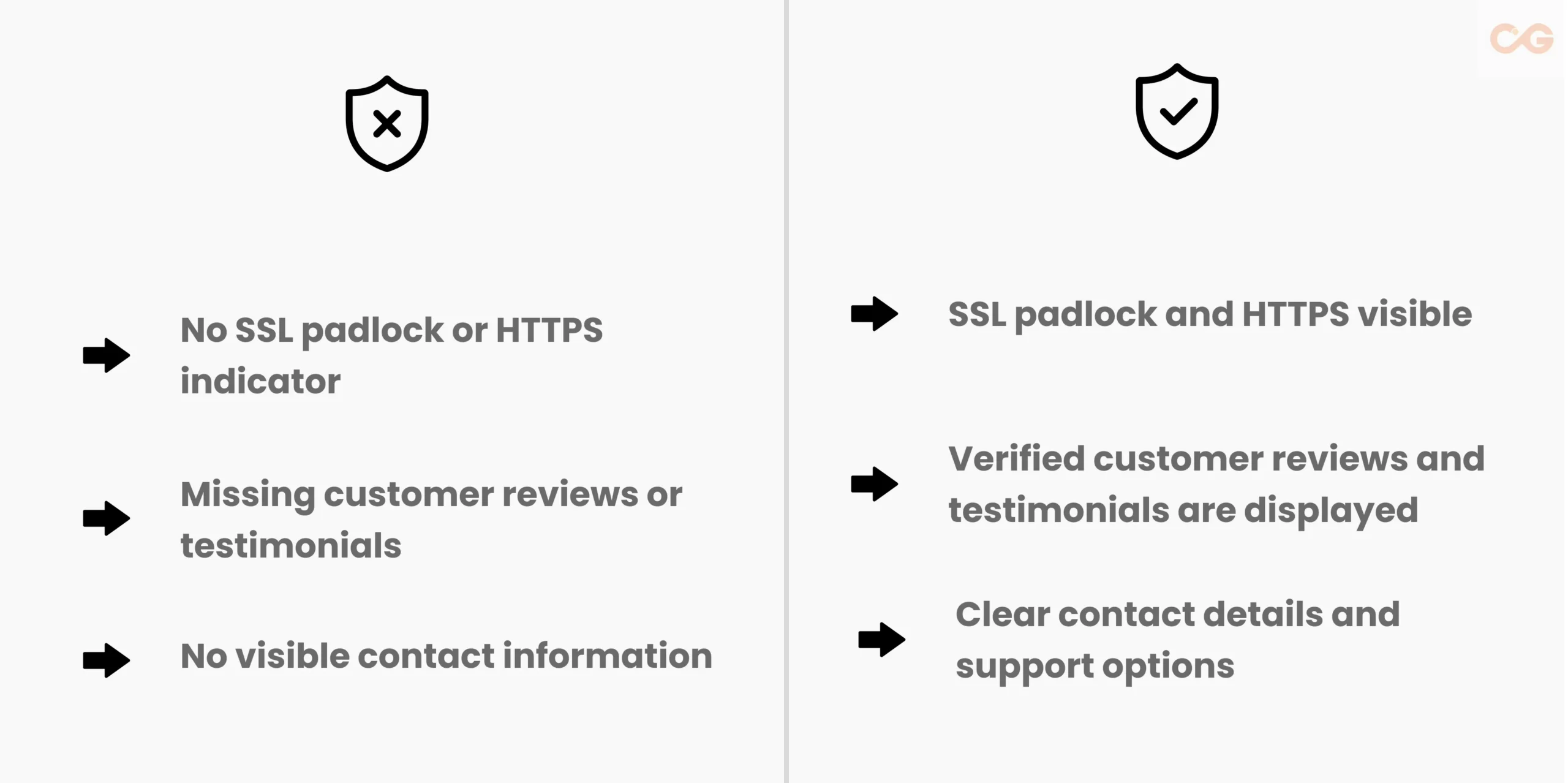
Key Trust Indicators for Indian Audiences
To build trust with Indian audiences, focus on essential indicators. Ensure your website has an SSL certificate, a visible security badge, and recognised certifications. Leverage customer testimonials in various languages, provide clear contact details, and maintain a professional About Us page to establish credibility. Active engagement on social media, along with a money-back guarantee and an easy returns policy, enhances brand confidence.
4. Neglecting Regional Language Preferences
While most Indian business websites use English, ignoring regional languages means missing out on potential customers. Research from IBEF shows that 98% of internet users in India prefer content in their native languages.
Best Practices for Language Usage in Small Business Websites
- Offer website content in Hindi and other regional languages to tap into a wider market.
- Optimise for search engines using region-specific keywords to enhance local visibility.
- Ensure fonts support readability across all Indian languages on any device.
- Incorporate cultural elements in design and messaging to resonate with local audiences.
- Include prominent language switchers for easy navigation between languages.
- Translate customer service resources to provide a seamless multilingual experience.
5. Complex Navigation and Information Architecture
To cater to Indian customers, especially those new to online shopping, create a straightforward and user-friendly navigation system. Avoid complicated product listings and unclear information structures, as they can lead to frustration and increased bounce rates.
The Difference Clear Navigation Makes
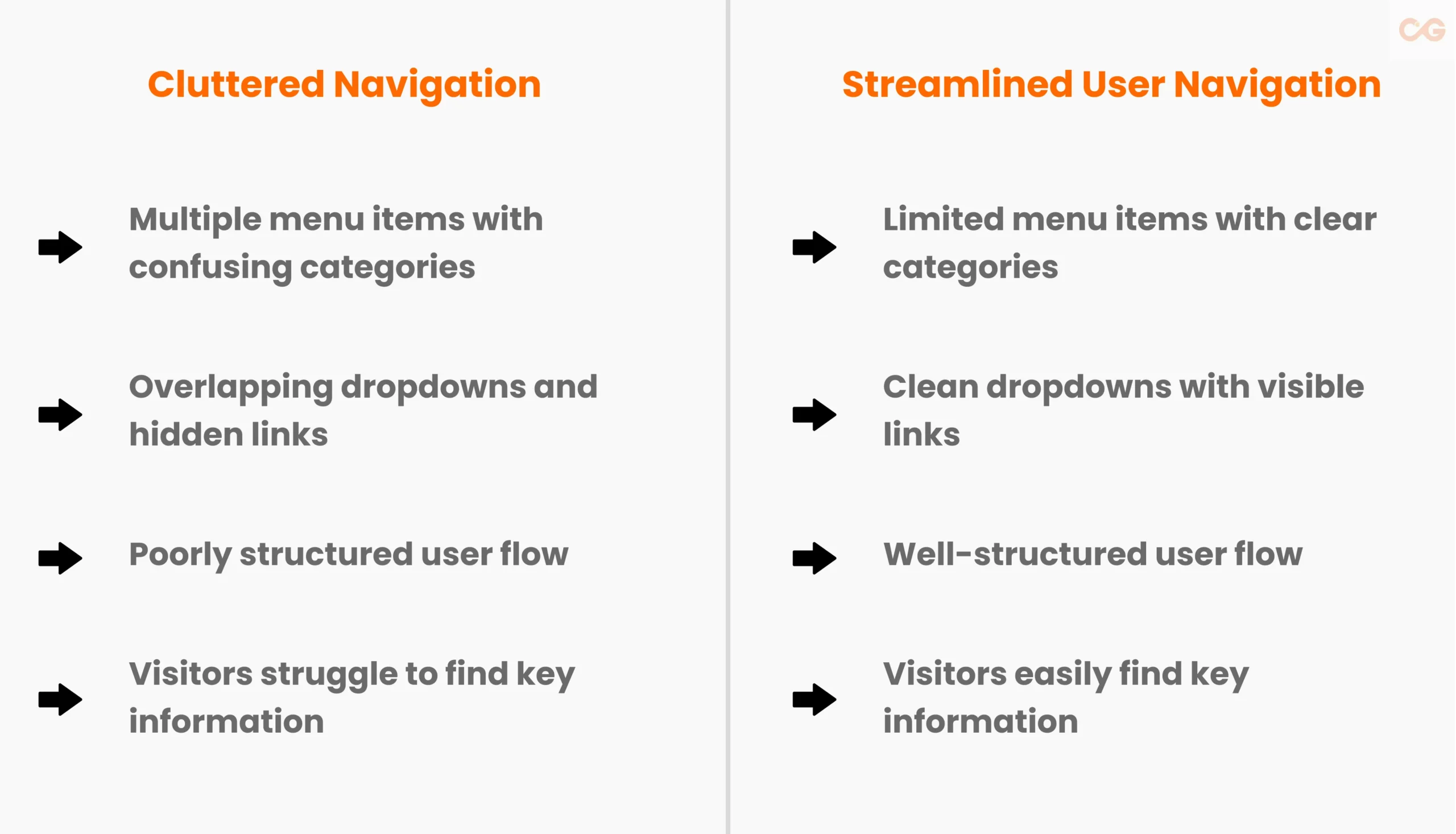
Key Principles for Small Business Website Navigation:
1. Follow the Three-Click Rule: Ensure visitors can find any information within three clicks. This approach streamlines navigation and enhances user experience.
2. Use Clear Icons and Terms: Provide straightforward icons and language. This helps visitors understand quickly without getting confused.
3. Implement Breadcrumb Navigation: Allow users to see their current location on the site. This makes it easier for them to backtrack to previous pages.
4. Create a Comprehensive Footer: Include links to essential pages, policies, and contact information. This makes crucial resources easy to find.
5. Add a Search Function: Incorporate a search bar with suggestion features. This helps users quickly locate what they need.
6. Organise Products with Mega Menus: For large inventories, use mega menus to categorise products clearly. This improves the browsing experience for all users.
6. Poor Payment Gateway Integration
Accepting familiar payment methods is critical for boosting conversion rates. Many Indian businesses struggle with this, missing out on sales due to the inability to process credit cards or international payments. Prioritise integrating reliable payment options to optimise conversions effectively.

Essential Payment Methods for Indian Customers
- UPI (Unified Payments Interface): Enjoy fast, secure, and straightforward bank-to-bank transactions on various platforms.
- Digital Wallets: Use options like Paytm, PhonePe, and Google Pay for quick, rewarding, and convenient payments.
- Net Banking: Transfer funds instantly through your account with any leading Indian bank.
- Cash on Delivery (COD): Pay for your product only after you receive it safely.
- EMI: Break down larger purchases into manageable monthly payments.
- Cryptocurrency Payments: Cater to tech-savvy users seeking advanced, decentralised transaction options.
7. Weak or Absent Calls-to-Action (CTAs)
Many small business websites in India suffer from weak or poorly positioned calls-to-action. This often leads to missed opportunities for user engagement. Strengthening your CTA is essential for guiding customers toward the desired actions effectively.
The Impact of Effective Call-to-Actions
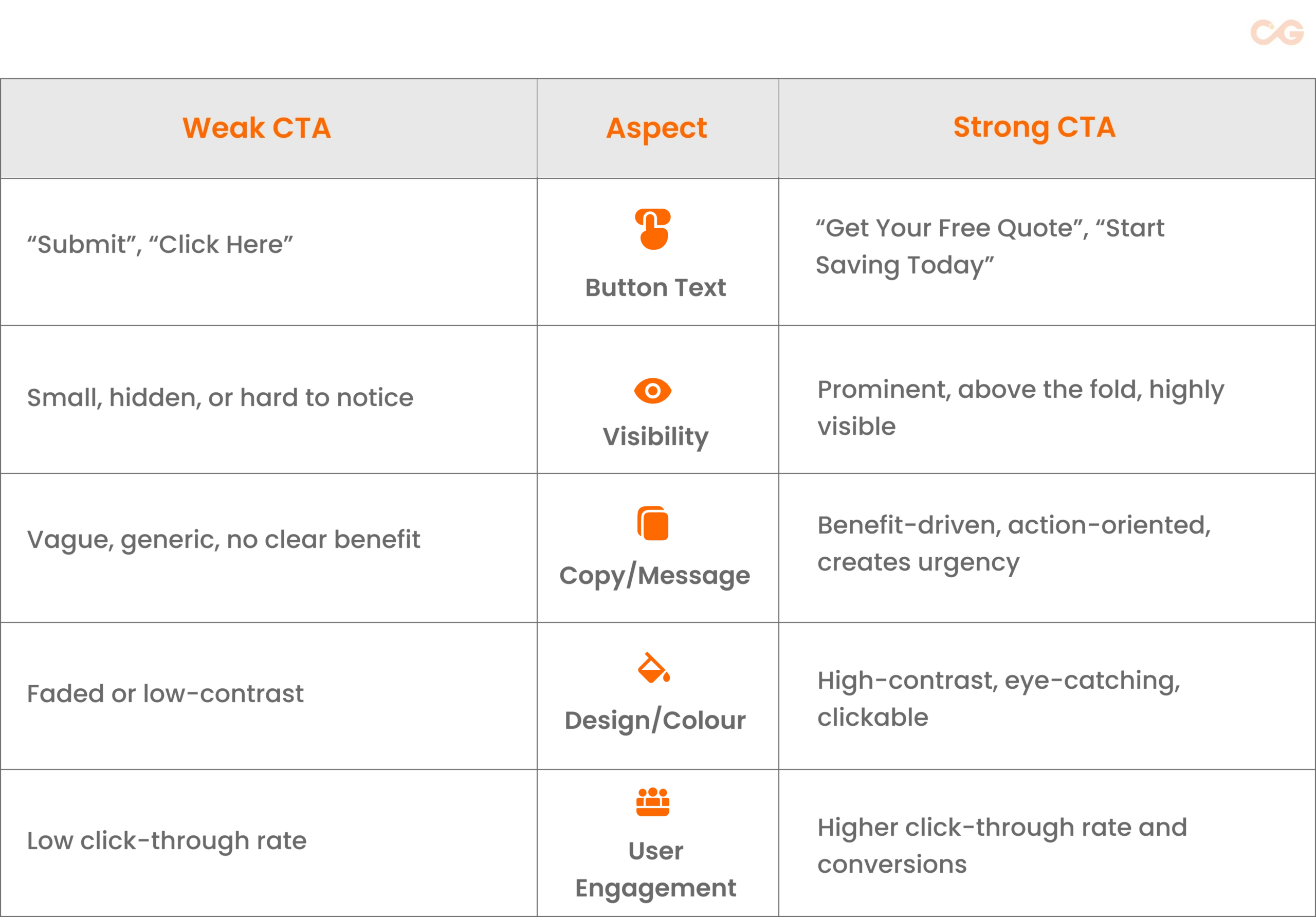
Effective CTA Strategies for Engaging Indian Audiences
- Use direct language like “Order Now” to encourage immediate purchases and boost conversion rates.
- Create urgency with limited-time offers to motivate quick action from users.
- Position call-to-action buttons prominently at the top of the page for easy visibility without scrolling.
- Select contrasting colours for buttons to catch the customer’s attention and direct them toward the desired action.
- Ensure button sizes are large enough for mobile users to tap easily without mistakes.
- Test different call-to-action texts and placements to determine which combinations yield the highest response rates.
8. Lack of Image Quality and Optimisation
High-quality images are crucial for e-commerce success in India. Many companies still use low-resolution or unoptimized images, which can slow down website performance. Prioritise image quality to enhance user experience.

Key Image Optimisation Strategies:
- Use professional photography for your products. High-quality images attract customers and build trust.
- Implement lazy loading. This improves initial page load times and enhances the overall browsing experience.
- Ensure image files are adequately sized. Small files can lead to slow loading and blurry visuals.
- Compress images using effective formats like WebP. This reduces bandwidth usage and speeds up loading times in modern browsers.
- Include clear alt text. This improves search rankings and makes your website more accessible.
- Add zoom functionality to product images. This allows customers to closely examine details, encouraging confidence in their purchase decisions.
9. Neglecting Local SEO and Cultural Relevance:
Many small businesses in India overlook local SEO opportunities. They also miss the chance to connect with their audience by not incorporating cultural elements that resonate with them. Focus on these aspects to improve engagement and growth.
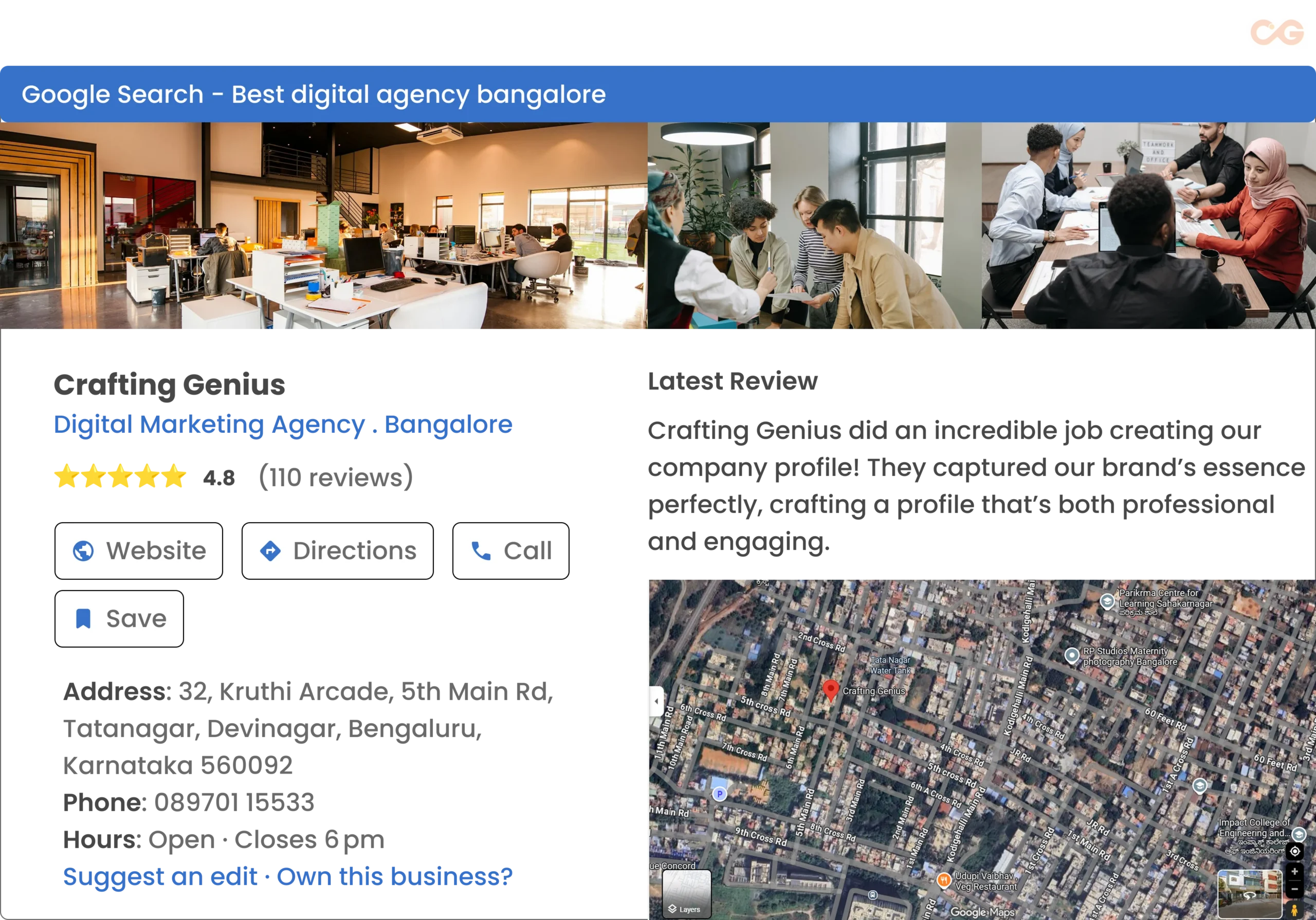
Local SEO for Indian Businesses
1. Enhance Your Google My Business Profile
Improve your visibility in local search results by optimising your Google My Business listing.
2. Incorporate Local Keywords
Use keywords that include city names and local landmarks to connect with nearby customers.
3. Display Operating Hours
Clearly state your business hours in local time zones so customers know when you’re available.
4. Provide Clear Contact Information
List contact details in the correct local format to facilitate easy communication.
5. Gather Customer Reviews
Encourage feedback on platforms like Google and Facebook to build online trust and credibility.
6. Implement Schema Markup
Use schema markup for your business information to enhance search engine results.
10. Poor Customer Service and Accessibility
Indian consumers expect multiple ways to reach you and prompt service. Relying solely on contact forms can hinder trust and support.
Key Contact Strategies:
- Offer several contact numbers, both landline and mobile, so customers can reach out easily.
- Use WhatsApp Business for real-time communication to strengthen customer relationships.
- Implement live chat to handle inquiries instantly, reducing drop-offs during decision-making.
- Integrate Google Maps on your site to help users easily locate your business.
- Clearly post your operating hours, so customers know when they can reach you.
- Provide social media contact options to engage users on their preferred platforms.
- Include a detailed FAQ section to save time and reduce repetitive inquiries.
Takeaway
Website Resources Every Indian Small Business Should Use
Explore these tools and resources now. Download our guide to transform design flaws into valuable sales opportunities!
11. Making the User Experience Too Complex
Many Indian small business websites complicate the user experience by overloading features. A simpler design often performs better.
User Experience Optimisation Tips:
- Limit choices to prevent decision fatigue and speed up users’ decisions.
- Gradually reveal complex information to avoid overwhelming users.
- Use one-page checkouts to streamline the buying process and reduce cart abandonment.
- Minimise form fields to make filling out forms quicker and easier.
- Organise products into clear categories to help users find what they need.
- Create consistent UI templates to offer a smooth, familiar experience.
12. Overlooking the Analytics and Continuous Improvement
Failing to optimise your website based on user behaviour is a common oversight. Website optimisation is an ongoing process.
Essential Analytics Steps:
- Implement Google Analytics 4 to track user interactions across your site in detail.
- Set up goal and conversion tracking to assess campaign performance and identify issues.
- Use heat mapping tools like Hotjar to analyse where users click, scroll, and spend time, highlighting areas for improvement.
- Collect user feedback through surveys and polls for insights into their experiences and needs.
- Conduct A/B testing on critical elements such as headlines and calls to action to boost engagement and conversions.
- Regularly audit your website’s performance, including speed, SEO effectiveness, and overall user experience.
- Perform mobile usability tests to identify issues and ensure an intuitive design for smartphone and tablet users.
This thorough approach will enhance your website’s performance and improve user engagement systematically.
Hidden Costs of Website Design Errors
Poor website design doesn’t just harm user experience; it also impacts your revenue directly:
Reduced Conversions: According to User Guiding, 88% of users don’t return to a site after a negative experience, which leads to missed sales.
Higher Acquisition Costs: Promoting a poorly designed website is more expensive than promoting a well-structured one.
Damaged Trust: Digital Silk reports that 75% of users judge a brand’s credibility based on website design. A professional interface is vital.
Lower SEO Rankings: A subpar user experience and technical flaws hurt search visibility, resulting in decreased organic traffic.
Increased Support Costs: Complicated navigation prompts more customer inquiries, raising operational costs for support.
Industry-Specific Insights for Indian Businesses
E-commerce and Retail
E-commerce sites should feature easy product sorting, robust search options, and wishlists. Incorporating varied images and videos clarifies product details, while size guides reduce returns. Clear exchange and return policies build customer trust, fostering repeat purchases.
Service-Based Businesses:
For service industries, interactive coverage maps and seamless online bookings are essential. Highlighting case studies, testimonials, and clear comparisons of service packages promotes trust and empowers clients to make quick, informed choices.
Restaurants and Food Services:
E-commerce sites should feature easy product sorting, robust search options, and wishlists. Incorporating varied images and videos clarifies product details, while size guides reduce returns. Clear exchange and return policies build customer trust, fostering repeat purchases.
B2B Companies:
Successful B2B websites include designed lead generation forms, comprehensive product catalogues, and specification sheets. Showcasing company credentials, certifications, and client logos enhances credibility. Implementing Request for Quote (RFQ) systems streamlines procurement and strengthens business relationships.
Recovery Action Plan: Essential Steps
If you’ve noticed issues on your site, take action without delay. Address the following areas in order:
Phase 1: Critical Fixes (Weeks 1–2)
- Install an SSL certificate to secure user data and transactions while improving SEO.
- Ensure your site is mobile-friendly for optimal performance on all devices.
- Improve page load times by compressing images, enabling caching, and minimising code.
- Place all necessary contact information (phone, email, location, etc.) prominently on every page.
- Regularly check for and fix broken links, bugs, and 404 errors to maintain credibility and enhance navigation.
Phase 2: Enhancing User Experience (Weeks 3-6)
- Simplify the navigation to make searching quick and easy, reducing user frustration.
- Make call-to-action buttons more prominent, action-oriented, and strategically placed to boost conversions.
- Add trust signals such as customer reviews, testimonials, and certifications to build credibility.
- Optimise images and media for faster loading while maintaining high visual quality.
- Set up secure payment gateways to ensure a smooth and trustworthy transaction process for users.
Phase 3: Advanced Optimisation (Months 2-3)
- Offer support in local languages to improve accessibility for a broader audience.
- Utilise advanced analytics to track user behaviour, engagement, and conversions to inform data-driven decisions.
- Conduct user testing to gather feedback, identify usability issues, and refine the overall experience.
- Enhance local SEO by incorporating location-specific keywords, updating business directories, and improving search visibility.
- Implement A/B testing to evaluate layouts, call-to-action buttons, and designs for continuous performance enhancement.
Measuring Success: Key Performance Indicators
For Indian small businesses, tracking the right website navigation and engagement metrics helps identify areas for improvement and measure the effectiveness of the overall user experience.
- Bounce Rate: Aim for a lower bounce rate by making it easy for visitors to find relevant information and explore additional pages.
- Page Load Speed: Keep pages loading within three seconds to minimise delays and prevent visitors from leaving due to a slow experience.
- Mobile Traffic Percentage: Monitor the share of visitors accessing your website through mobile devices and optimise accordingly as mobile usage continues to grow.
- Conversion Rate: Track how effectively your website encourages visitors to complete desired actions, such as making a purchase, submitting an enquiry, or signing up.
- Average Session Duration: Use this metric to understand how long visitors engage with your content and whether your website provides a useful browsing experience.
- Local Search Ranking: Monitor your visibility in local search results to attract nearby customers and strengthen your local online presence.
Future-Proofing Your Website
As digital behaviour and customer expectations continue to evolve in India, small businesses should prepare their websites for emerging technologies and changing user needs:
- Optimise for Voice and Multilingual Search: Make website content easy to discover through voice searches in Hindi and other regional languages, particularly for local and mobile users.
- Integrate AI-Powered Assistance: Use AI chatbots and virtual assistants to provide instant answers, guide visitors to relevant pages, and offer 24/7 customer support.
- Prioritise Progressive Web Experiences: Consider Progressive Web Apps (PWAs) where appropriate to deliver faster loading, reliable performance, and app-like experiences, especially on mobile devices.
- Expand Video Content: Use short product demonstrations, tutorials, and explainer videos to communicate information quickly and improve visitor engagement.
- Adopt Interactive Product Experiences: For relevant businesses, technologies such as augmented reality (AR) can help customers preview products in their environment before making a purchase.
- Prepare for AI-Driven Search: Structure website content clearly and provide concise, trustworthy answers so that your business information is easier for search engines and AI-powered search experiences to understand and surface.
Takeaway
Website Resources Every Indian Small Business Should Use
Explore these tools and resources now. Download our guide to transform design flaws into valuable sales opportunities!
Conclusion: Transform Your Website into an Asset
Your website should be your strongest marketing tool, not a barrier between you and your customers. By addressing small business website design errors, Indian small businesses can greatly enhance their online effectiveness.
Remember, success in web design comes from creating a user-friendly experience that meets customer needs and supports business goals. Start with essential fixes, track your progress, and continue to refine your site based on user feedback.
Investing in these improvements is more cost-effective than losing potential customers to competitors with optimised online presences.
Act now to turn your website into your most valuable asset.