
How to Dominate Google Search with Zero-Click SEO Strategies
Table of Contents
Google SERP is nothing like the dated, simple website linking list. Now, it has turned into a modern habitat of searches, like featured snippets, knowledge panels, People Also Ask (PAA) boxes, direct-answer boxes, and, yes, AI overviews. This trend has ignited the wildfire of zero-click search, wherein a search engine user gets right-to-the-point authoritative information inside the SERP instead of having to visit an external website. The study published by Rank Fishkin clearly says that approximately 60% of Google searches result in zero clicks globally.
All that behavior will turn into a zero-click reality for SEO and a paradigmatic change in how brands think about their optimization and their SEO strategy. Traditional methods that include improving click-through rates (CTR) to increase organic traffic are no longer sufficient. Instead, organizations need to rethink their approach and target those users with high-intent queries while applying higher-order techniques such as structured data markup and schema markup toward securing top spots in coveted rich results and local SEO features, including Google Maps and local packs.
Today, zero-click SEO is incredibly important for traffic acquisition in a sector that is highly competitive. By improving visibility within these enhanced SERP elements, brands can increase brand authority, enhance user engagement, and command attention even in a mostly clickless search world. Thus, this demand produces what is necessary for adopting future-thinking priorities into SEO that now favor prominence in direct responses and interactive SERP features compared with traditional click-dependent metrics.
Introduction
What Is Driving The Surge In Zero-Click Searches, And How Does It Impact SEO?
What exactly does a zero-click search mean?
Six important types of zero-click searches
1) Featured snippets
2) People Also Ask (PAA)
3) AI overviews
4) Direct Answer Boxes
5) Knowledge panels
6) Local pack
What Affects User Behaviour Due To Google’s Increasing Pressure On Instant Answers?
1. How does the SEO environment affect zero-click searches?
2. Why do users often get answers without clicking on any website?
3. What statistics show the growth and importance of zero-click searches?
4. Zero-click SEO: Why should you care if users don’t click?
5. How do you enhance brand exposure on the SERP without direct clicks?
6. Does securing a spot in a featured snippet build brand authority and influence?
7. How does zero-click SEO result in lead generation and conversion?
Important Types of Featured Snippets
Best ways to structure your content for snippets spot capture
Best practices for featured snippets domination
Expand your scope and authority by utilising the PAA section of Google
- How will you be able to find the most relevant PAA question
- Structure the content that results in clear, precise answers
Leverage schema markup for rich results and search visibility
- Importance of structured data for SEO and traffic acquisition
- Important steps to implement schema markup
- Important types of schema markup and their SEO impact
- Optimizing schema markup for zero-click SEO
- Best tools to generate and validate schema markup
Maximizing local visibility: Advanced Google Business Profile for 2025
- Accuracy of business information: the pillar of local SEO
- Visual content and engagements: encouraging users’ action
- How do reviews build trust and authority?
- Structured data and schema markup: Enhancing search functions
- Performance monitoring and continuous improvement
Strengthening brand authority: getting featured in Google knowledge panels
- Why are knowledge panels important?
- How are knowledge panels produced by Google?
- The critical role of Wikipedia, Wikidata, and structured entity data
- Step-by-step Guide: How to get featured in a knowledge panel
- Claiming and optimizing your Google Knowledge graph listings
Voice search optimization: winning zero-click traffic with conversational content
- Why Voice is a Game Changer for zero-click SEO
- Importance of voice searches for zero-click SEO
- Formulate conversational, question-based content for voice search
- Use long-tail keywords and question-based headlines
- Use long-tail keywords and question-based headlines
- Answer questions directly and succinctly
- Leveraging NLP and AI for voice search optimization
- Best practices for voice search optimization
The metrics you need to use to track your website performance
Tools to use to monitor the progress of your sites in zero-click searches
Success metrics you should focus on to achieve modern SEO strategies
Conclusion
1. Understanding Zero-Click Searches
- Define what zero-click searches are
- Discuss how Google’s featured snippets, knowledge panels, and instant answers impact traffic.
- Explain why users often get answers without clicking on any website.
What Is Driving the Surge in Zero-Click Searches and How Does It Impact SEO?
The evolution of Google’s SERP (Search Engine Results Page) has given rise to a significant phenomenon known as zero-click searches. In these circumstances, users get the information they are looking for right on Google’s result pages with no click-throughs to other websites. This section details the intricacies of zero-click searches and their important types, all of which influence SEO strategies significantly.
What exactly does a Zero-Click Search mean?
A zero-click search occurs when the answer to a user’s question appears directly on the search engine results page (SERP), without the need to visit an external website. A user enters a question, sees an immediate answer, maybe a snippet or even a summary that seems provided by an algorithm, and then decides there’s no need to look further. This also represents Google’s aspirations to evolve into an answer engine for modern users, transforming the search engine result page to be a hub that provides quick and accurate answers.
How Zero-Click SEO Is Different From Traditional SEO
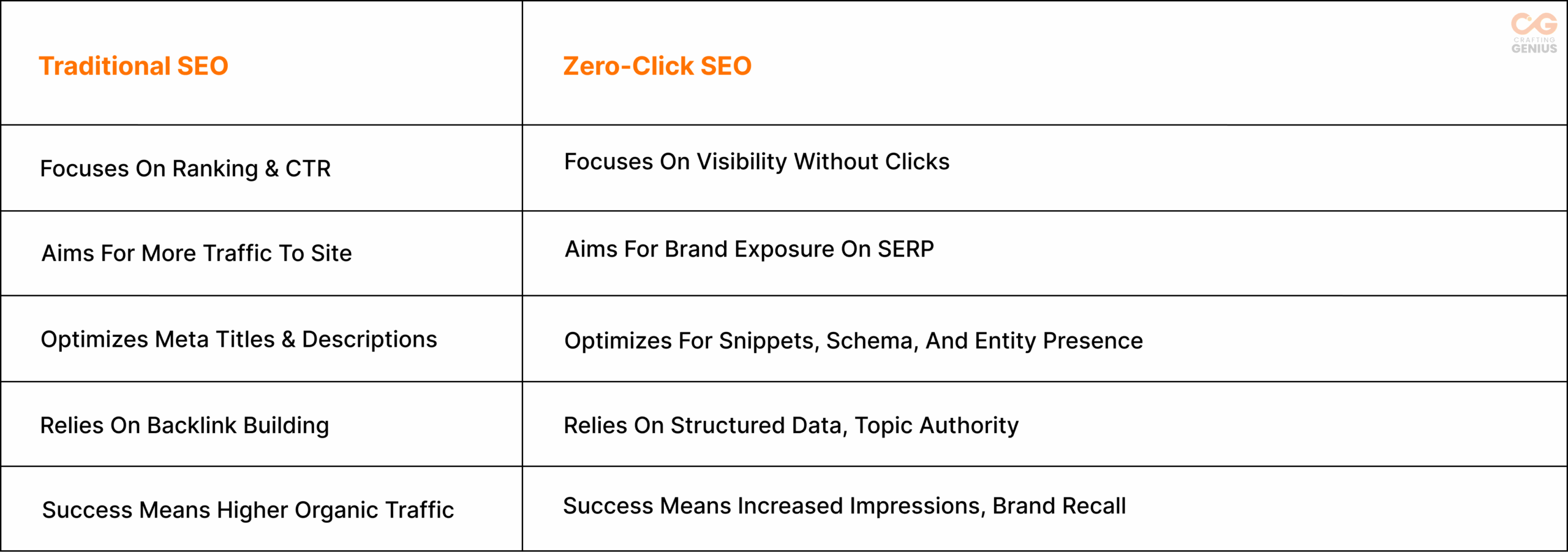
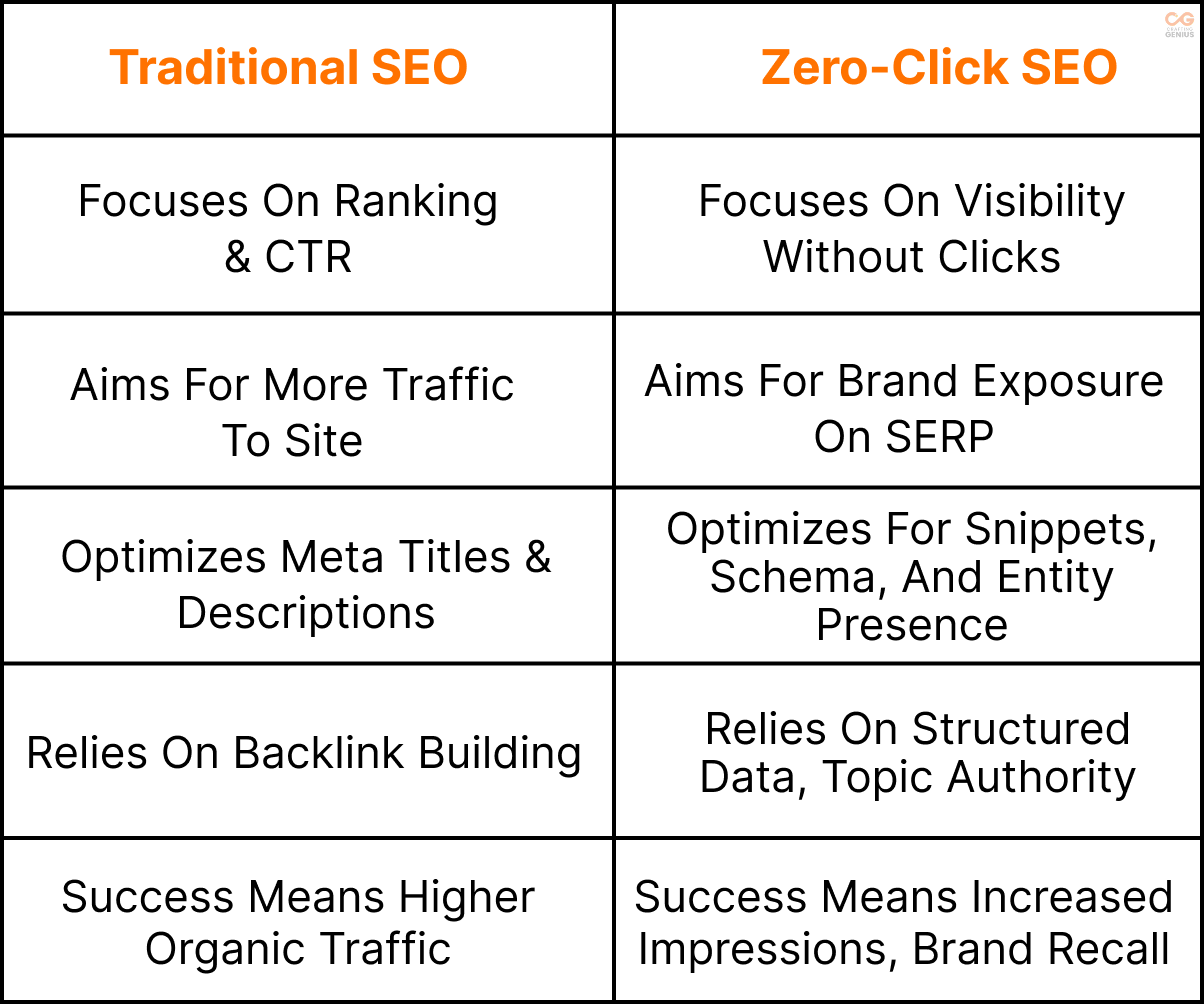
www.craftinggenius.in
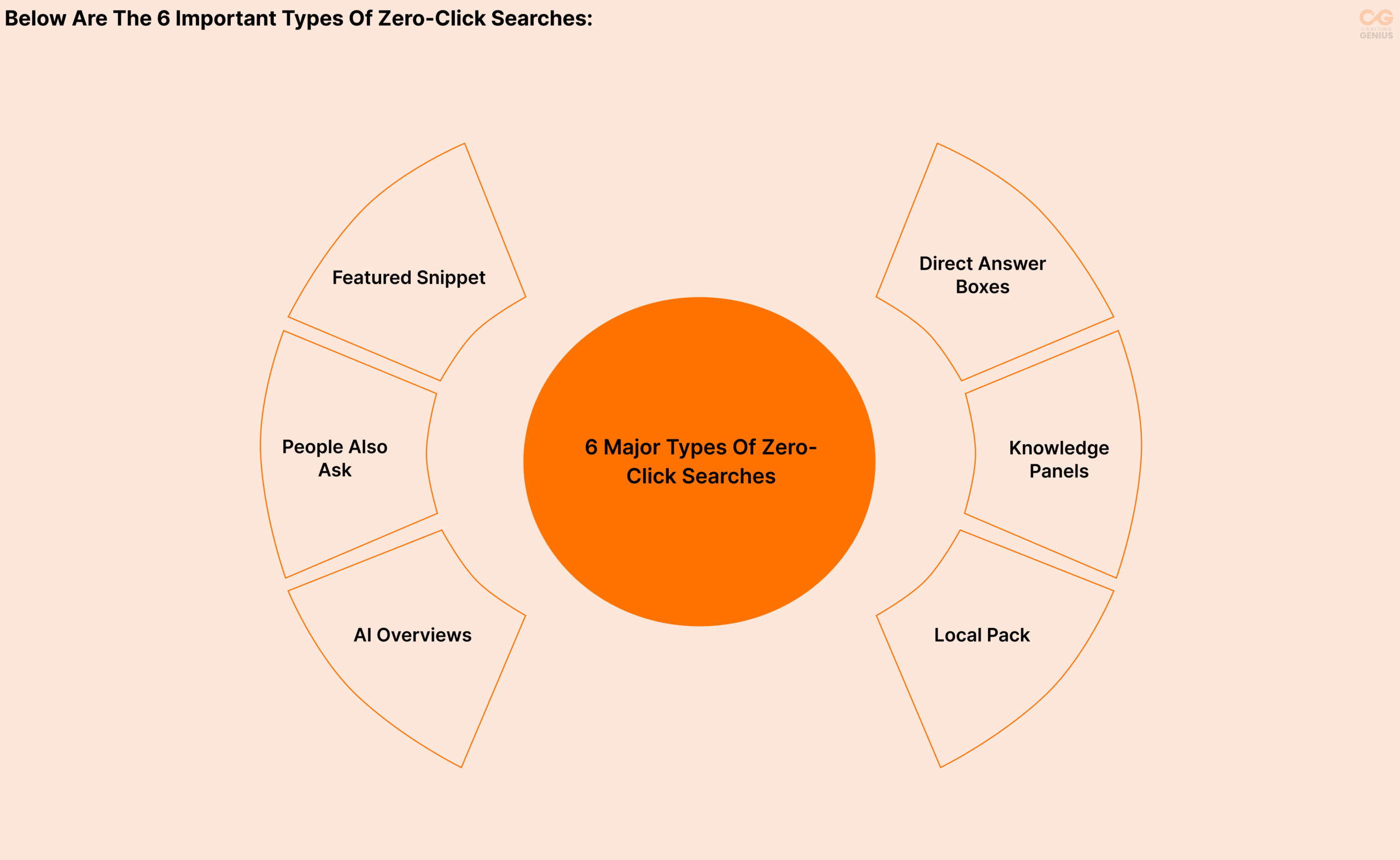
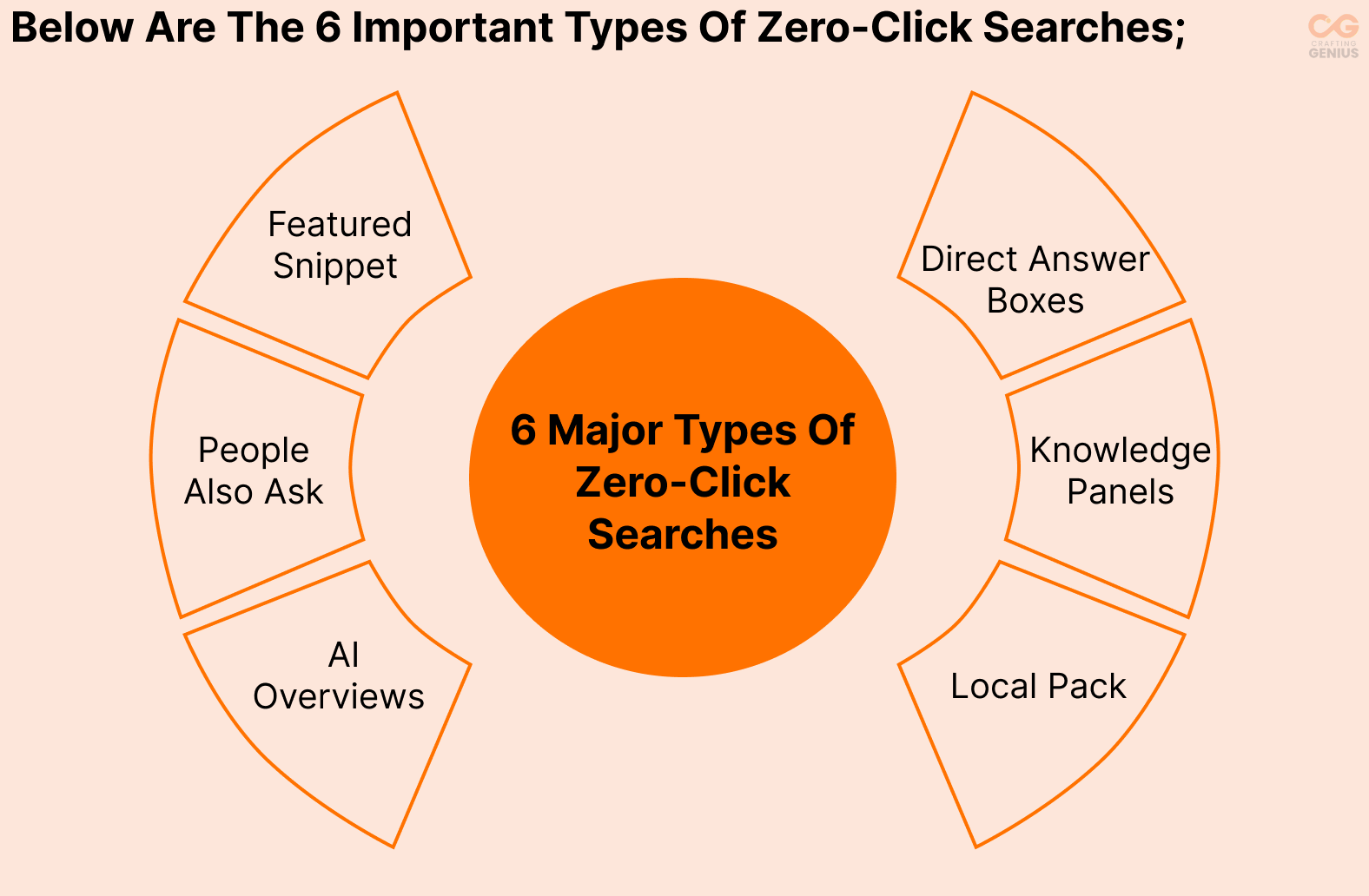
www.craftinggenius.in
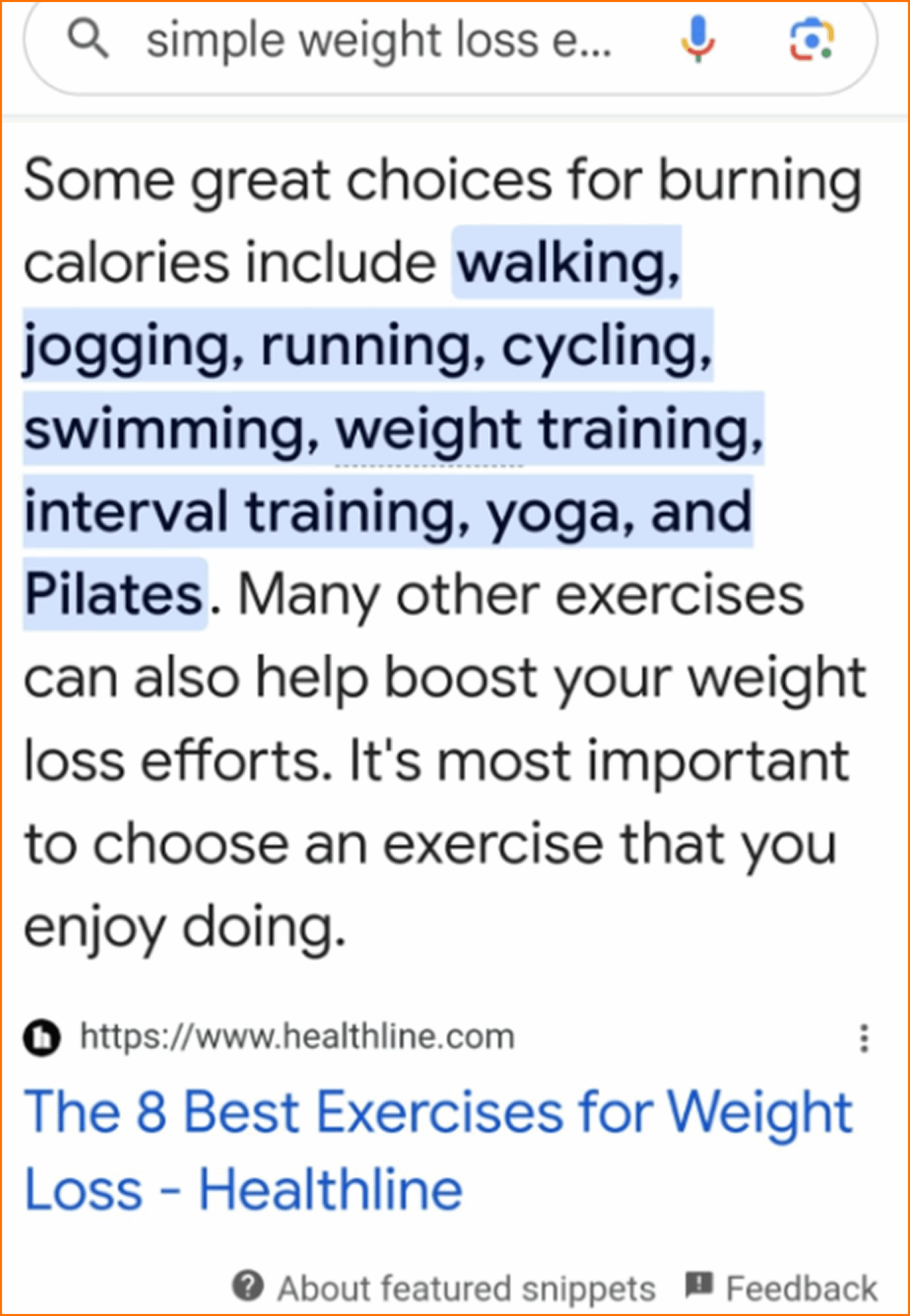
1) Featured Snippets
They are small direct answer boxes we get on Google for users’ queries. These boxes give brief answers and show the article links below the answer boxes.
These may be in the form of video snippets, table snippets, list snippets, and paragraph snippets.
For Example :
2) People Also Ask (PAA)
These are the frequently asked questions by users related to your query. And you will get direct answers by tapping on those questions with the attached link to the related article below. You will also get more related questions for the one you clicked on below the questions.
For Example :
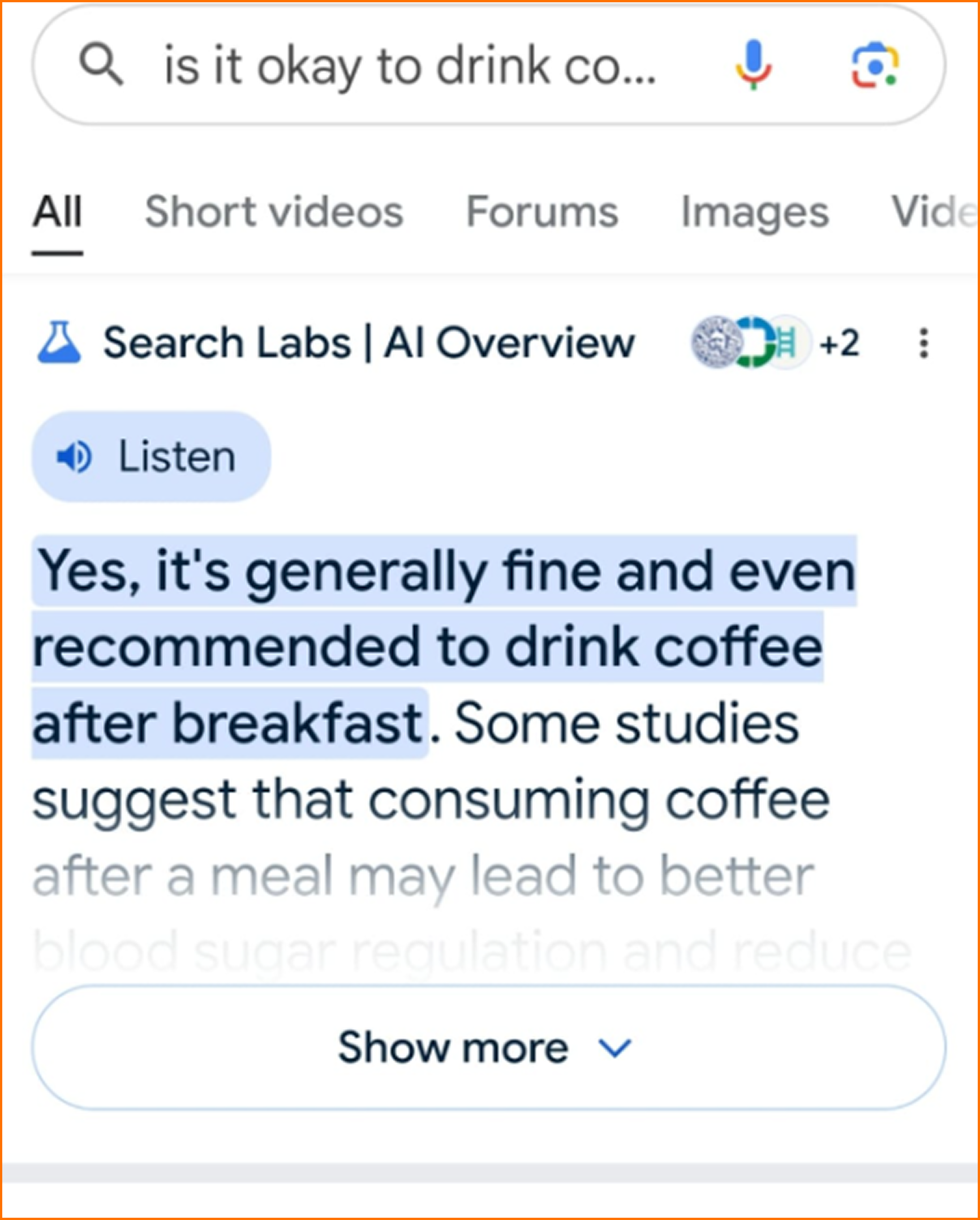
3) AI Overviews
AI overviews are generative AI summaries that appear at the top of Google search as answer boxes for your questions.
Google generates AI overviews by using generative AI models such as Gemini to generate brief and instant answers for complex user queries on top of Google searches.
It also uses natural language processing (NLP) to understand the context behind your queries.
For Example :
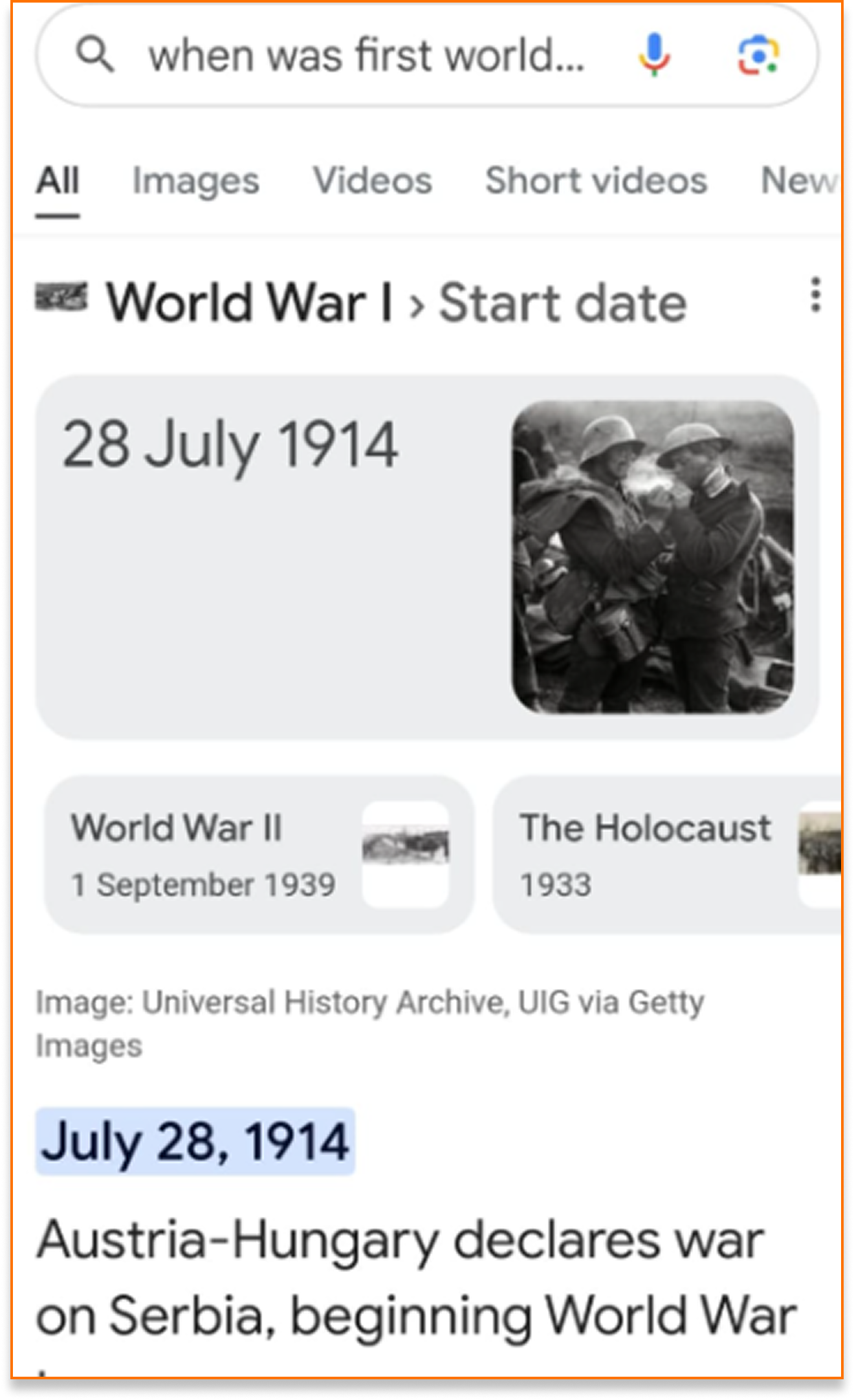
4) Direct Answer Boxes
Direct answer boxes are the brief and short versions of featured snippets. These answer boxes provide simple and short results that appear on top of Google searches for your straightforward questions. These are very prevalent in zero-click searches as users need direct answers without reading any long-form information.
For Example :
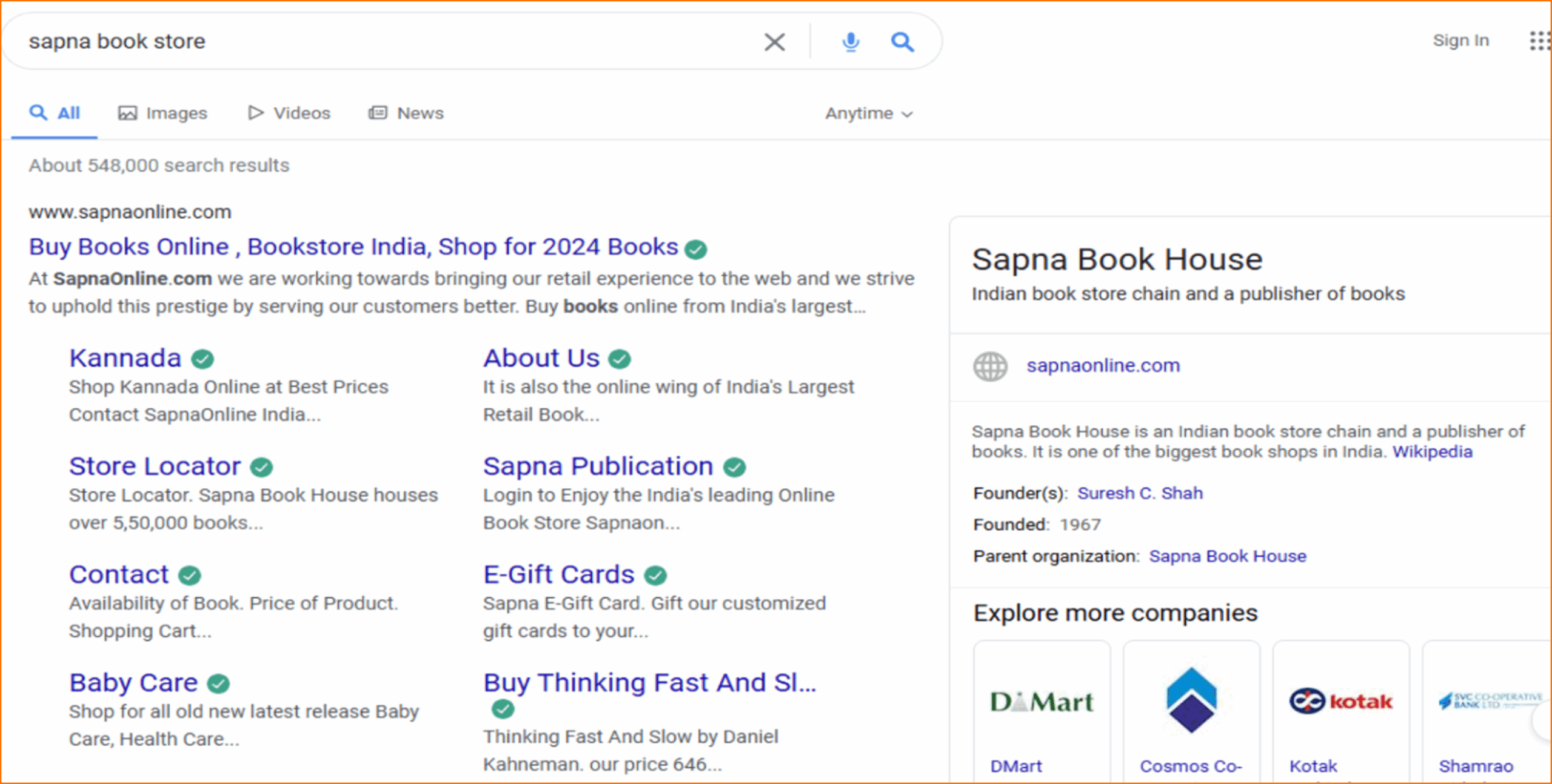
5) Knowledge Panels
And it is useful for users when they need only the basic information of a particular thing without clicking on any other links or Wikipedia, although the information is often driven by Wikipedia.
For Example :
6) Local Pack
Local packs or map packs are the immediate results which show lists of nearby shops, temples or businesses with some basic information like ratings, the distance, timings etc. And to know detailed information like their contact number, exact address or website you have to click on particular businesses.
For Example :

What affects User Behavior Due to Google’s increasing pressure on Instant Answers?
The increasing popularity of zero-click searches defines a radical change in user behavior for immediate solutions and rapid access to information:
- Convenience: Users can get immediate answers without the need to click on multiple websites.
- Efficiency: Direct answers will save time and effort, especially for mobile users.
- Trust: Google’s featured snippets and knowledge panels often come to be perceived as more authentic sources.
How is the SEO Environment Affecting due to Zero-Click Searches?
This increase in zero-click searches will see the effect of such change on SEO. This will require a change in strategy from generating leads to improving general visibility in SERPs:
Decreased Organic Traffic: With so many people getting their full-on answers directly on the SERP, clicking through to the site itself is becoming much rarer.
Increased Competition for Featured Snippets: The increasing value of featured snippets as prime search features on the SERP has intensified competition to claim these locations for organic visibility.
Importance of Structured Data: Schema markup and structured data implementations help search engines better understand the context of your content, therefore increasing your chances of appearing on the featured snippets and knowledge panels.
Focus on Local SEO: Localize search results even more when hands are busy fingering maps and local packs, searching directly on the SERP for businesses and services nearby becomes even more important.
Why Do Users Often Get Answers Without Clicking on Any Website?
Several important factors that explain the increasing reliance of users on zero-click search result responses include:
- For Instant Gratification and Convenience: Users require a dependable but rapid response, preferably without having to flip through pages upon pages. Google is showing results right there on the SERP, and it has worked on its SEO to provide direct answer features in demand.
- Growing Mobile and Voice Search: Both types of search give preference to direct, short answers. In particular, mobile users need faster answers due to the constraint of smaller screens as well as limited connectivity.
- Improved SERP Experience: Google has devoted itself to structured data markup and schema markup, which enable better appreciation of content context by Google and rich result display answering such queries without requiring clicks.
- Trust in Google’s Authority: Many users trust Google’s featured snippets and knowledge panels and thus consider them sufficient; therefore, there is a very low incentive to visit other websites.
- Local Search Requirements: The local SEO packs and Google Maps usually contain everything a user would want (address, phone, hours, reviews) on local queries, which means that he or she does not have to click.
- The emergence of AI-Powered Summary: Another feature that came into play in this constantly changing search feature is the availability of AI summaries and generative AI replies meant to give answers that are synthesized into succinct, digestible bites.
What Statistics Show the Growth and Importance of Zero-Click Searches?
These are statistics on the increasing importance of zero clicks in search:
- SCRUMDIGITAL reported that Mobile searches have witnessed an increased rate of zero-click results, with over 75% of searches ending up without a click.
- Data from Semrush Sensor 2024 reported that about 51.85% of all the searches resulted in People Also Ask (PAA) boxes.
- Featured snippets constitute an approximate 50% share of a search result on mobile screens, as per Semrush Blog.
- As per Safari Digital, 97% of users discover local businesses, it may be for directions, working hours, or websites, by using online searches (Google Business).
Why Zero-Click SEO Matters
- Importance of brand exposure even without direct clicks.
- How appearing in featured snippets builds authority.
- Impact on lead generation and conversions.
Zero-Click SEO: Why Should You Care If Users Don’t Click?
Zero-click SEO is now an critical consideration for brands wishing to support and extend their digital presence. Even though these search responses might lead to fewer direct visits to the website, these instant search results open up unique opportunities for enhancing brand exposure, building unshakeable brand authority, and deliberately influencing user behavior along the user journey.
How Do You Enhance Brand Exposure on the SERP Without Direct Clicks?
Showcasing your brand in major search features like the featured snippets and knowledge panels, and cutting-edge AI overviews, is essential for your products and services since potential customers are actively seeking answers. According to StoryChief, optimizing for zero-click SEO helps brands reach potential customers directly on the search page, dramatically uplifting brand impressions and recognition even without direct clicks on websites. That visibility gradually builds trust and familiarity, which are important for any long-term engagement and unwavering loyalty from consumers.
Does securing a spot in a featured snippet build brand authority and influence?
Featured snippets (at position zero) are perceived by users as the most authoritative answers, as Google chooses them very carefully to be the finest possible answer to particular user queries. Winning a featured snippet not only puts your content above normal organic ranking; it also clearly tells users that your brand is already accepted and trusted as an authority.
Consequently, this added authority contributes to user confidence, which then creates a robust encouragement for user engagement across all channels even if they don’t go to your site immediately. The effect is even more strengthened when a brand is seen in various SERP features at once, which becomes a potent tool to prove such indisputable credibility and authentic knowledge.
How Does Zero-Click SEO Result in Lead Generation and Conversion?
Zero-click searches may very well choke off immediate organic traffic and click-through rates (CTR), yet they simply do not affect overall lead generation and conversions whatsoever. Zero-click queries instead entirely changed how users interact with your brand.
Amplified visibility and authority straight on the SERP builds a strong bedrock of trust that, over time, helps cultivate better quality leads and further increases conversion rates.
Users encountering your brand’s name multiple times in zero-click-optimized search results are highly likely to search for your website or directly communicate with your business when demanding detailed information.
journey are the major challenges posed by zero-click searches. As these kinds of situations evolve, the a need to be creative in applying targeted SEO strategies to properly balance the provision of instant authoritative results against inducing a deeper level of user engagement. We can tackle this with a carefully crafted conversion pathway to enhance our chances of success.
Top Zero-Click SEO Strategies
So, below are the top zero-click SEO strategies to build brand authority;
A. Optimize for Featured Snippets
Types of featured snippets (paragraphs, lists, tables,videos).
How to structure content to rank for snippets.
Best practices: concise answers, bullet points, and schema markup.
Featured snippets are the most visible zero-click searches among all because they cover a wide range of informational queries and are more convenient for users to get instant answers.
Important Types of Featured Snippets are:
Paragraph: It gives an instant answer in the form of brief paragraphs at the top of a Google search.
For Example :
List: It answers the user queries in a list or points.
For Example :

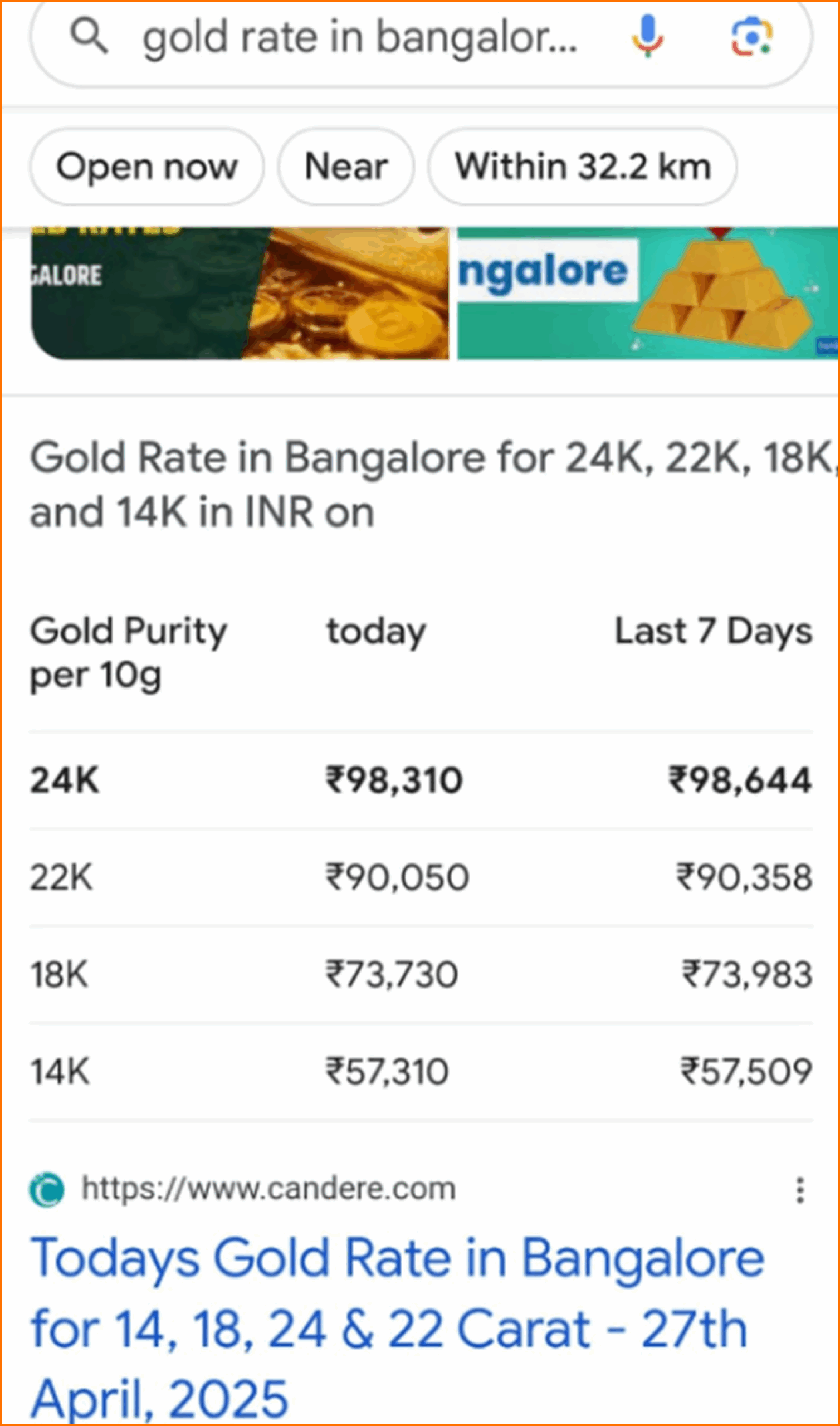
Table: This snippet provides answers in the table format for comparison-related queries.
For Example :
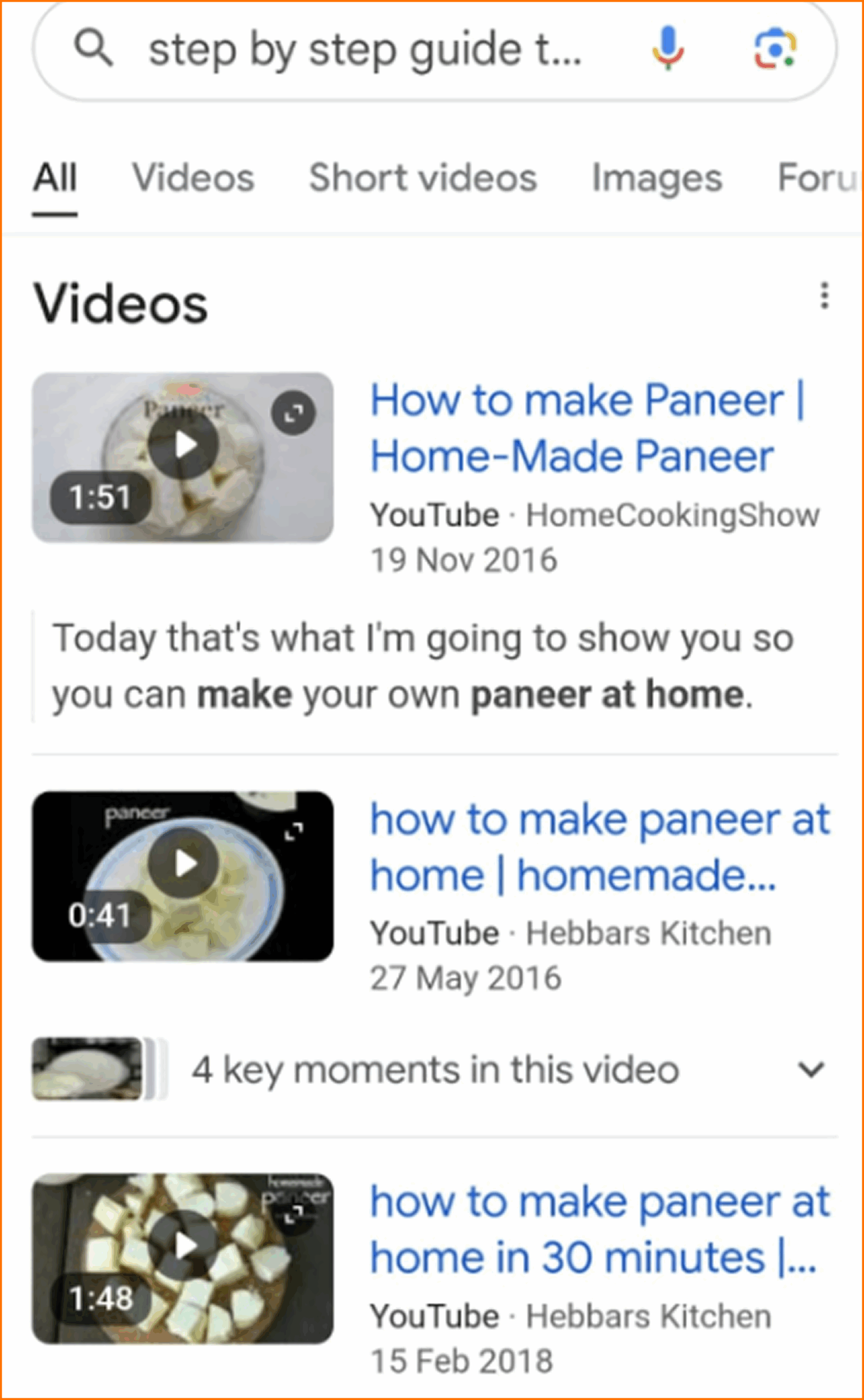
Video: This snippet provides the answer in video format for the proper guidance required for queries.
For Example :
Best ways to structure your content for snippet spot capture
- Beginning with Right, Concise Answers: Give a direct and brief answer to the query within the first 40-60 words in a clear, authoritative tone. A very good opening point is the “is” sentence for definitions.
- Use Question Forms for Headings: Indicate your content’s relevance by structuring the headings in question format.
- Exact Matches in Snippet Format: Study existing snippets formats (paragraph, list, or table) concerning your target keyword and structure that format in your content for more consistency.
- Make your Content Easy to scan: Use bullets, number lists, and short paragraphs for easy digestibility and extraction.
- Connectivity: Add structured data or schema markup to better Google’s understanding of your content’s context and hence improve the chances of being included in snippets.
Best Practices For Featured Snippet Domination:
Adhere to these best practices below for not just featuring but also retention of featured snippet positions:
High-Intent Queries: These are queries that indicate an immediate search for a factual answer by the user, such as definition comparisons and step-by-step tutorials.
Concise and Comprehensive: An answer should be so brief that it can fit snippet constraints while being an information holder, sufficing user intent.
Constantly Monitor and Improve: Keep tracking the performance of your snippet content over time while adjusting to the variation of SERP features and algorithmic updates to remain in a better position.
B. Leverage Google’s People Also Ask (PAA) Section
- How to identify PAA questions.
- Structuring content to provide direct answers.
- Expanding reach by addressing related queries.
Expand Your Scope and Authority by Utilizing the PAA Section of Google
Google’s People Also Ask (PAA) search feature provides more related questions and answers to the topic you are searching for. And you will get these questions below the featured snippets on Google’s SERPs.
For Example
If you search for “Email marketing strategy,” you will get the following PAA questions on Google search results;
- What is an email marketing strategy?
- What are the 5 T’s of email marketing?
And you will get answers for each question just by tapping on them, along with the article link below.
People Also Ask search feature of Google is becoming an important tool for SEO optimization for brands. Besides the boost in visibility, appearing in the PAA section also makes content an authoritative voice by addressing an audience’s questions directly.
How will you be able to find the most relevant PAA questions?
The first step towards ranking in the PAA box is thorough keyword and question research to uncover what the real, actual-specific queries your target audience is asking. Make use of tools like Google Search Console, AlsoAsked, AnswerThePublic, or dedicated PAA research tools to unearth commonly asked questions related to your niche.
- Analyze the PAA boxes for your primary keywords for frequently asked questions.
- Just click on PAA questions for deeper and related questions to expand your list.
- Prioritize questions that match your content expertise as well as the user intent.
This way, your content can resolve real-time user needs and also discover keywords whose potential has not yet been realized and is probably being ignored by the competition.
Structure Content that results in clear, precise answers:
Google is optimizing the content that has clear, short answers for PAA queries and has a range of about 40-60 words. For better content:
- Use question-oriented headings (H2 and H3) that exactly or closely mirror the PAA queries for which the section is designed.
- Open every new section with one clear, active, and non-jargoned answer.
- For readability and snippet eligibility, intact with bulleted or numbered lists.
- Use relevant images in your content that are well complementary within your content, with descriptive alt texts that can increase
engagement to your answers. - Add-on FAQ schema markup so that Google understands your content structure better, hence improving your chances of appearing in PAA.
A clear, well-structured answer increases your chances of getting into PAA and improves user experience, leading to more user engagement.
Use Schema Markup for Rich Results
- Importance of structured data for search visibility.
- Types of schema markup (FAQ, How-to, Review, Event, etc.).
- Tools to generate and validate schema markup.
Leverage schema markup for rich results and search visibility
Schema markup is a generally recognized code (most of the time in JSON-LD format), which you incorporate within the HTML of your website to allow search engines to better understand your content.
Schema Markup lets Google or any other search engine understand your content by providing a clear meaning of page elements so that such content can appear in rich search features such as featured snippets, Knowledge Panels, People Also Ask (PAA), Direct Answer Boxes, and AI Overviews.
In simple terms, Google uses schema markup to connect your content with the understanding of search engines, for making your site more eligible for rich results and zero-click searches.
Importance of Structured Data for SEO and Traffic Acquisition
- Visibility in Search: Adding a Schema Markup makes your content capable of appearing in enhanced SERP features such as review stars, event listings, product carousels, etc. These types of rich results stand out visually, therefore getting much higher user engagement and making your brand look much more authoritative.
- More CTR And Organic Traffic: Pages having schema markup yield as much as 82 percent higher CTR compared to pages without such markup, and users spend 1.5 times more time on pages with structured data, as per SIXTH CITY Marketing.
- Supports Zero-Click and High-Intent Queries: The rise of AI Overviews and zero-click searches means that schema markup serves to ensure that your content lands directly within search features, gaining you traffic even when users do not click through.
Below are the important steps to implement Schema Markup
1. Selecting the Right Type of Schema Markup:
Identify here the type of content you want to mark up, like FAQ, product, review, event, etc, and that should be based on your SEO strategies and what kind of search features you are planning to target.
2. Schema Markup Generation:
Use trustworthy tools to generate structured data in JSON-LD format, which is the preferred format for Google:
- Google’s Structured Data Markup Helper: User-friendly, supports multiple schema types.
- Merkle’s Schema Markup Generator: Extremely simplified interface to create many schema types.
- Schema.dev and TechnicalSEO.com: Provide templates and testing for more advanced needs.
- Schema Builder (Chrome Extension): Copy and edit schema from any website.
- Schema.org Generator: A full-fledged power tool, covering all schema.org types.
3. Insert Schema into Your Site:
Insert the code you generated into the <head> of your HTML page or the correct area for your CMS, or utilize schema integration provided by your CMS.
4. Validate and Test your Schema Markup:
Double-check structured data for errors, as well as all other relevant considerations for rich results, before publishing your work:
- Google Rich Results Test: To test eligibility for Google rich features and to see how it will look.
- Schema Markup Validator (schema.org): Tells if the markup is valid with all schema types not only of those Google supports.
- Structured Data Testing Tool: Point out errors and missing elements.
5. Checking and Optimizing:
Always check for errors in your schema from time to time, especially after making updates on your site. Monitor your visibility in search features with Google Search Console or by using third-party SEO tools.
All important types of schema markup and their SEO impact:
1. Article Schema
Enriches blogs and news pieces so that they can get enhanced rich snippets with author, date, and imagery. Serves to improve visibility and enhance trust in search results.
2. Product Schema
The key thing for e-commerce is the main product information, that is, the price, availability, and reviews given by customers. It eventually garners great chances for clicks and conversion through SERPs.
3. FAQ Schema
This makes FAQs available directly in the search results, making it rather spacious for your content and able to address the queries of users in advance. This results in low bounce rates and higher CTR.
4. Local Business Schema
This is significant for local SEO. It helps display the Address, Phone number, Hours, and location information as shown in Google Search and Maps, attracting customers close to the business.
5. Review Schema
Displays the number of star ratings and the number of reviews of your content. This makes the business trustworthy and raises click-through rates.
6. Breadcrumb Schema
Good for letting both search engines and human visitors know about the hierarchy of the pages. It improves site structure within SERPS, therefore improving user experiences.
7. How-To Schema
Makes exhaustive instructional information into clear, digestible steps along with images and objects. Excellent for instructional content because it builds your business visibility and puts you on an expert level.
8. Event Schema
Putting your event date, time, location, and ticket links directly into search makes it much easier to raise awareness and attendance.
Optimizing Schema Markup for Zero-Click SEO:
For maximizing your brand presence in zero-click searches where a user gets their answer directly in SERP itself without clicking on anything, schema markup is a core strategy.
Below are the tips for how you optimize schema markup for zero-click SEO:
- Target-Specific Search Features: Use schema types that power zero-click results, such as FAQ, How-to, Review, Event, Product, and Local Business schema. Such content is eligible for being crucial for zero-click visibility. Featured Snippets, People Also Ask, Knowledge Panels, Google Map packs, and Direct Answer Boxes
- User intent structure: Set your schema more for high-intent queries and evergreen content. For example, slogans that are FAQ or How-to type, address common questions and stepwise needs, thus increasing the chances for the content to be presented as a direct answer in SERP.
- Local Optimizing: For business, Local Business and Event schema helps to increase the chances of appearing in Google map packs or local panels, which are regular sources of zero-click outcomes.
- Validate and Monitor: One should always test their schemas using the Google Rich Results Test and Schema Markup Validator to assure eligibility for rich results. Google Search Console and SEO Tools may monitor the frequency of content instances in a zero-click feature so that modifications can be made to enhance the strategy further.
- Stay encouraged: With the continuous updating of search features and AI overview, keep reintroducing adaptable schema implementations to new features for increasing zero-click exposure.
Schema Markup as the Pillar of Modern SEO Strategies
According to SIXTH CITY Marketing, with only about 30% of the websites using schema markup-there’s an enormous opportunity to overtake competitors by adopting the usage of structured data. And 72.6% of first-page results have schema markup in them. So there are better chances of getting featured in rich results by utilising SEO strategies to add schema markup.
Best tools to generate schema markup
- Merkle schema markup generator: to generate product, FAQ, review, etc.
- Google structured data markup helper: This is to highlight the elements on a sample page to generate markup.
Best tools to validate schema markup
- Google rich results test: it tests your markup and shows errors, warnings, and previews.
- Schema.org validator: This is an official tool from Schema to validate any structured data.
D. Optimize Google My Business (GMB) for Local Searches
- Ensuring accurate and updated business details.
- Adding Q&A, posts, and images to improve engagement.
- Encouraging reviews and responding to customer queries.
Maximizing Local Visibility: Advanced Google My Business Optimization for 2025
In 2025, one can win the local SEO game only if one learns the process in-depth to optimize Google My Business, now known as Google Business Profile. The rising trend of zero-click searches and enhanced search features such as Knowledge Panels, Google Map packs, and Direct Answer Boxes demands the need to have an impeccable GMB profile for the goal of high-intent query capture, organic traffic boosting, and brand authority establishment without clicking on the link of the website.
Accuracy of Business Information: The Pillar of Local SEO
- Accurate and Consistent NAP: These days, your business name, address, and telephone number (collectively referred to as NAP) must be as accurate as they can possibly be, and consistent, too, on all portals. NAP consistency is a vital factor for local SEO to help Google display your business in all search features and map results.
- Detailed Business Description and Categories: Create a compelling business description that has maximum keywords naturally and showcases your unique selling proposition. Select the most relevant categories and attributes so that they can relate the profile with intent queries and enhance your position for Knowledge Panels and local searches.
- Using GMB’s attribute: To showcase your business’s uniqueness-such as accessibility, amenities, or service options, it gives you an advantage in attracting consumers in zero-click searches and AI Overviews.
Visual Content and Engagements: Encouraging User’s Action
- Real and Professional Images and Videos: Post professional photos and videos in high resolution that depict your brand, products, and services. Listings with engaging visuals have significantly more views and engagement, which can enhance your brand’s call to action and organic traffic.
- Regular GMB Posts: Post timely about your business updates, offers, and events to engage users through GMB posts. These posts appear in the Knowledge Panel and search results, complementing the evergreen content strategies, and they will keep your audience engaged.
- Leverage the Q&A section and Interact Directly: Manage the Q&A section by proactively answering general questions. Well-optimized content could also find itself appearing in the People Also Ask (PAA) results and expand possibilities of attracting featured Snippets, direct Answer Boxes, thus increasing your visibility through zero-click increase search results.
How Do Reviews Build Trust and Authority?
- Ask for and Respond to Reviews: Actively pursue reviews from happy customers, and respond thoughtfully to all feedback. Positive reviews signal trustworthiness to both users and Google, directly affecting your rankings in local search features and Knowledge Panels.
- AI and Automation Tools: With advanced tools, AI-enabled reviews and automatic replies to customers are saving time and maintaining the consistency of brand voice.
Structured Data & Schema Markup: Enhancing Search Functions
- Apply Local Business Schema: The addition of structured data markup (schema markup) on your site further connects your site with your GMB profile. Hence, it enhances your chances of being featured in Knowledge Panels, Google Map results, and several other prominent search features, driving zero-click searches and high-intent queries.
- Optimize for Voice and AI Search: These days, nearly 58% of voice searches are targeting local businesses, as per the statistics of Huddle Creative. By applying schema markup and targeting more long-tail, “near me” phrases in their queries, you would increase your impact on local SEO.
Performance Monitoring and Continuous Improvement
- Review GMB Insights: Monitoring GMB insights provides the most important indicators: profile views, search queries, customer actions, engagement with posts and media. Analytics on these parameters help refine your strategies for SEO and find opportunities to win more traffic.
- Stay updated with Changes in Google’s Guidelines: Google frequently makes changes in the Business Profile features as well as policy. Constant review of these changes ensures the effectiveness of your optimization efforts and complies with.
These advanced techniques of GMB optimization, like accurate business details, harnessing visuals and interactive content features, actively monitoring reviews, and implementing structured data, are highly able to catch high intent queries, appear in zero-click search features, and create a long-lasting brand authority in the local market.
E. Strengthen Brand Presence in Knowledge Panels
- How to get featured in knowledge panels.
- Importance of Wikipedia, Wikidata, and structured entity data.
- Claiming and optimizing Google Knowledge Graph listings.
Strengthening Brand Authority: Getting Featured in Google Knowledge Panels
Why Are Knowledge Panels Important?
- Knowledge Panels act as a reference to improve the brand authority and credibility for users (and Google) that the brand is notable and trustworthy.
- Scope in zero-click searches often decreases unique click-through rates (CTR) on classic organic results, but increases visibility and engagement for your brand when featured.
- It enhances user experience by providing instant, authentic answers, and the essence of modern SEO is all about user engagement.
How Are Knowledge Panels Produced by Google?
Producing a Google Knowledge Panel follows many steps that stem from the recognition and verification of entities, which are:
Recognizing Entities: Through a set of algorithms, the Google system identifies whether a search query refers to an entity such as a person, brand, organization, and so on.
Gathering Data: Google collates information from quality sources, with Wikipedia usually on top, though it takes data from other good sources (Wikidata, official websites, and some well-known third-party sites).
Verifying Information: Data will be cross-verified to check accuracy at a base of strong eminent and well-cited sources.
Panel Creation: Google auto-generates any knowledge panel that includes all of the displayed listing of a few primary facts, pictures, social place links, and other attributes.
The Critical Role of Wikipedia, Wikidata, and Structured Entity Data
Wikipedia—The Standard in Entity Proofs
- A Wikipedia account often represents the single most influential element when Google recognizes the entity to be authoritative and justifying based on the Knowledge Graph.
- Wikipedia gives Google many minute yet accurate articles that the company uses for the verification of the existence of an entity.
- Companies and individuals can better oblige with Wikipedia. Wikipedia has strict requirements for entities; both companies and individuals will need to follow them to qualify for a page.
Wikidata – Structured Data Backbone
- It is from Wikidata that structured, machine-readable data types of entities flow down to Google, which then fills the Knowledge Panels and populates the Knowledge Graph with it.
- Even if you cannot create or secure a page on Wikipedia, a rich Wikidata profile (with consistent, referenced data) can help Google recognize your entity.
- Unique IDs, relationships, and attributes will be really helpful to Google, as they will parse and trust those values from Wikidata easily.
Schema Markup and Structured Data:
- It helps you to communicate key facts of your website directly to Google by adding it to your website.
- Mark up all your organization logos, founder names, social profiles, contact details etc., by using Organization, LocalBusiness, or Person criteria schema.
- Validate your markup from time to time using the Rich Results Test from Google or the Structured Data Testing Tool to check for eligibility for inclusion in Knowledge Panels.
Step-by-Step Guide: How to Get Featured in a Knowledge Panel
1. Create a Strong, Consistent Digital Profile
- Create a deep, comprehensive “About” or entity home section on the website with accurate, up-to-date information by using related schema.
- Be consistent with name, address, and other information everywhere: website, Google Business Profile, and all major directories.
2. Ensure Authoritative Mentions or References
- Seek reputable news sites, industry directories, and associations for references.
- Approach relevant social media profiles and keep profiles active and consistent.
3. Use Wikipedia and Wikidata
- If possible, create a well-sourced Wikipedia page; otherwise, focus on getting a full-fledged, referenced Wikidata entry.
- Ensure that both profiles are kept up to date and align with your website and other digital signals.
4. Structure Your Data- Implement and Optimize
- Use JSON-LD or Microdata schema markup for the description of brand attributes, products, and services.
- Add links to social profiles, awards, and other recognitions.
5. Take Charge of and Maintain Your Knowledge Panel
- Once the panel shows, claim it and verify it with Google to enable editing and keep that information accurate.
- Update your entity home, Wikipedia/Wikidata entries, and structured data along with your brand evolution.
Claiming and Optimizing Your Google Knowledge Graph Listing
Google Knowledge Graph is a back-end database for the Knowledge Panels and other rich search features. Optimizing your presence in the Knowledge Graph means:
- Consistency in data: The brand information must be organized and consistent. The schema markup will help with this across all platforms.
- Authority and Trust Signals: Build notability via the legitimate methods of Wikipedia, Wikidata, and other credible sources.
- Continuous Optimization: Use tools like Google’s Rich Results Test, Brand monitoring platforms (Moz, SEMrush), and the Knowledge Graph API to track your entity’s visibility and make timely updates.
F. Improve Voice Search Optimization
- Why voice search is crucial for zero-click SEO.
- Writing content in conversational, question-based formats.
- Focusing on long-tail and natural language queries.
Voice Search Optimization: Winning Zero-Click Traffic with Conversational Content
Why Voice Search Is a Game-Changer for Zero-Click SEO
One may say that voice search is a threshold-breaking zone of zero-click SEO. Voice search fundamentally changes the way users engage with search engines.
Over 20.5% of internet users engage with their voice assistants like Google Assistant, Siri, and Alexa as per Yaguara statistics 2025. Unlike traditional search, voice queries tend to be more conversational, longer, and cast in the form of direct questions (such as ‘How do I deal with hair-fall?’ instead of ‘hair-fall solutions’). This transition is pertinent from a zero-click SEO perspective since voice assistants prefer to read out answers directly from the SERP, thus giving the user no need to click through to any website.
Importance of voice searches for zero-click SEO:
Dominance of Direct Answers: Voice assistants offer direct answers to questions and they are often extracted from Featured Snippets, Direct Answer Boxes, and FAQ content-so your content would need to be optimized to catch them.
Natural Language and Intent: Voice queries reflect real-life spoken queries and intents, and thus, brands must match user language and concentrate on high-intent queries.
Mobile and Localized: Most voice searches are conducted using mobile devices, and are localized in nature (like “Where’s the nearest pharmacy?”), and thereby strongly connect voice optimization with Local SEO and user interaction.
Formulate Conversational, Question-Based Content for Voice Search
Write More Like You Speak: Own Natural Language
Content that mimics natural conversations has become necessary with voice search optimization today. It includes:
- Using simple, approachable language and avoiding any technical terms.
- Keeping sentences and paragraphs relatively short so that they’re easier for users to comprehend correctly, especially on mobile searches where most voice searches happen.
- An active voice would make the content more direct and engaging.
Example:
Instead of “The top benefits of regular exercise include”, use “What are the benefits of regular exercise? ” and answer directly.
Use Long-Tail keywords and Question-Based Headlines
Longer and more specific searches are typically used in a voice search as compared to a typed query. So, here are some key ways to target:
- Use long keywords that represent natural speech patterns, for example, “What’s the best way to remove coffee stains from a white shirt?”.
- Fill content – especially headings and FAQ sections – in question based phrases (e.g., how-to, what is, where can I find).
- Explore keyword tools for voice search queries that provide insights into real user questions and conversational phrases.
Answer Questions Directly and Succinctly
This is highly valuable in voice search features for framing content that targets common questions in a simplified, stepwise format.
- Use FAQ sections, bullet points, and short paragraphs so that search engines can easily read and extract relevant answers.
- Focus on user intent to determine what the actual question the user is looking forward to and deliver value right away.
Leveraging NLP and AI for Voice Search Optimization
The Role of Natural Language Processing (NLP)
These days, NLP has developed as one of the core technologies that search engines use to evaluate user queries and equate them with the most relevant sources. In essence, it is the technology that Google uses to interpret context, intent, and the nature of relationships between entities and users, and it is a building block for ranking in voice search or any features appearing as zero-click results.
- NLP helps your content align with user intent: If you build your content around its natural language use and topic relevance, it will enhance the chances of getting selected for voice responses and Featured Snippets.
- AI Tools: Use AI and NLP-based tools to evaluate various ways the audience speaks, understand the trending conversational keywords, and optimize your article for search engines, as well as an audience that truly uses it.
Best Practices for Voice Search Optimization
- Mobile-first design: Given that most voice searches happen on smartphones, your website should ideally load fast and be easy to navigate on mobile.
- Local SEO integration: Optimize your Google My Business profile and Local Business schema for capturing local, high-intent voice queries.
- Target Featured Snippets: Ensure your content stands as the best for winning Featured Snippets and Direct Answer Boxes, as these are often the origins of voice assistant responses.
- Continuous monitoring: Monitor the queries producing voice search traffic and update your content according to trends based on user interaction and queries.
Measuring Success in Zero-Click SEO
- Tracking SERP rankings and snippet appearances.
- Using Google Search Console & analytics tools.
- Monitoring engagement and brand impressions.
These days, success metrics in the content writing and creation world are varying from organic traffic and call to action (CTA) to brand exposure in zero-click searches.
Use tools like Ahrefs and SEMrush to monitor whether your website content is ranking for featured snippets, PAA, knowledge panels, or any other zero-click searches.
The metrics you need to use to track your website performance are:
1. Number of different keywords you used in the content
For how many different types of keywords Google SERP ranked your content ( like for featured snippets, PAA, direct answer boxes, etc)
Example:
If Google ranks your site in a Featured Snippet for “best motivational books” and in a PAA for “top motivational books for 2025,” it means these two keywords are triggering for rich results.
2. The frequency of snippet appearances on Google SERPs
It measures how often your content appears inside zero-click searches each time the user searches, and this is measured for days, weeks, or months.
Example:
If your article is related to “SEO Strategies” appearing in a Featured Snippet 600 times in a particular month, then it means your frequency of snippet appearances is 600 for the article for that month.
3. Positions of your websites on Google SERPs (like on the top of knowledge panels)
It shows where your brand content is appearing in search engine result pages like your website is showing at the top of all sites (Position 0), third inside the PAA box or second in the list of Google maps.
Tools to use to monitor the progress of your sites in zero-click searches.
1) Google Search Console: It monitors how often your websites appear on Google SERPs, even though they didn’t click on the website link.
Businesses should focus more on total impressions than clicks because that indicates the strong brand visibility and trust in zero-click searches. And also observe high-intent queries which are bringing more impressions to your content or website.
2) Google Analytics 4 (GA4): It focuses more on user engagement than traditional SEO, like organic traffic. It monitors depth of scrolling, engaged sessions, and event interactions to highlight deeper business interactions and brand visibility.
As trends are changing, brand exposure is becoming crucial to succeed in the field of content writing and creation.
Success Metrics You Should Focus On To Achieve Modern SEO Strategies Are:
- Monitor search impressions from Google search results (both branded and non-branded queries) to observe the brand search visibility.
- Brands should focus on local engagement metrics from Google My Business (GMB), like call clicks, Q&A views, or requests for directions.
- Even if your brand is not getting direct clicks, people may talk about your brand online (blogs, forums or social media). You can track brand mentions through social listening tools (like Brand24 or Sprout Social).
Work on maintaining strong visibility for high-intent queries to build brand authority over time, because that leads to gradual increases in organic traffic through direct contacts or searches.
For example: A beauty parlour that appears consistently in Google Maps listings for “beauty parlours near me” will eventually build brand presence in customers mind and later people might search by using their brand name itself.
Conclusion:
- Recap the key zero-click SEO strategies.
- Encourage businesses to adapt their SEO approach for Google’s evolving landscape.
- Call to action: Invite readers to implement these strategies and share their experiences.
Modern businesses need to pay more attention to zero-click search strategies for their success. A few of the important strategies to be considered by businesses include making sure their content is optimized for featured snippets that provide short, precise, and structured answers; the next should be structuring the content systematically using schema markup so that Google SERPs can rank your sites; enhancing local SEO through optimizing Google Business Profile by furnishing every detail about your business; enhancing content by incorporating long-tail, local, and question keywords; adding quality original content in the form of high-quality images and videos.
Working with all of these strategies will ensure visibility for brands in zero-click search results even if users do not click on the website, thus contributing to SEO and user engagement. With constant developments in algorithms for better user-specific search, it is important that all businesses need to be aware of such changes to modify their strategies. Sole dependence on the traditional method of organic traffic or click-based promotion is no longer considered sufficient and is rapidly becoming irrelevant to business goals.
By doing so, brands adopting zero-click SEO strategies are even ensuring that they are on the path to upgrading their business’s digital reach and brand authority in the online world. Being constantly vigilant provides a proactive mechanism for businesses to maintain visibility, competitiveness, and alignment with the recent features of Google search. At the end of the day, the success of marketers and businesses depends massively on their agility to adapt to the evolution of strategies regarding AI-based modernization.
This is the high time to upgrade to modern SEO techniques. Start optimizing your content for zero-click results and help your brand stay ahead in evolving SEO strategies. We encourage you to put these into practice in your businesses and let us know if they were a success or a roadblock. Your feedback can inspire and inform many others working on this important shift in digital marketing.
Takeaway
Want to Own Google’s SERP Without Chasing Clicks?
Grab this free checklist and start optimizing your pages for zero-click visibility today — featured snippets, FAQs, AI summaries, and more.